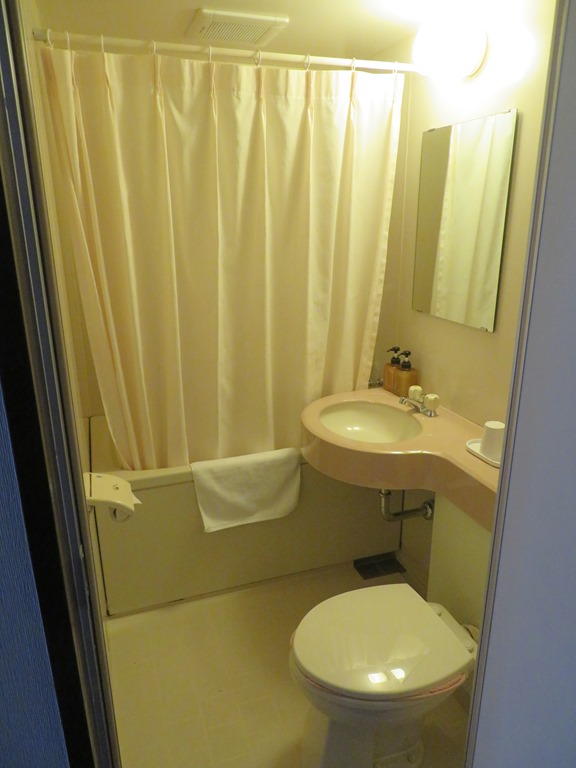
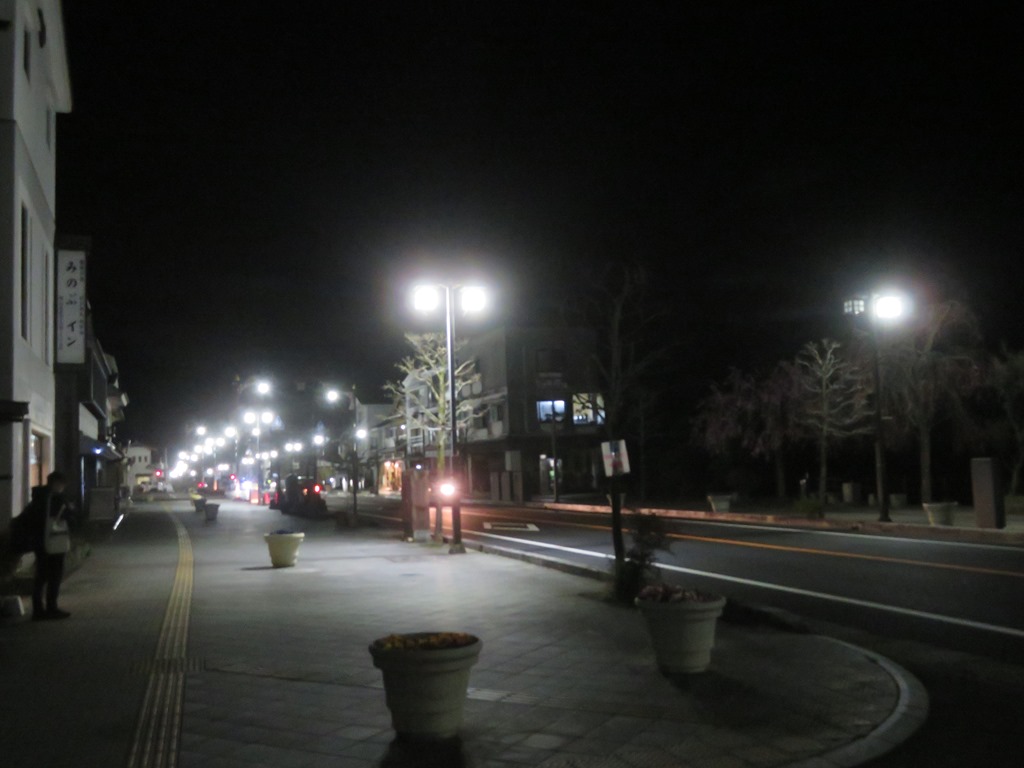
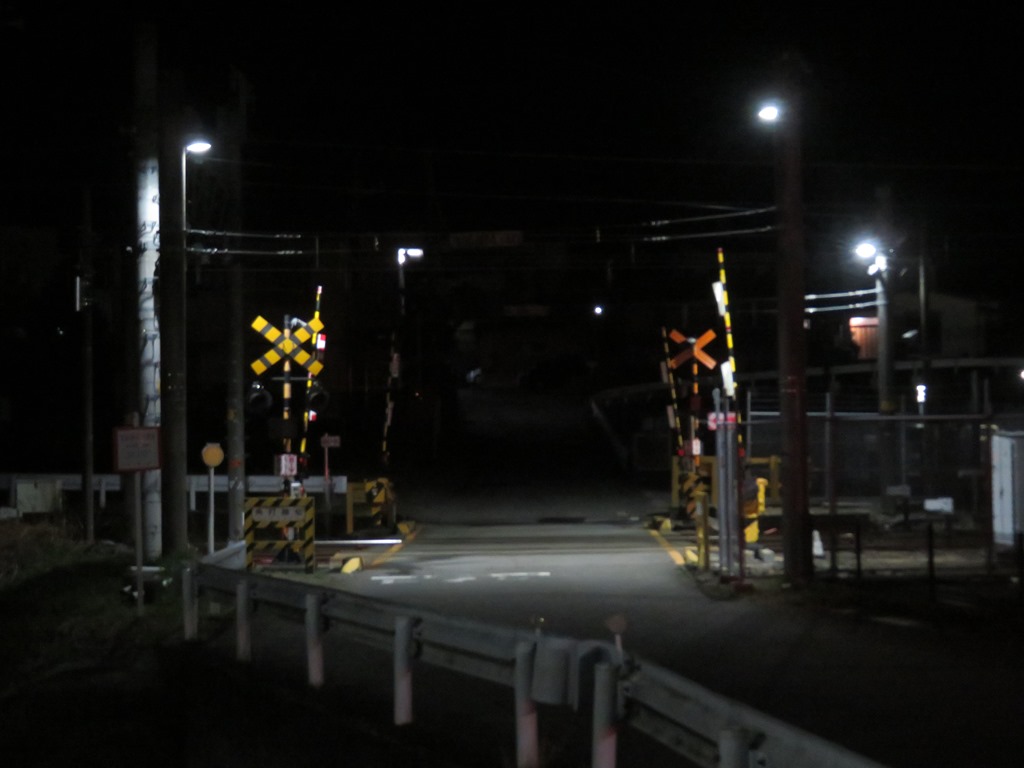
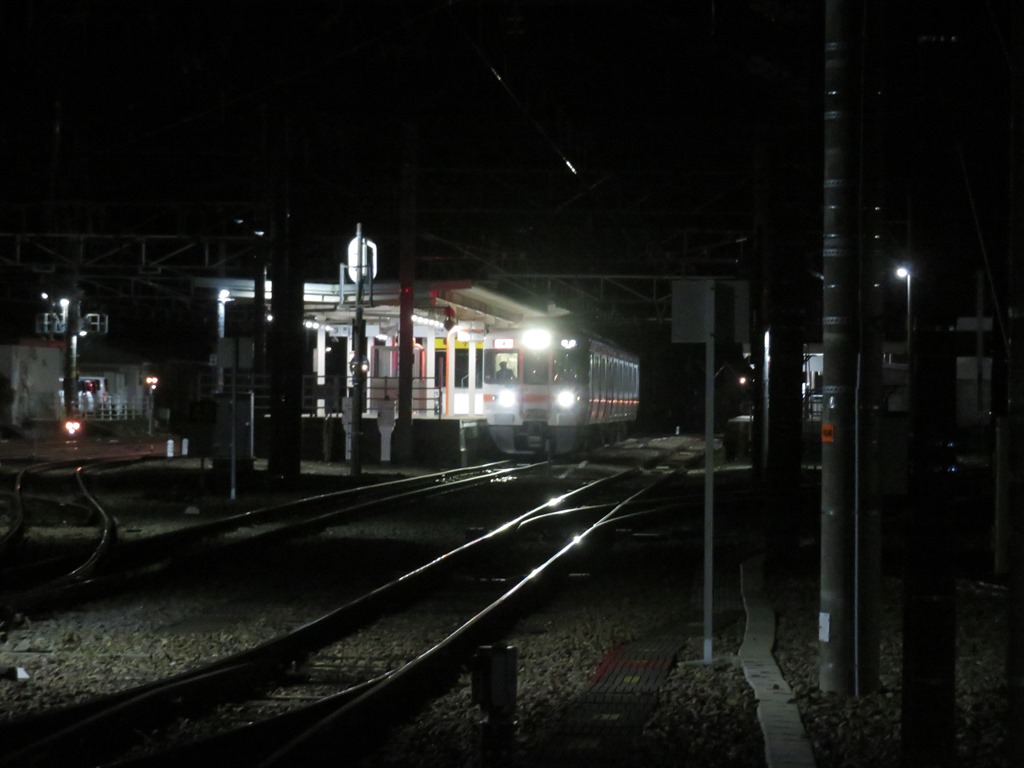
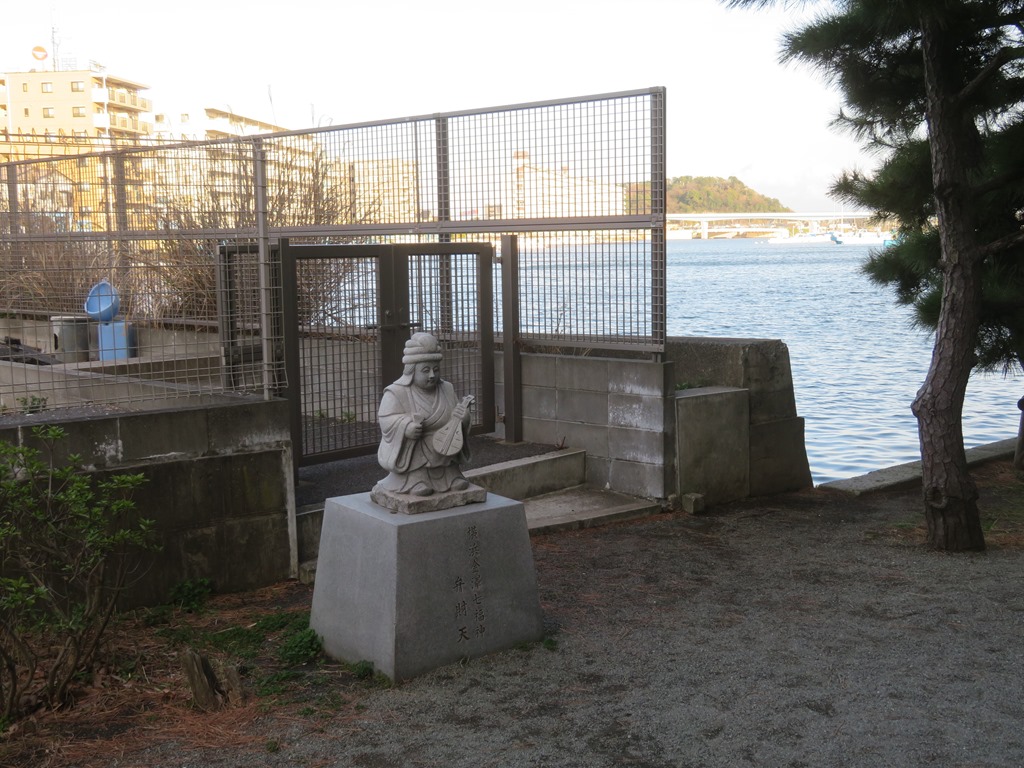
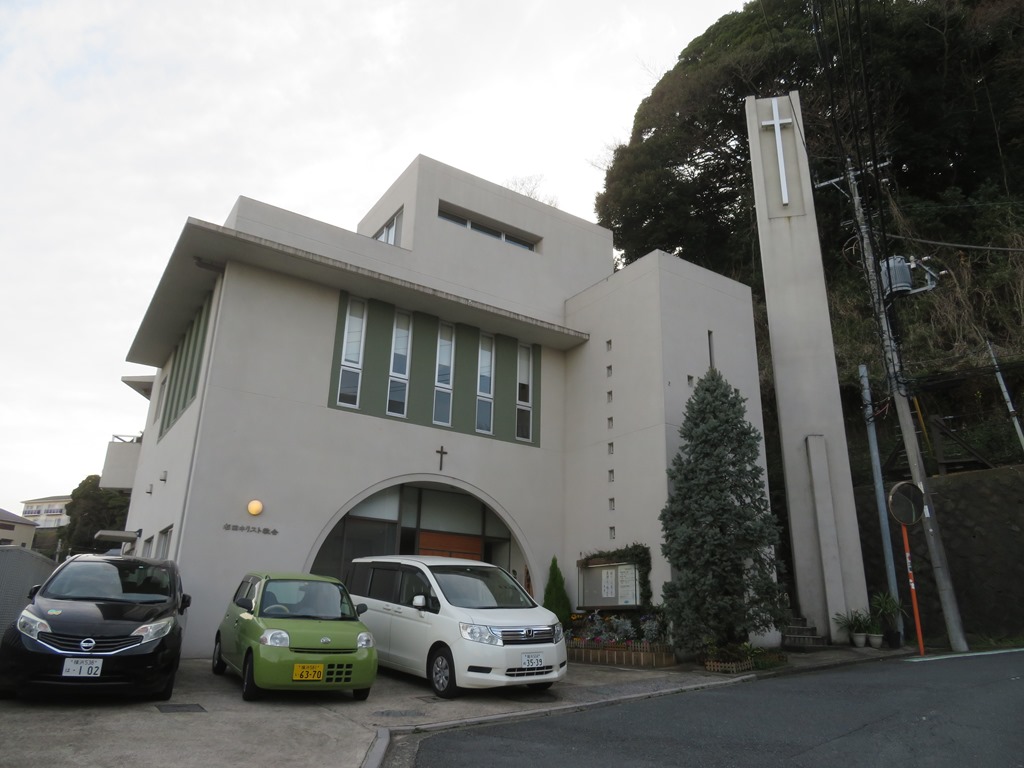
Yesterday’s post now has photos. In exchange, this post lacks them. Perhaps tomorrow is when I’ll get caught up, haha.
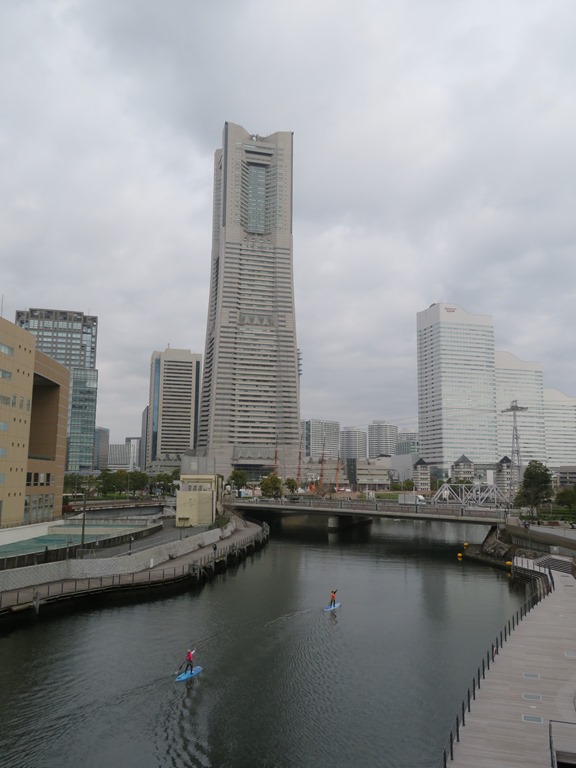
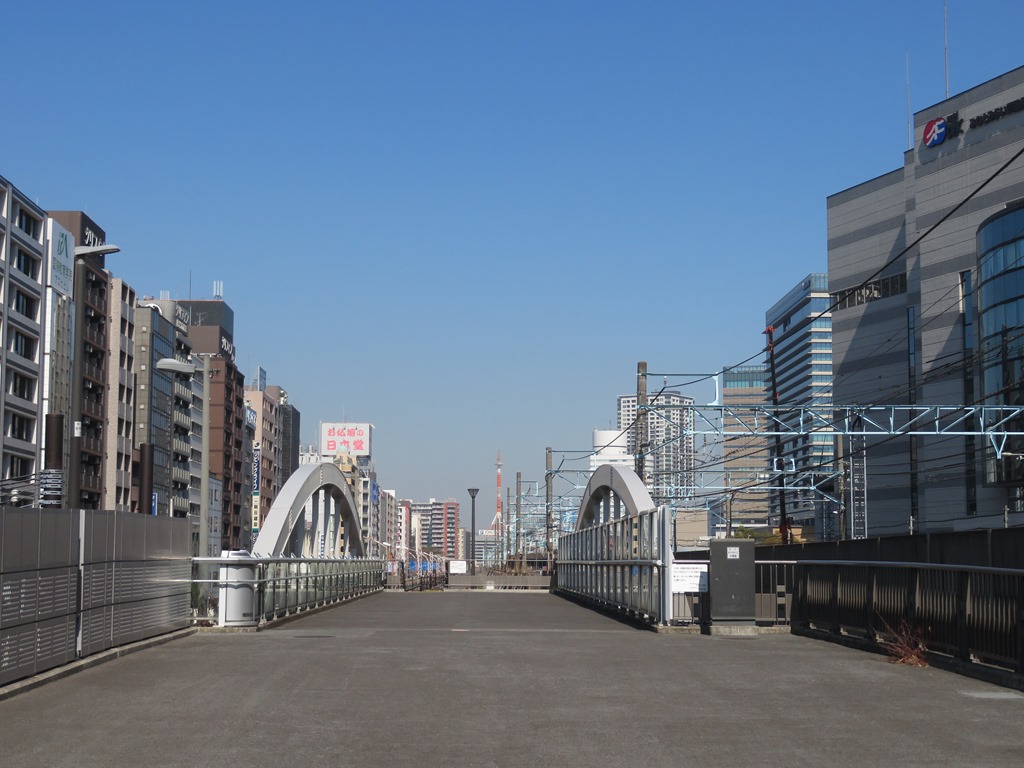
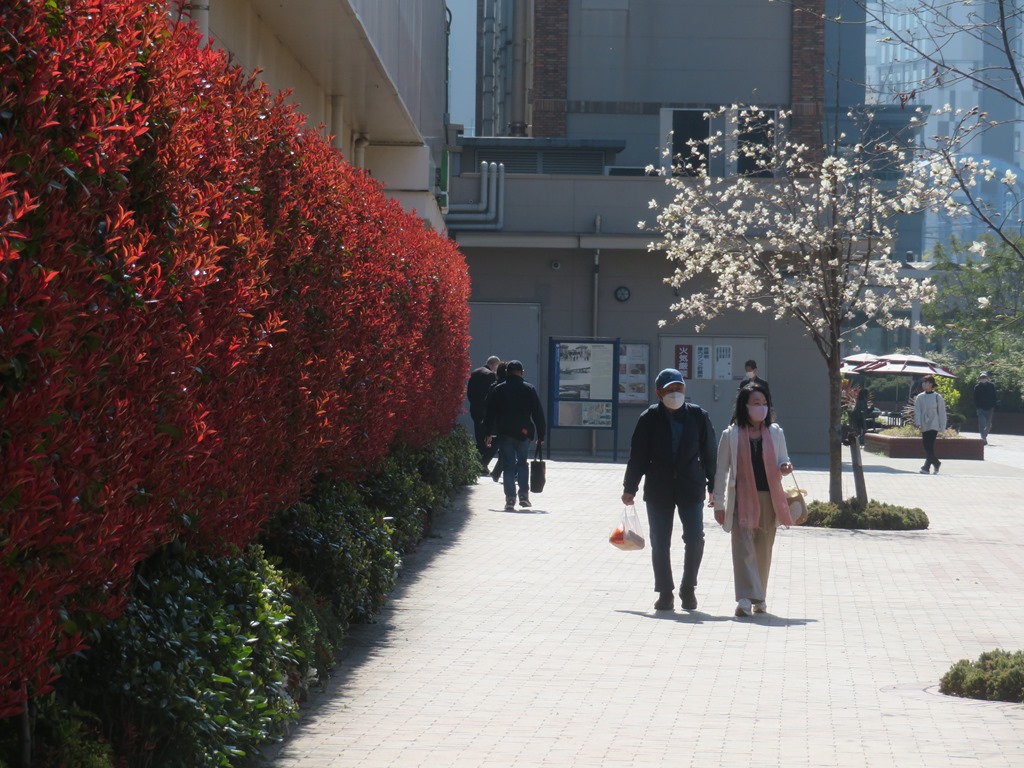
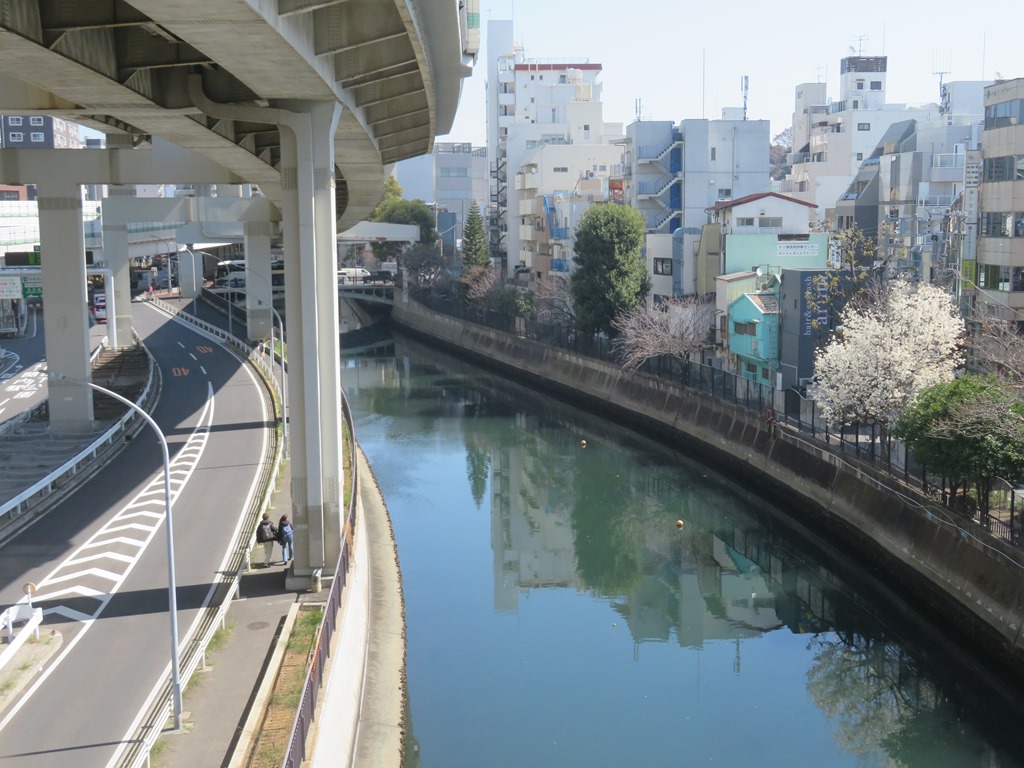
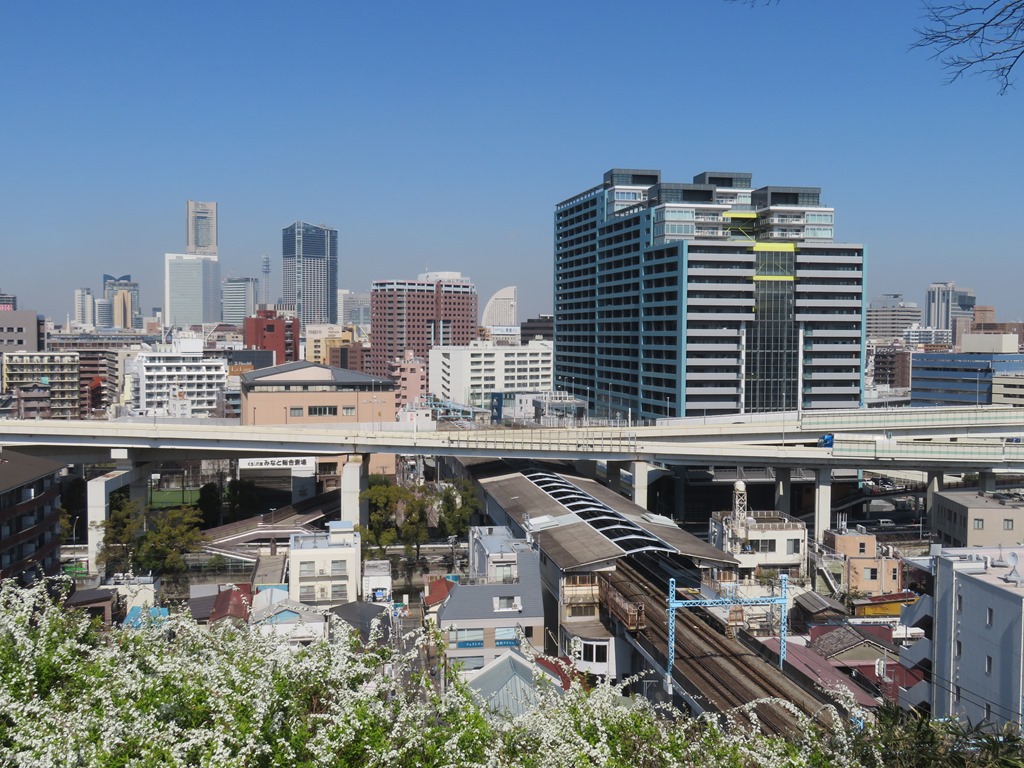
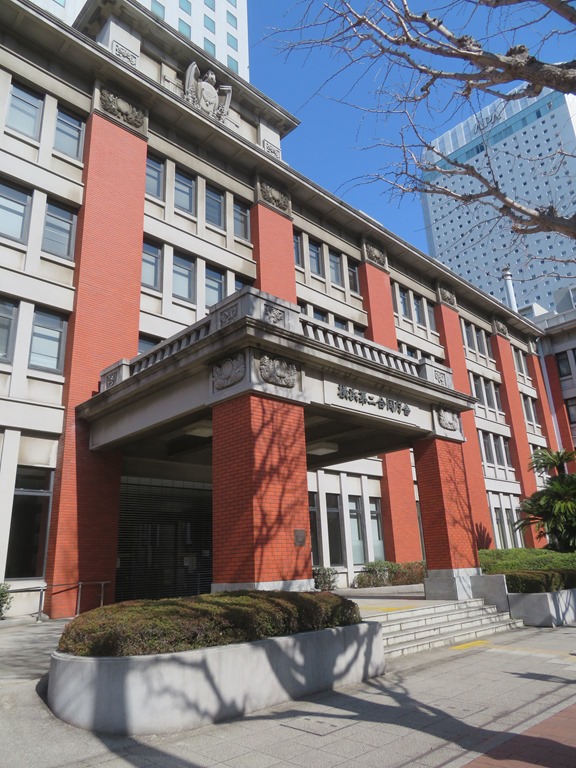
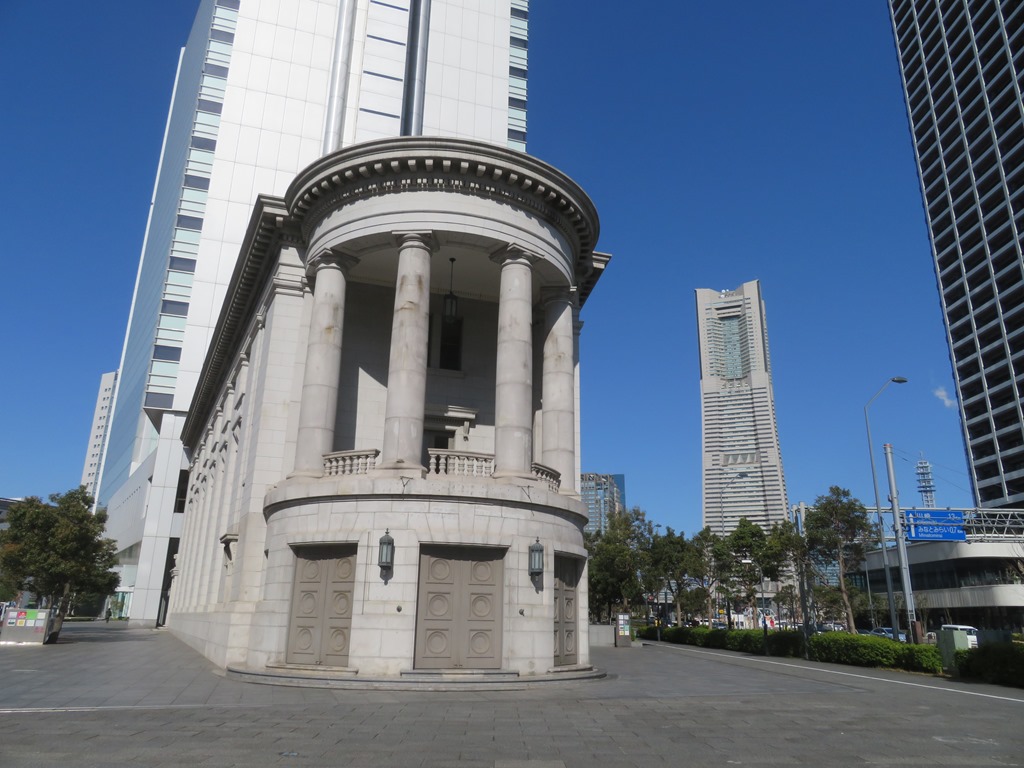
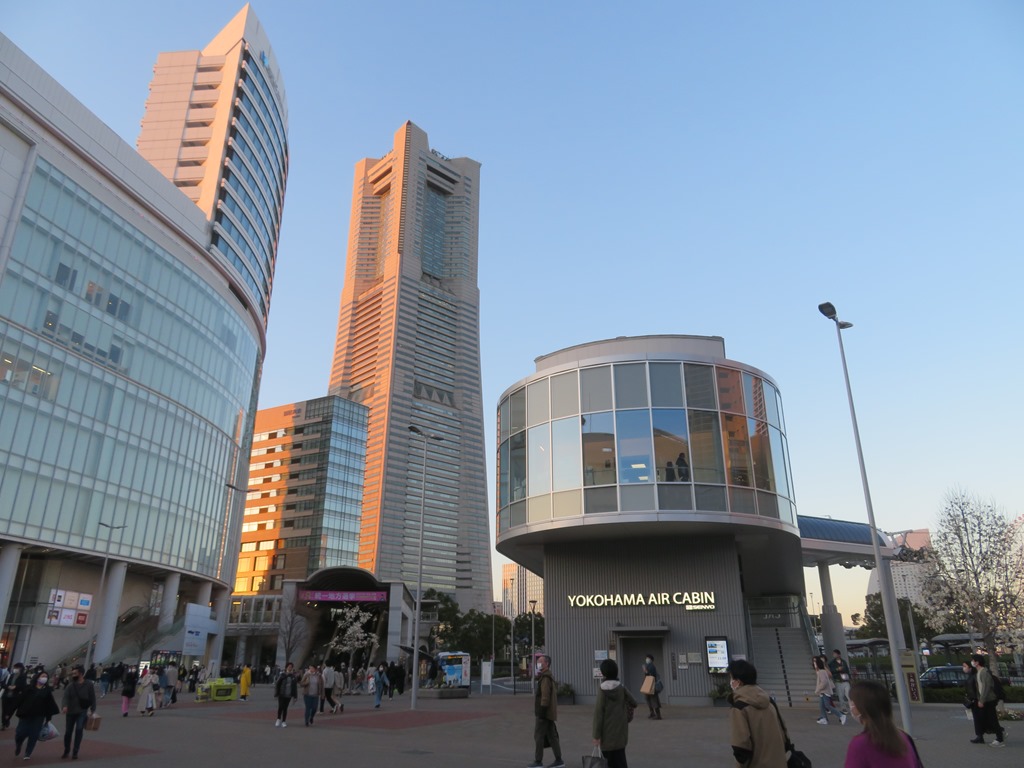
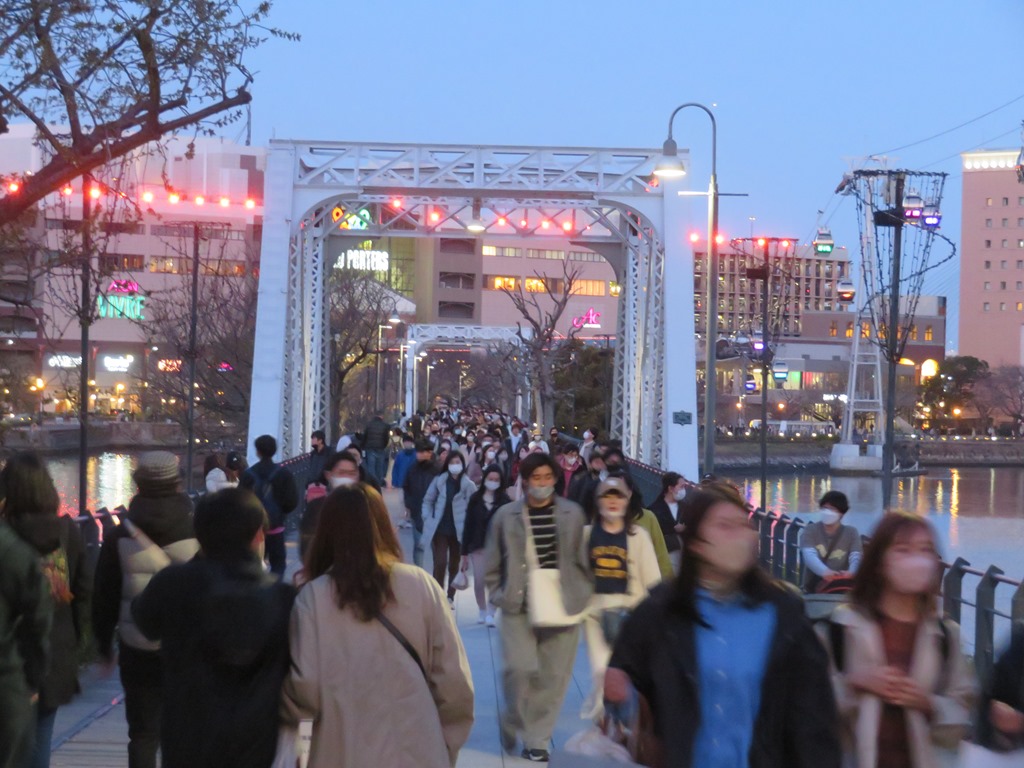
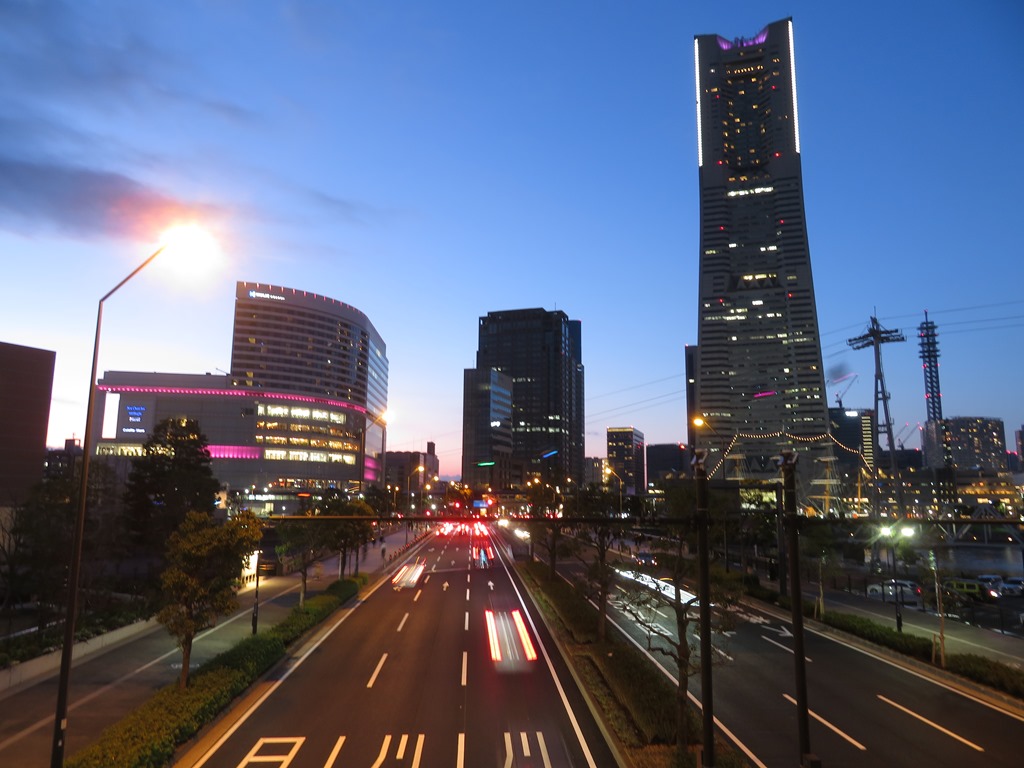
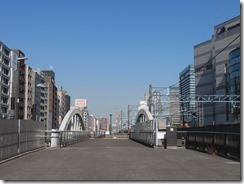
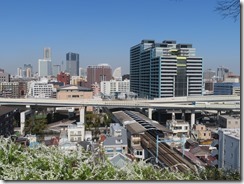
I’ve noticed that Japan really likes its pedestrian overpasses. And underpasses too, but let’s start with overpasses. I mean, the simple ones that just cross a road or an intersection abound everywhere, but outside stations you can often find whole networks that span multiple blocks, and connect directly to adjacent buildings. (Unfortunately, it’s even odds whether there’ll be any way to access it from the ground besides stairs.) Here at Sakuragicho Station, there’s an overpass that starts from just outside the station (doesn’t connect directly to the station, like many do), bounds a major intersection, skirts the Hotel Washington, crosses a river, and connects up with the Yokohama City Hall… and then stops, on the other side of a major road from my hotel. If it just crossed that road, I’d be effectively on the same block, but instead I have to cross at the surface crossing. And so far, I’ve only just missed those lights every single time.
So, Sakuragicho Station, is one of Japan’s oldest, part of Japan’s very first train line from Shinagawa to Yokohama, opening on June 12th 1872, as… Yokohama Station. However, after it had been in operation for a number of years, it was decided that the location wasn’t really convenient for being a major transport hub as envisioned, so it was moved to near the location of modern-day Takashimacho Station on the subway line (roughly midway between its starting location and its modern-day location). When the station was levelled by the Great Kanto Earthquake of 1923, they took the opportunity to move it to where it is today. Point is, when Sakuragicho stopped being Yokohama in 1915, it became Sakuragicho. It used to also be the terminus of the Tokyu Toyoko Line, but in 2004, the line was shifted at Yokohama to allow trains to continue onto the new Minatomirai subway.
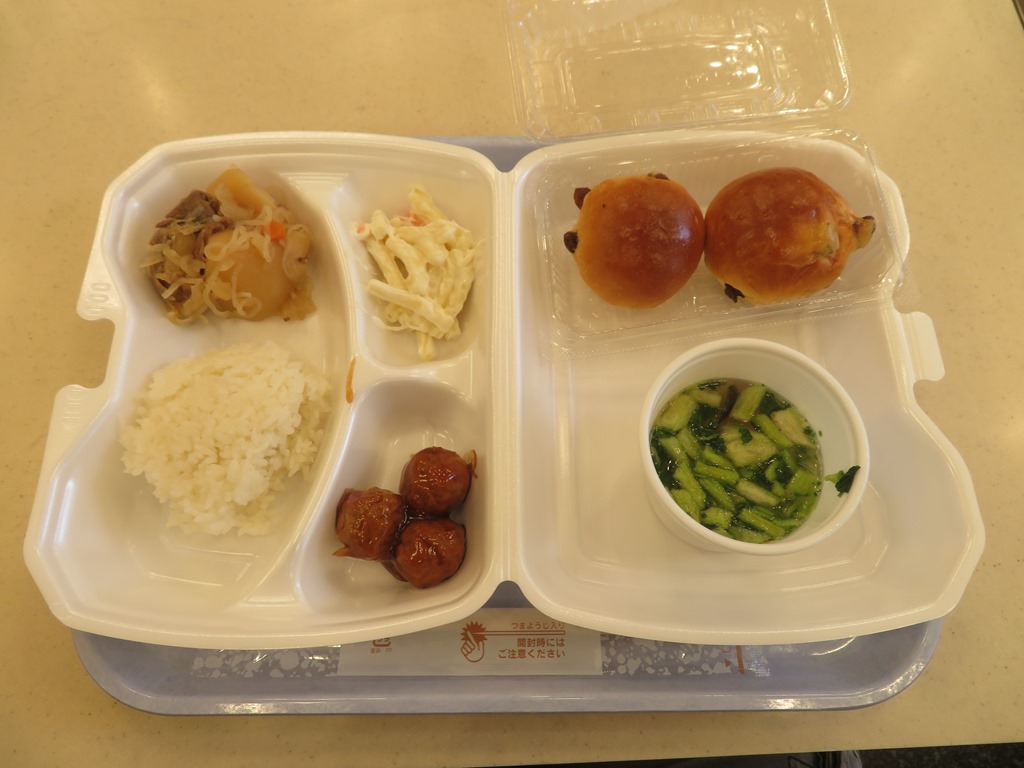
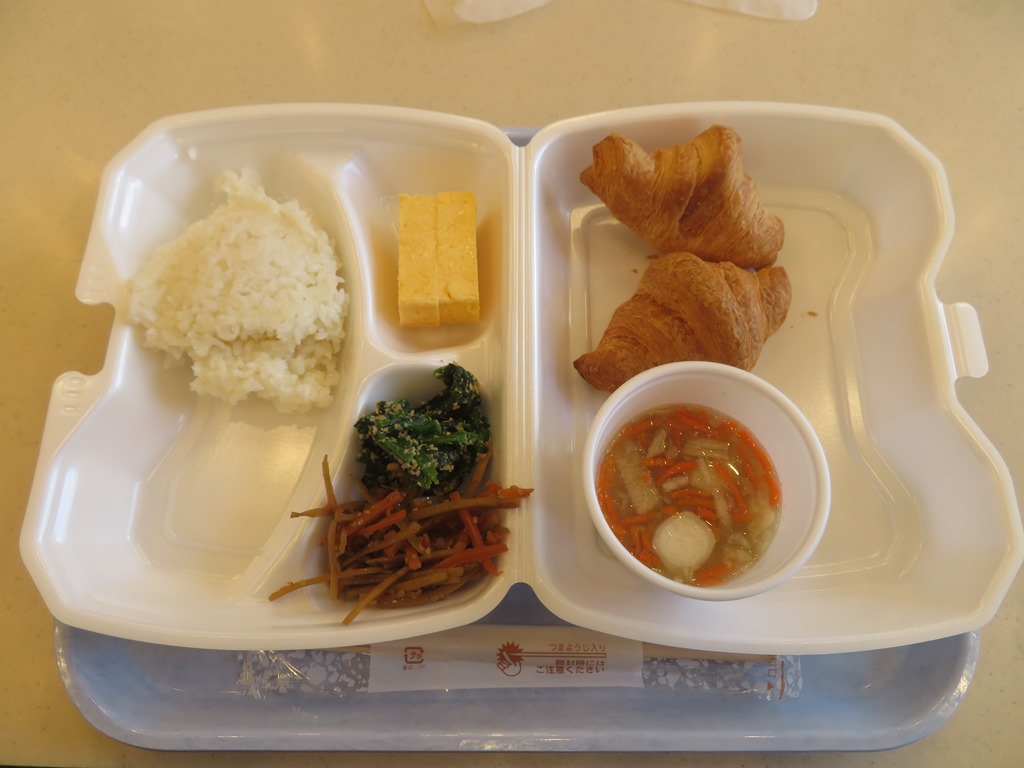
Anyway, the weather continued to be sunny, which is nice. More breakfast was ate, though I neglected to bring the camera today. Kinda felt like the breakfast room was a whole lot more crowded today than it was on the weekend. Also, there was chicken rice along with the regular plain rice.
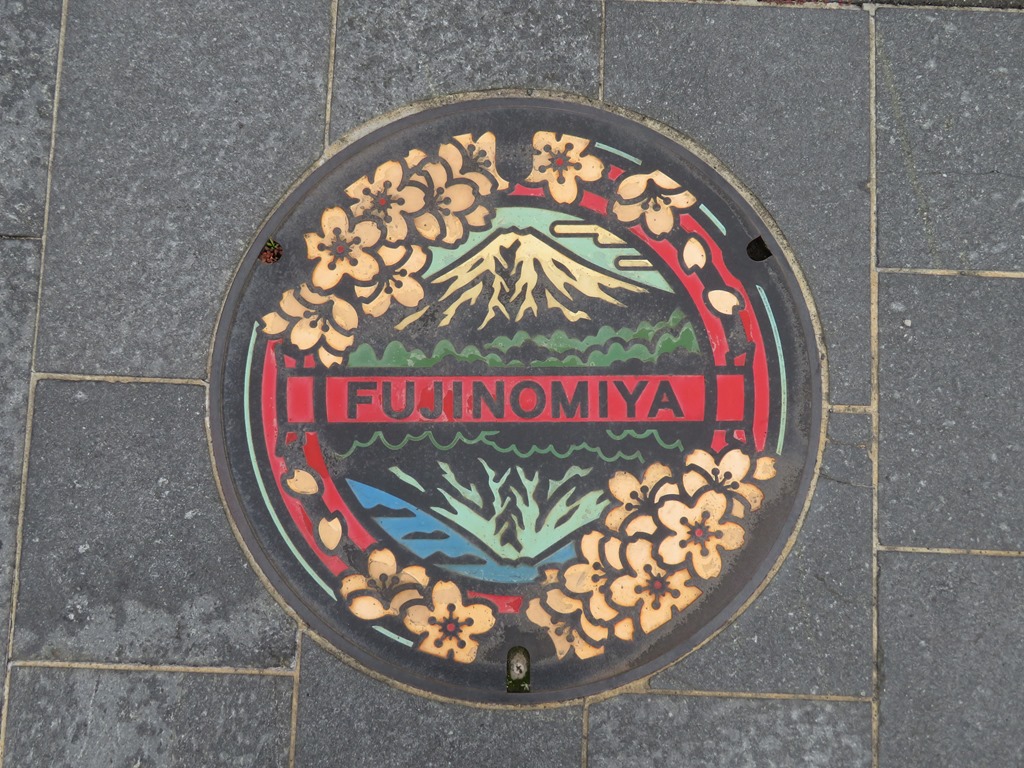
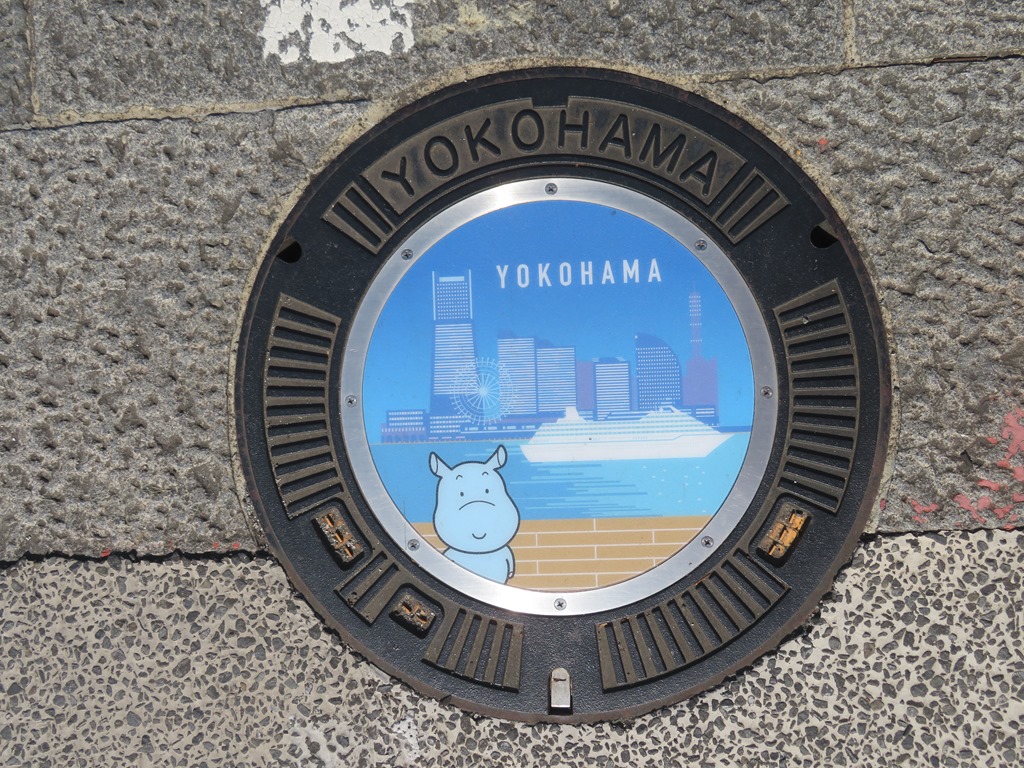
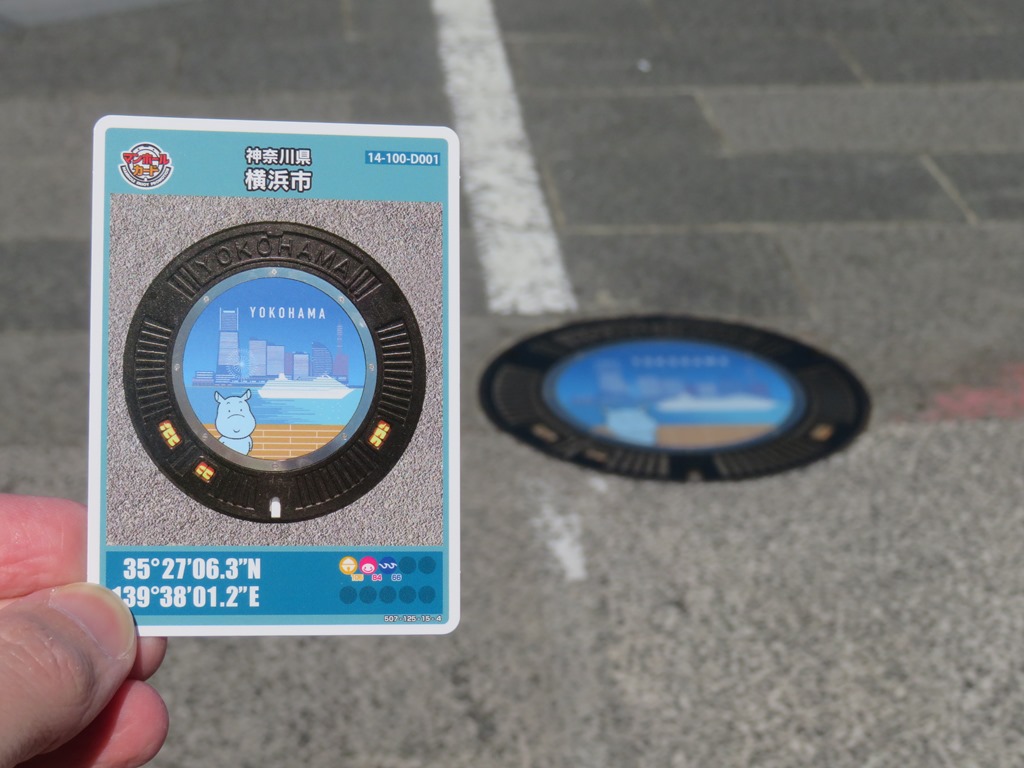
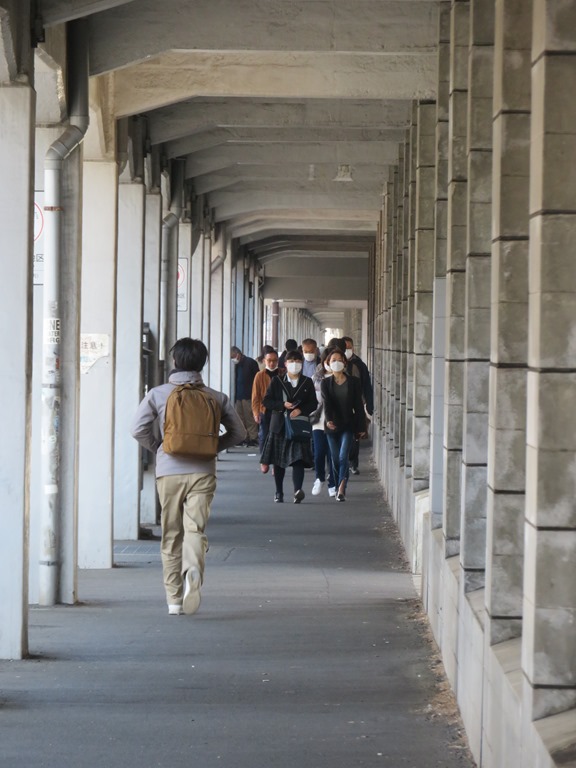
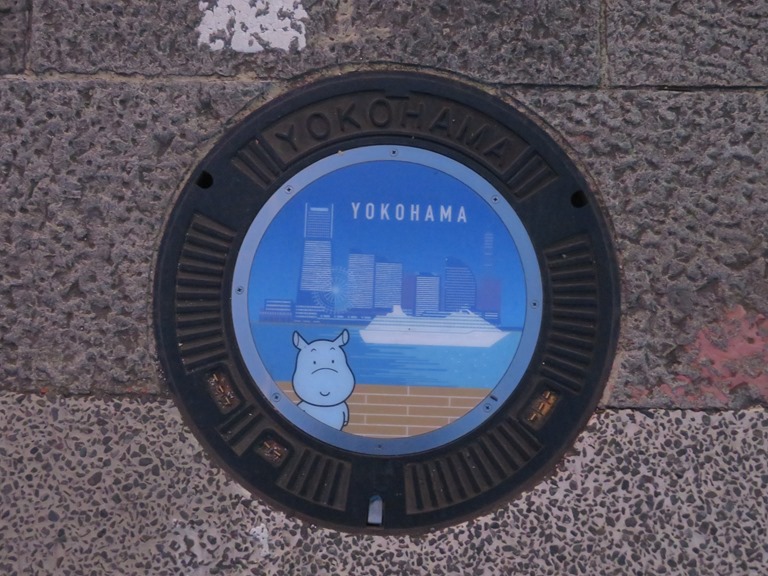
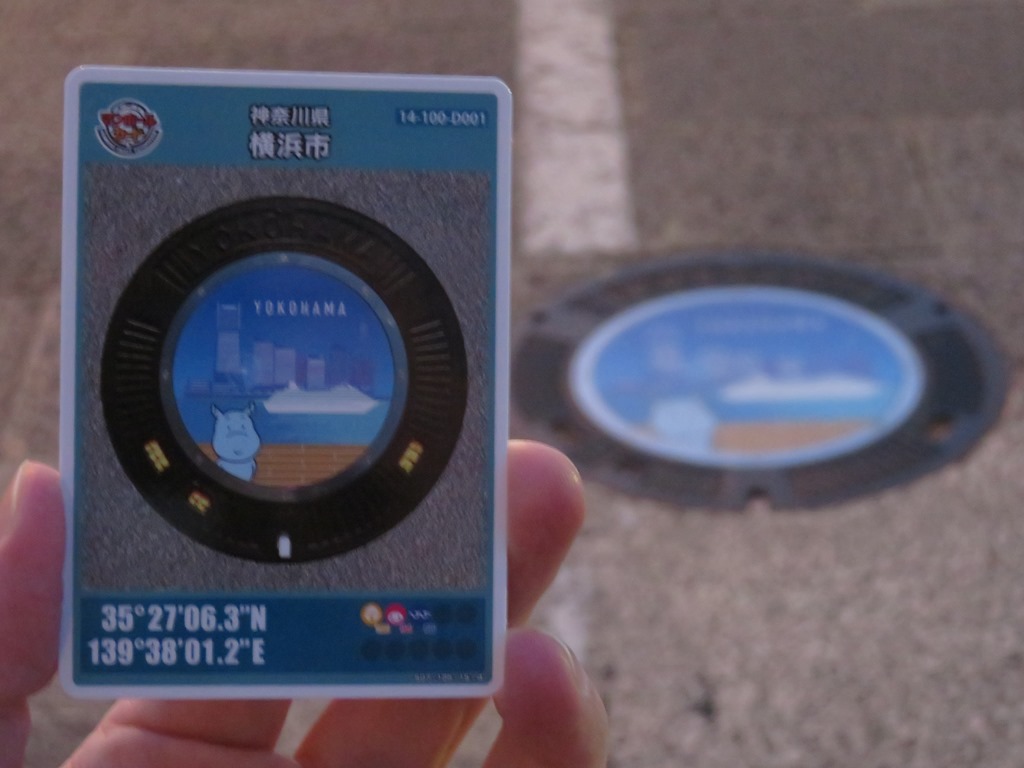
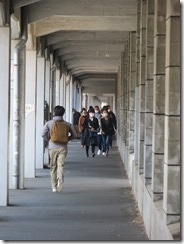
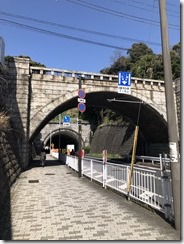
I headed out after breakfast, going the long way to the station to get another shot at the Sakuragicho manhole cover. Once at the station, I searched around (unsuccessfully) for a station stamp, discovering on the north side a long concrete culvert running parallel to the JR tracks and over the pedestrian footpath. Turns out it’s the old Toyoko Line viaduct.
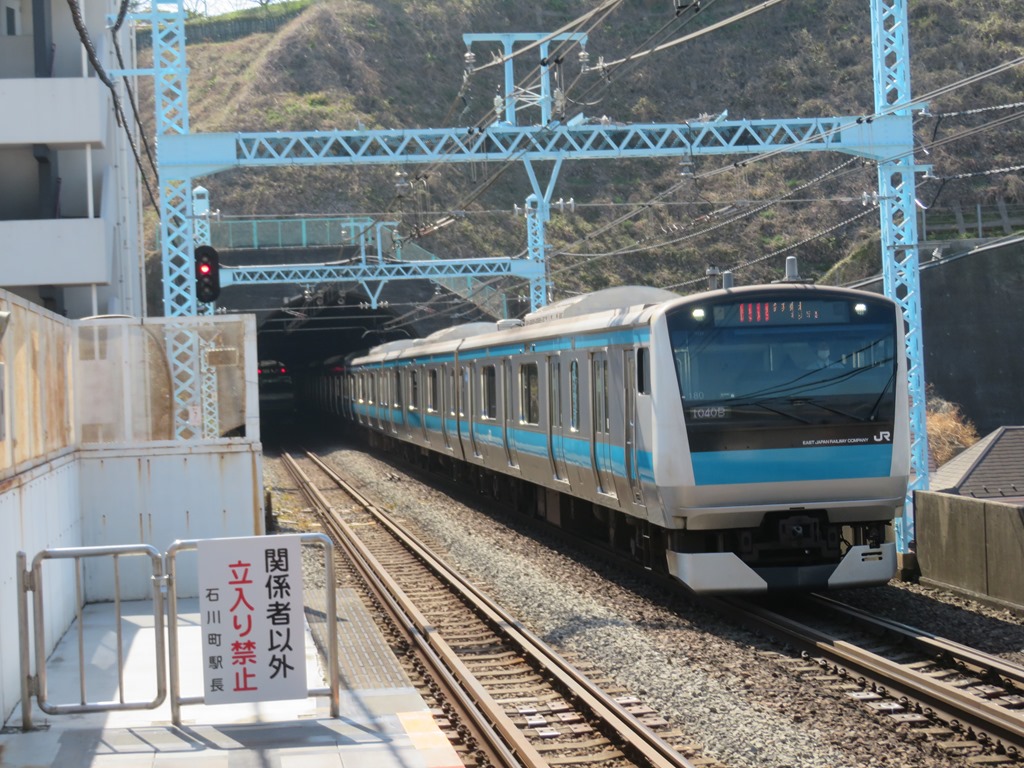
Entered the station and took the Negishi Line south for the first time this trip, getting off at Ishikawacho a few stops away. I find that station interesting in that it straddles a river – the north and south exits are on opposite banks. (And also the stairs leading up to the platform at the southern end are a block further south than the exits are – there’s a road passing undeath them.)
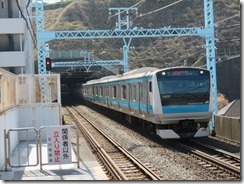
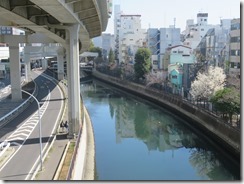
My first destination was at the top of a huge hill just south of the station. Yokohama is hilly in ways that most parts of Tokyo simply are not, and this hill, well, it towered above the elevated station. Actually, the tracks tunnel through the hill just outside the station.
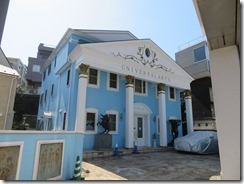
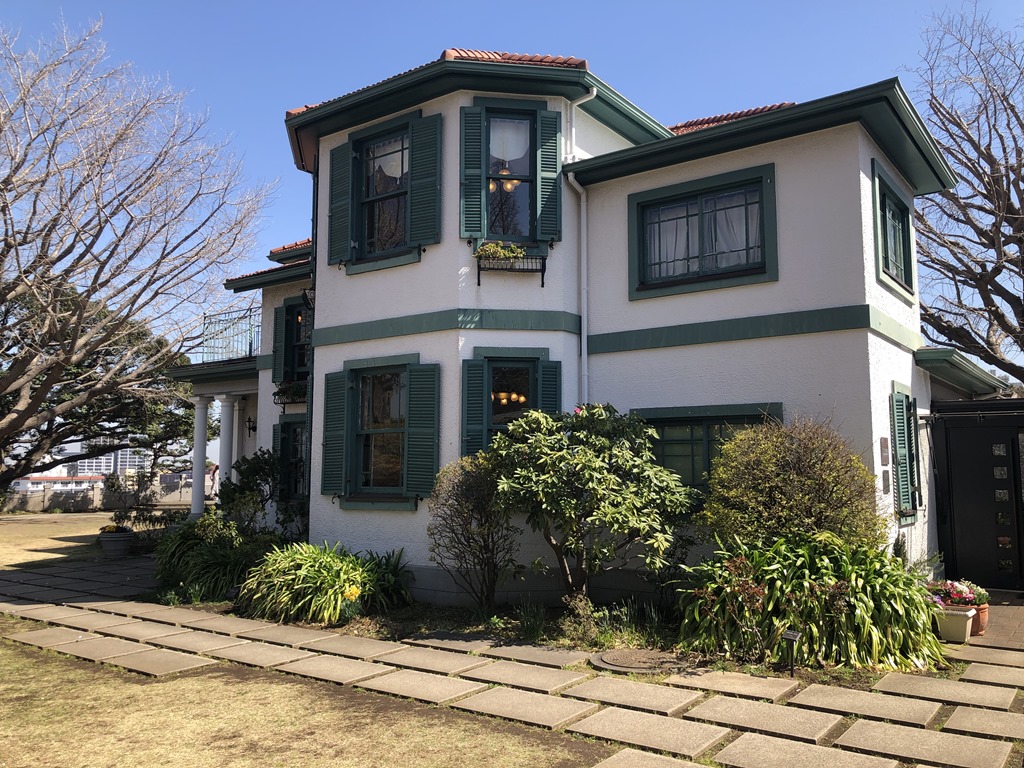
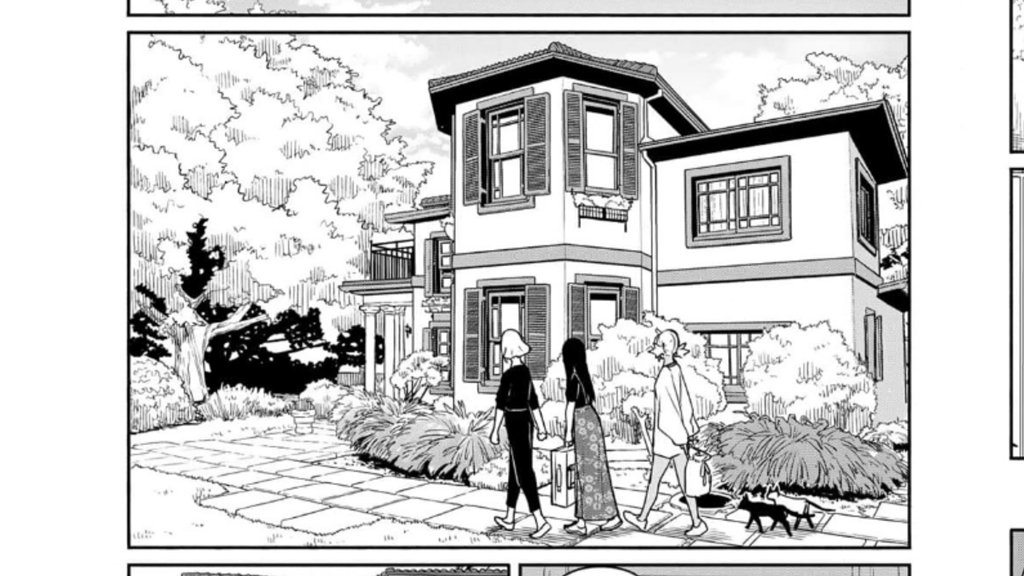
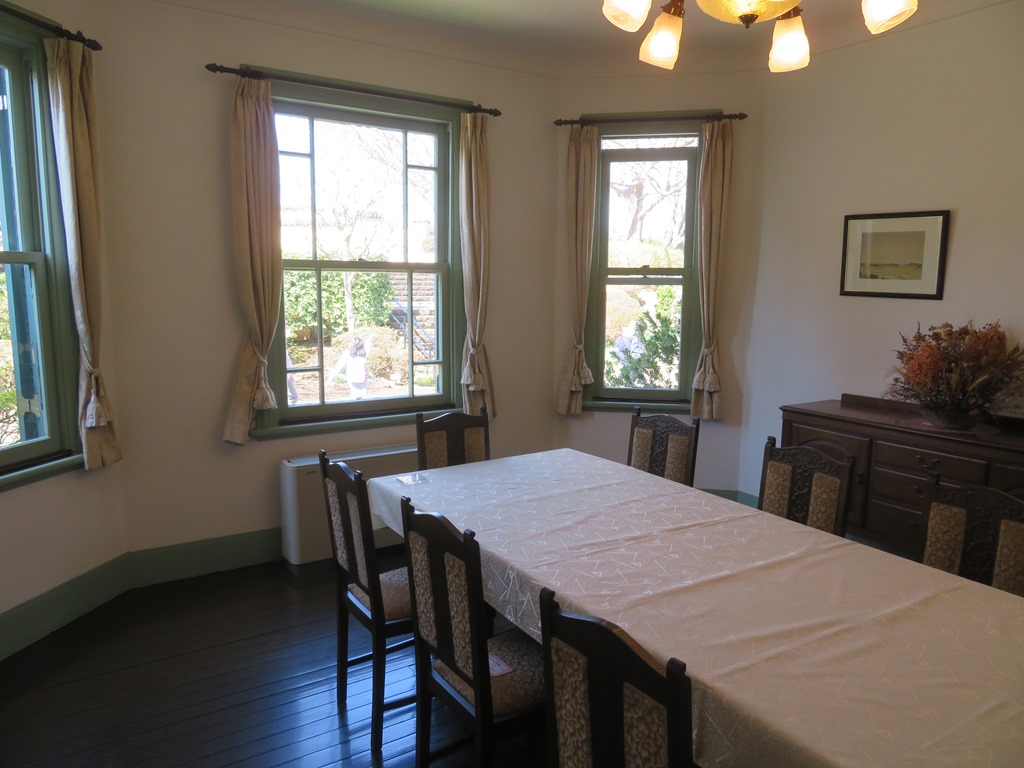
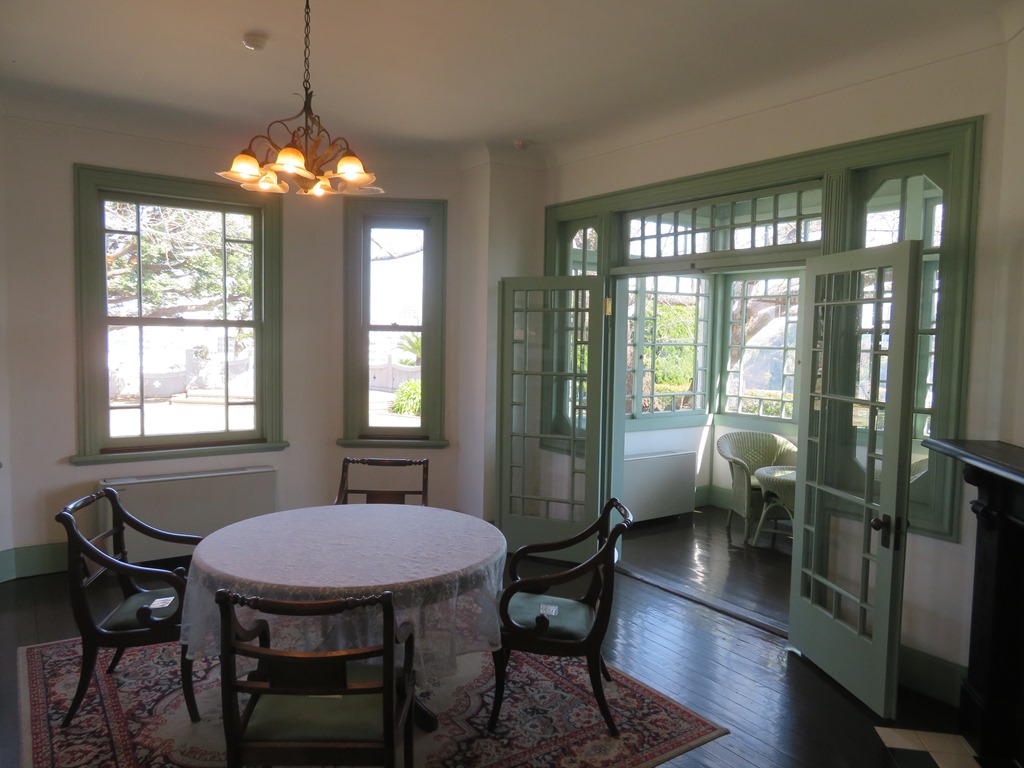
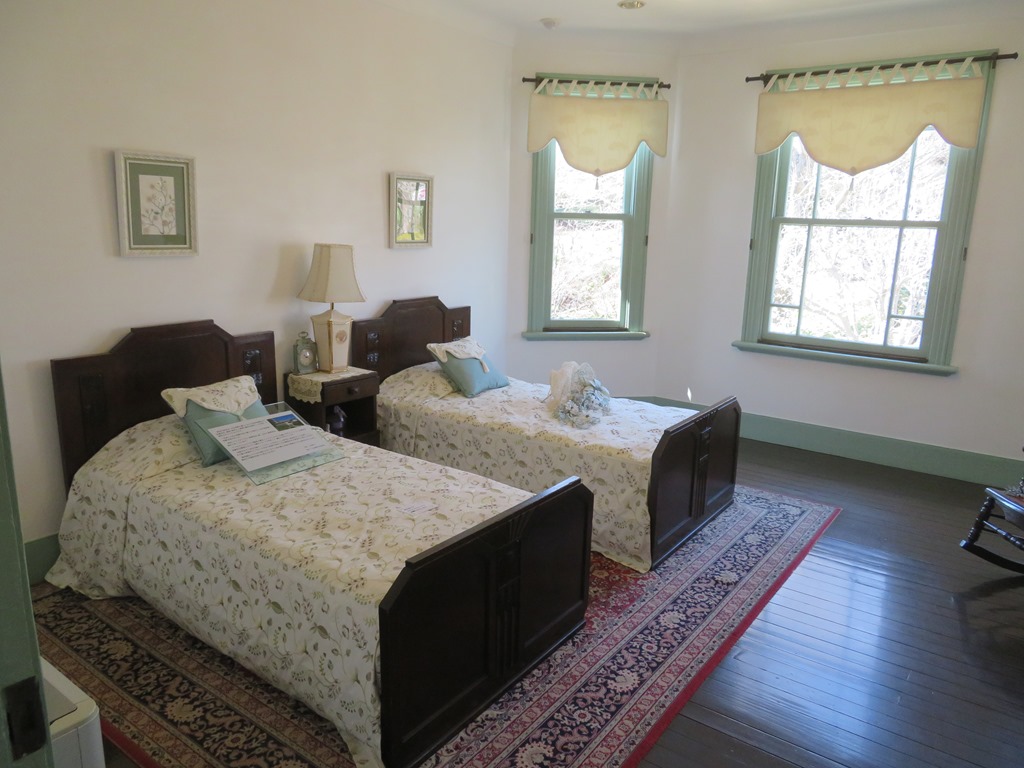
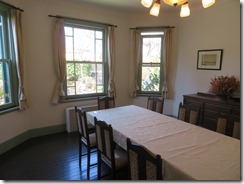
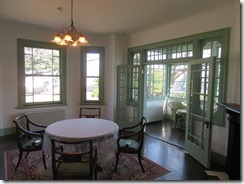
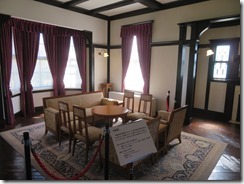
In any case, I was headed for Bluff No. 18, a historical European-style house that’s now a mini-museum. Actually it’s one of many such houses in the area (and one of many named “Bluff No. xx”, though I genuinely cannot work out what “Bluff” is supposed to mean here). It was built after the Great Kanto Earthquake for an Australian trader named Bowden, but after WWII it was purchased by the Catholic Church and used as a presbytery, until they donated it to the City of Yokohama in 1991, who restored it and opened it as a museum in 1993. Entry is free.
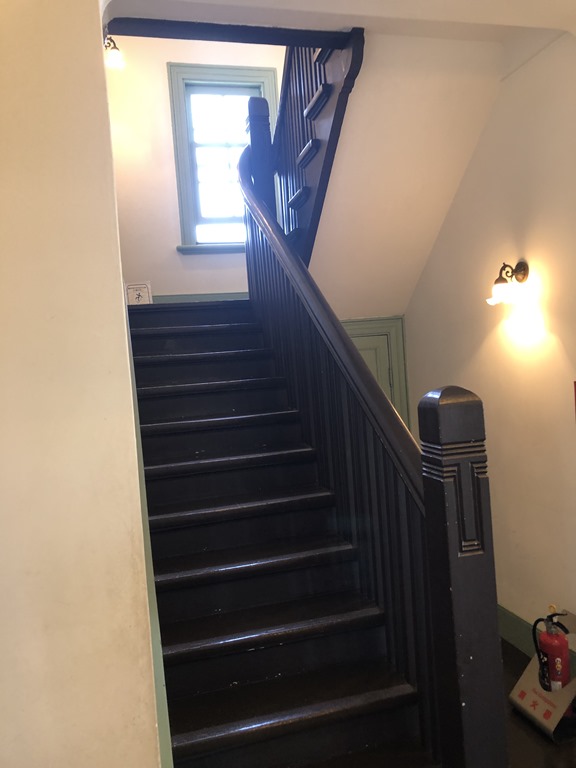
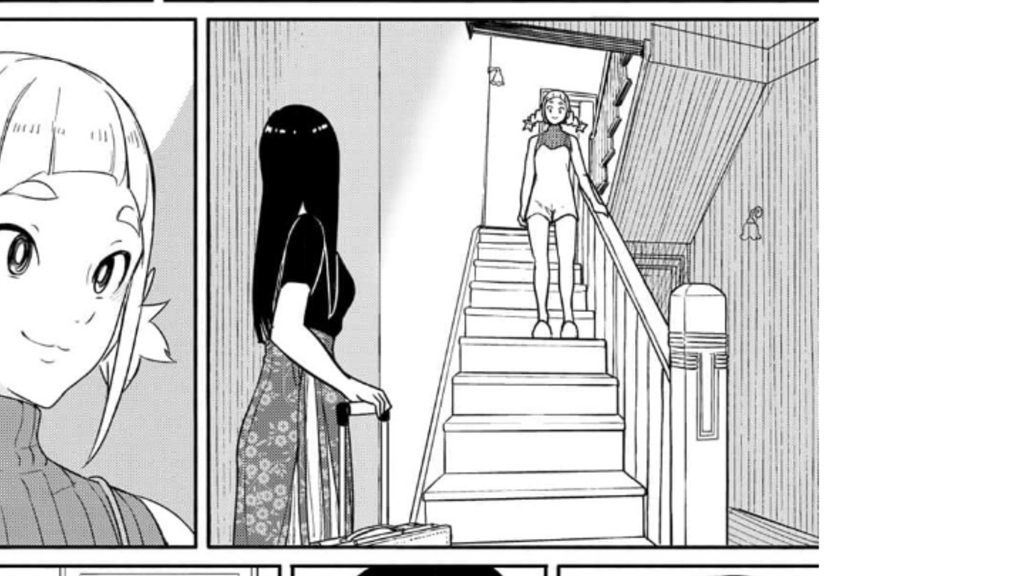
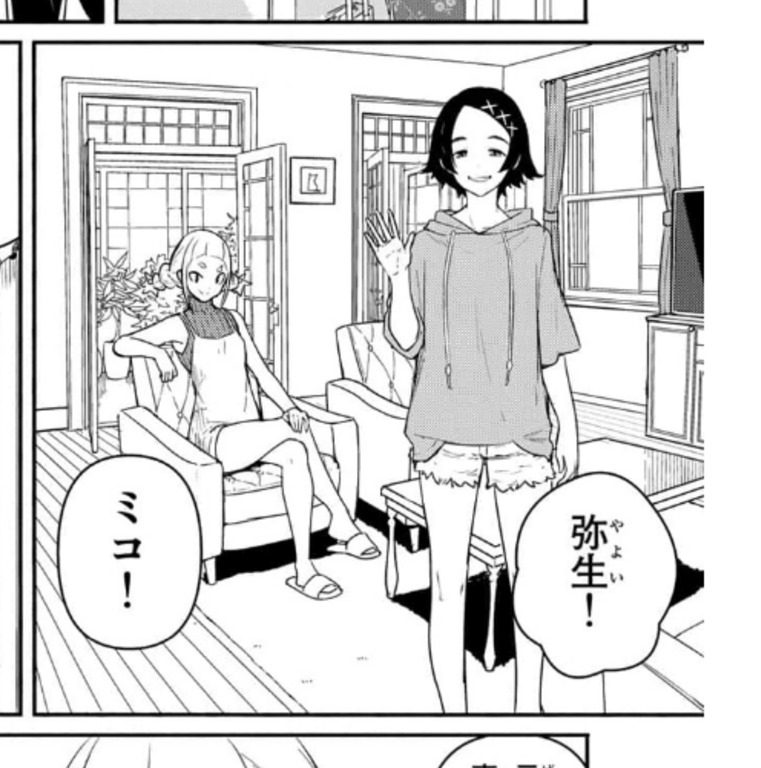
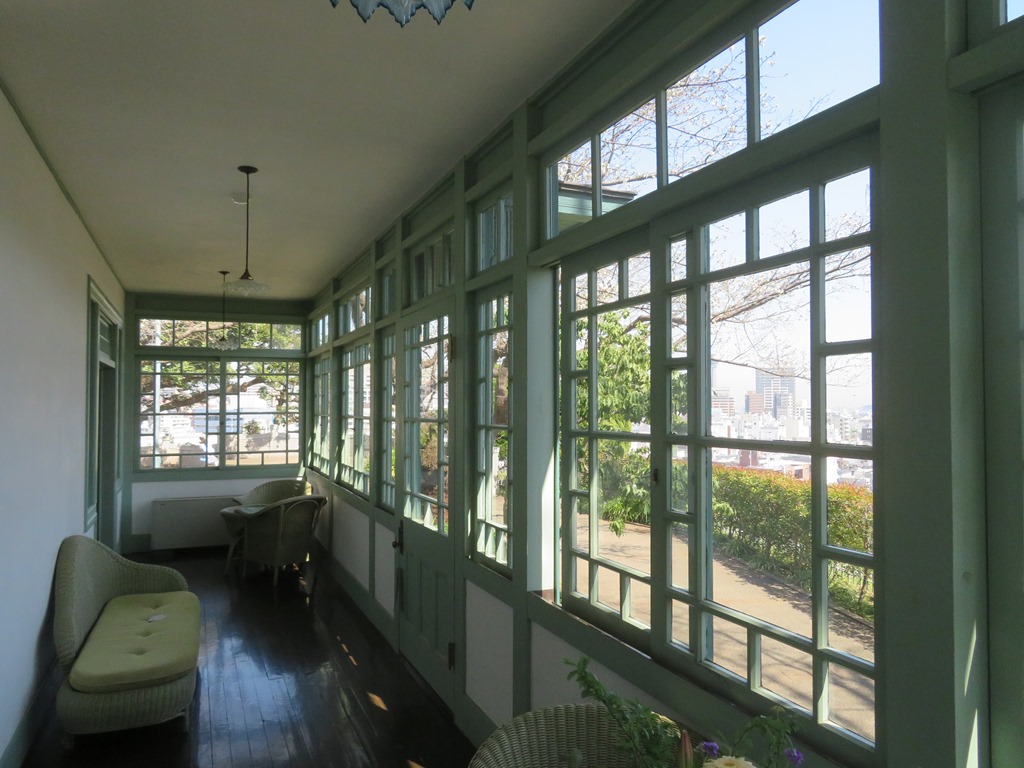
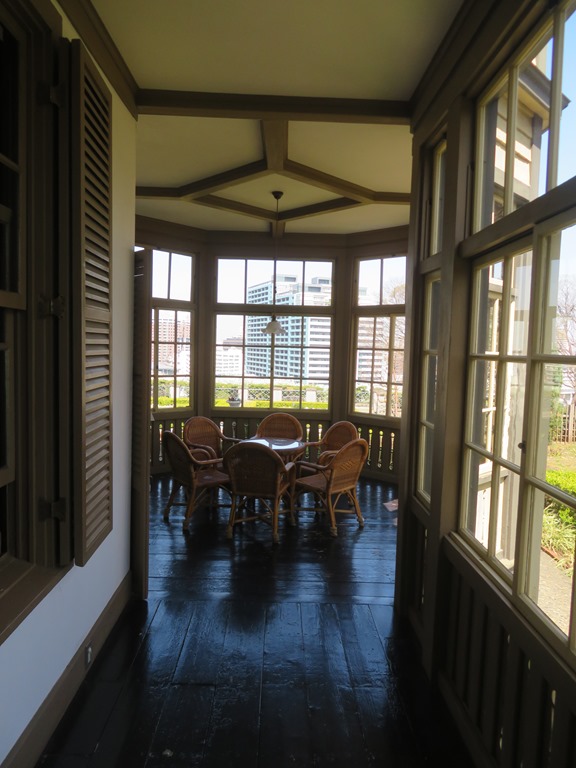
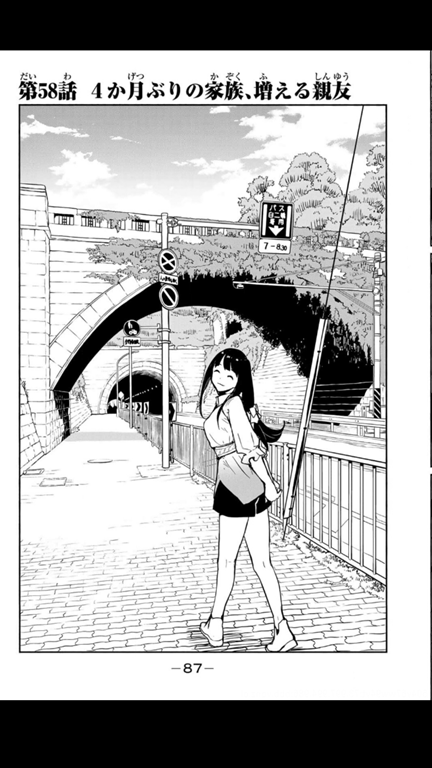
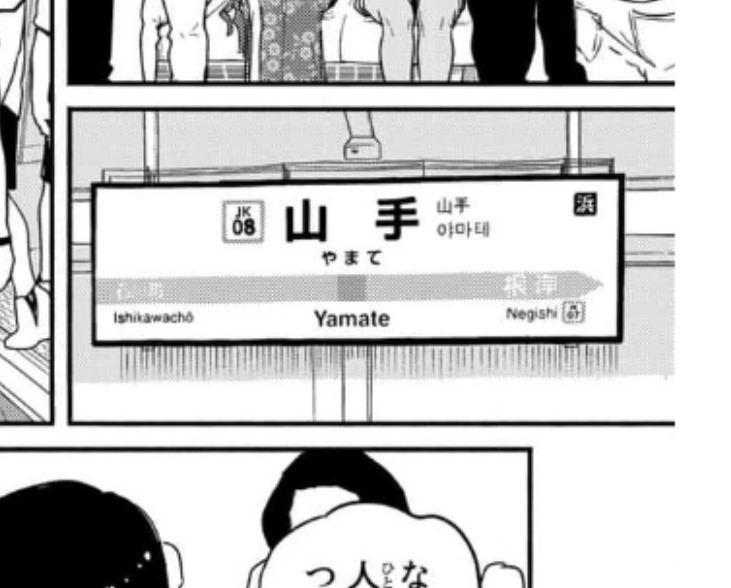
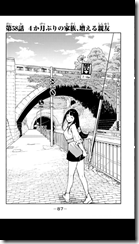
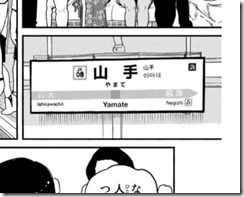
What first drew my attention to this place is that it appears in the tenth volume of a manga called Flying Witch as the family home of main character Makoto (for the rest of the series, she’s living in Aomori with family, as a sort of practical training for becoming a witch). So I made sure to get some photos that match manga panels.
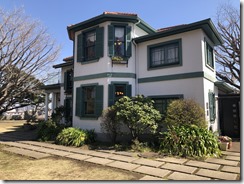
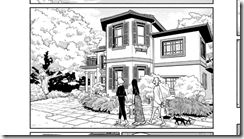
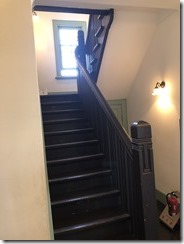
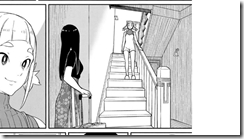
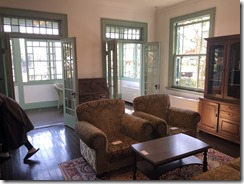
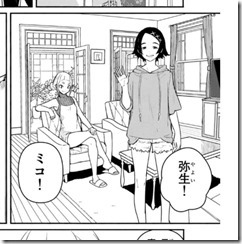
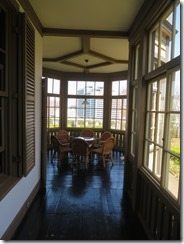
It was a very nice little house, though the way it’s currently furnished, it appears to have only one bedroom with two single beds. I especially liked the sunroom with the wraparound windows. And a very nice view. Had to take my shoes off upon entry, which surprised me a tad since it’s a European-style house, but I guess they want to protect the floors.
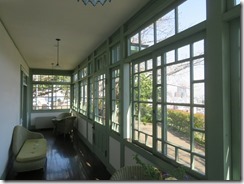
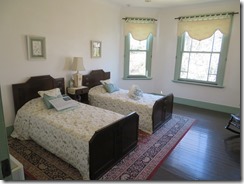
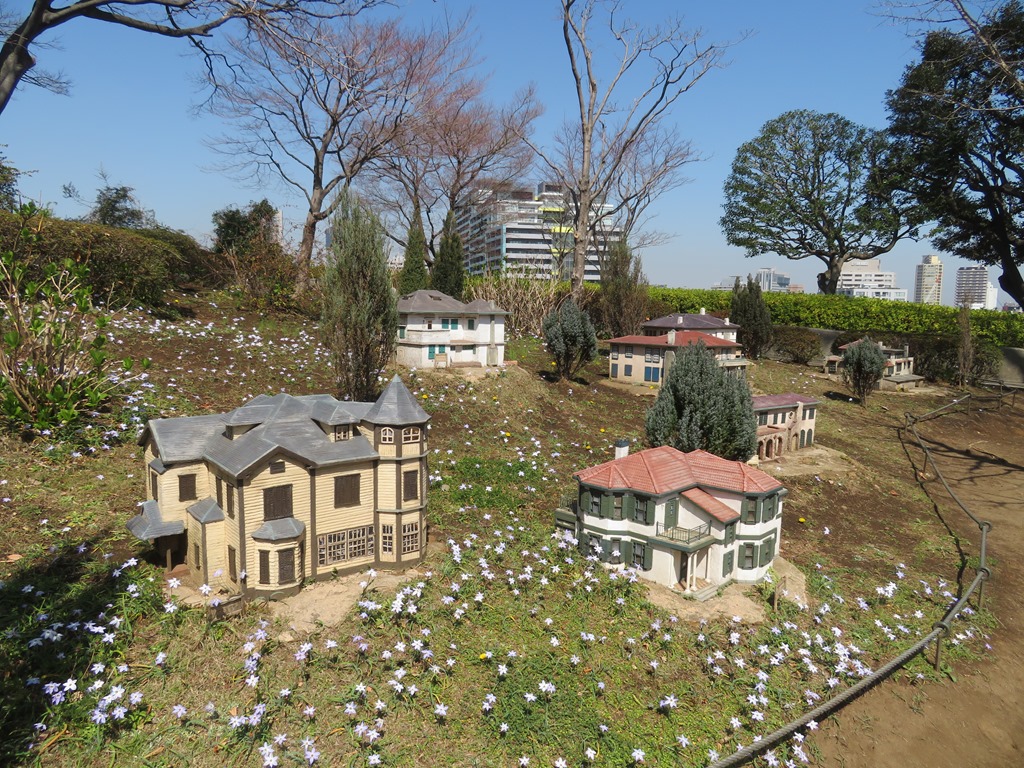
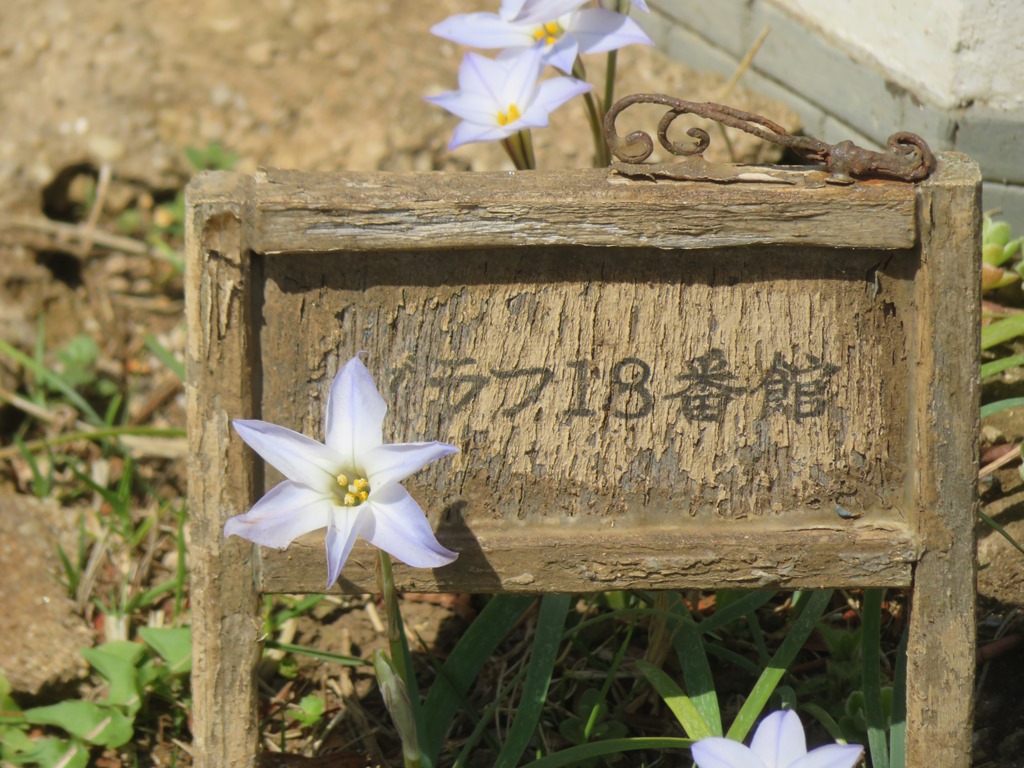
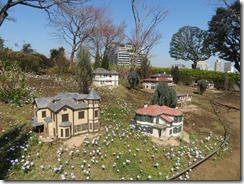
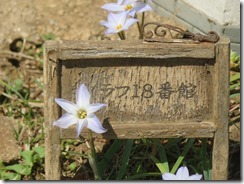
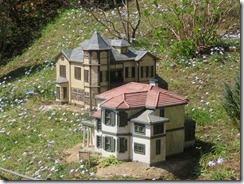
It’s located within the Yamate Italian Garden, so I spent a bit of time admiring that. And the view. The garden included in one place a collection of replicas of various historical houses nearby, including Bluff No. 18.
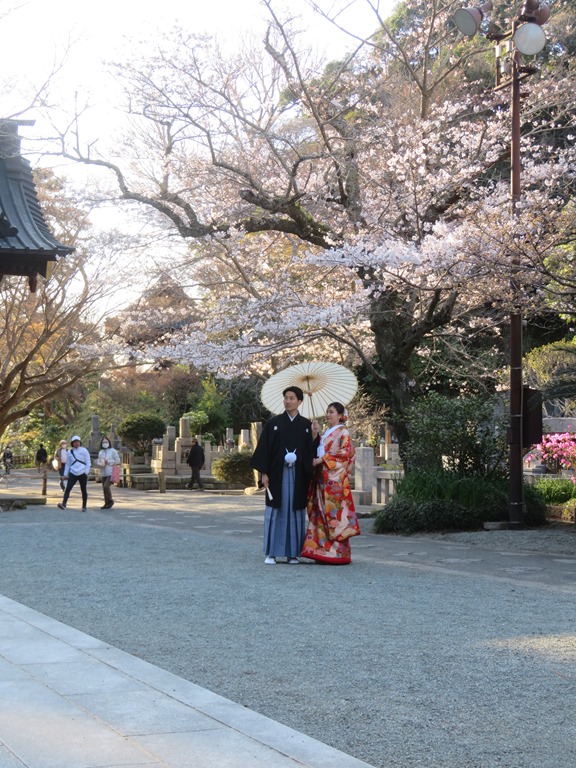
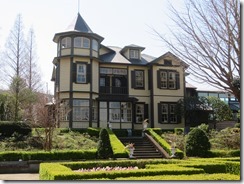
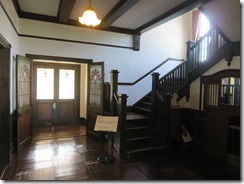
Also in the grounds was another house labelled on signage as “Home of a Diplomat”. Or if they were feeling particularly verbose, “Former Uchida Residence: Home of a Diplomat”. But nothing more, so I had no idea which diplomat in the slightest. Googling now, it was the residence of Uchida Sadatsuchi, who served as consul general in New York during the Meiji Period. And also, the house was originally constructed in Shibuya, and moved to its present location by the City of Yokohama after it was donated to them by Uchida’s grandson in 1997. It was noticeably grander than Bluff No. 18, everything done in dark wood. Even had a third floor, though it looks like possibly only tour groups are allowed up there. Plus a tiny room by the front door where the servants could hang out when not working. And also another couple doing wedding photography, though while yesterday’s couple were in traditional Japanese garb, this couple had clearly gone for a western-style wedding, with a bridal dress and tuxedo.
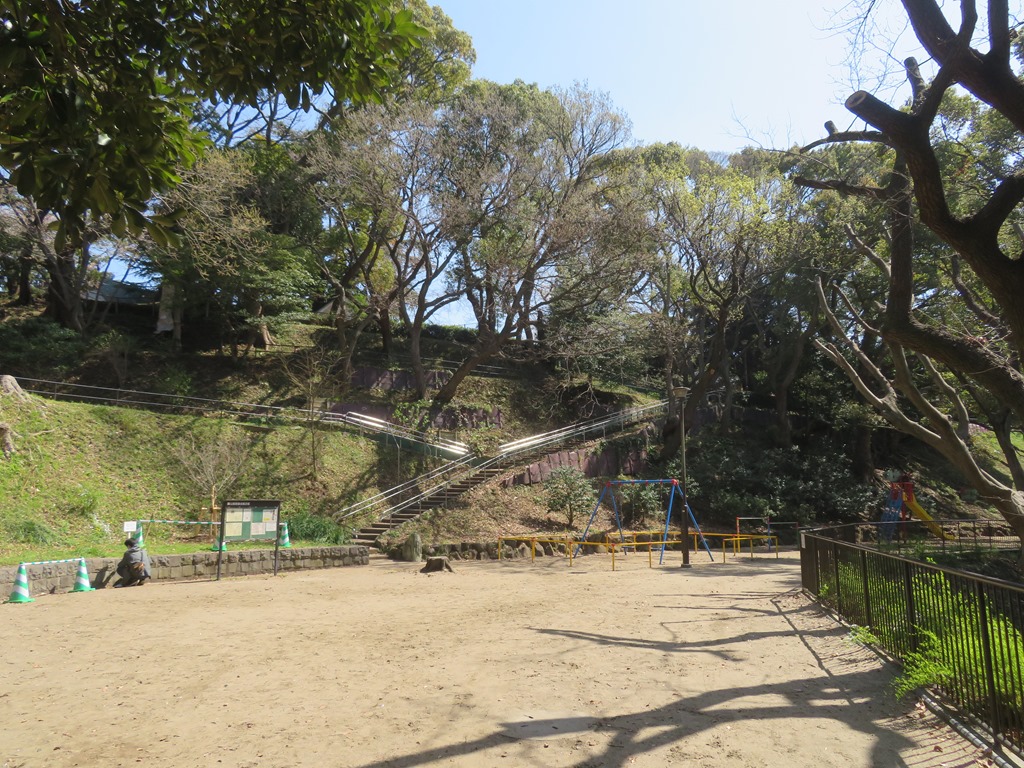
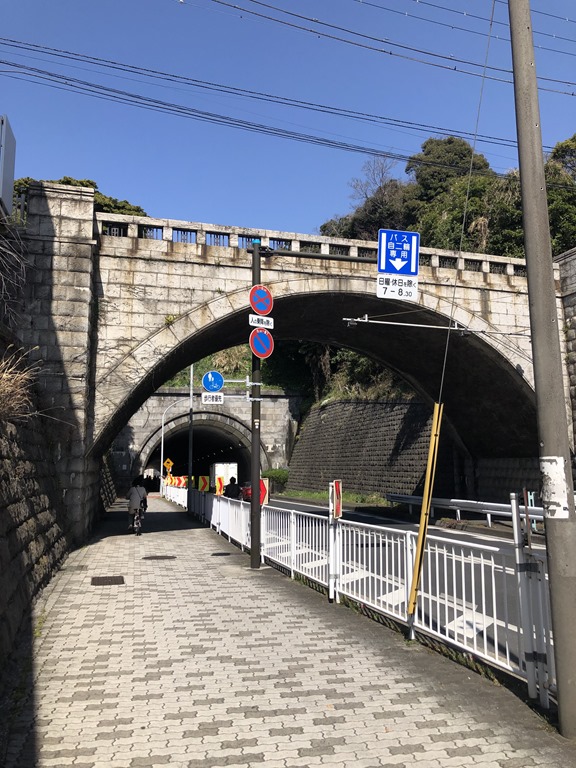
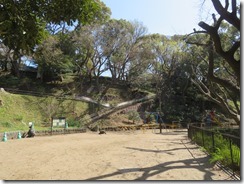
Leaving there, I wandered to the south, finding Yamate Park, which at the side I entered was so steep as to almost be vertical. A little downhill from there was another scene which appeared in Flying Witch (albeit only on a chapter title page).
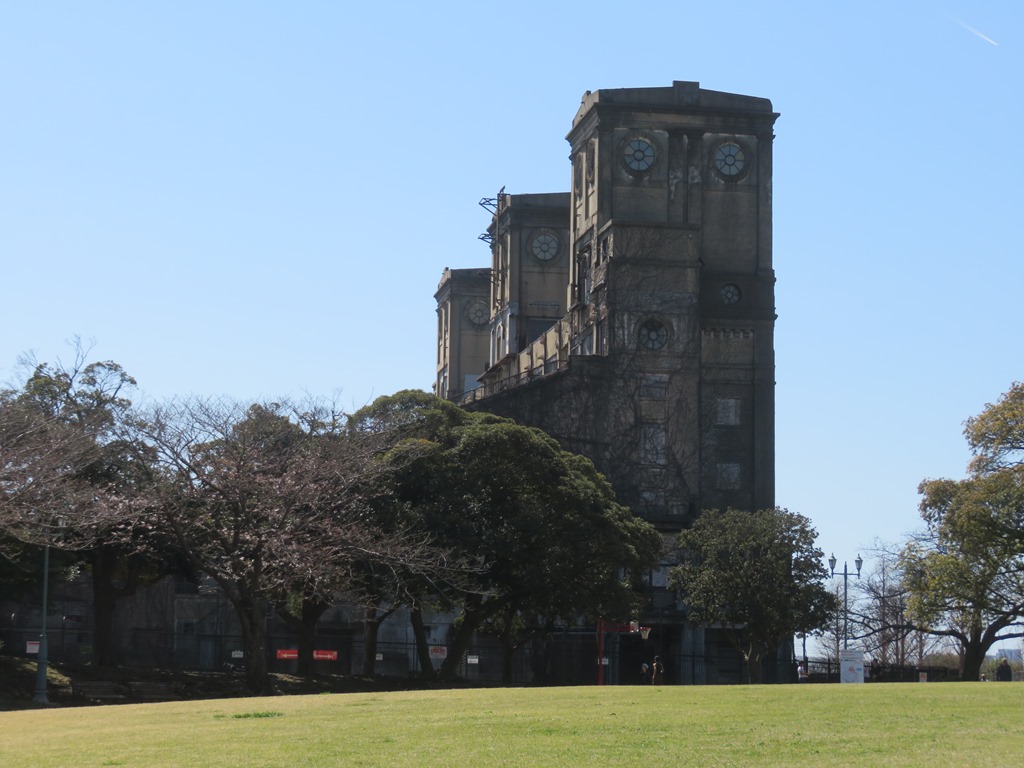
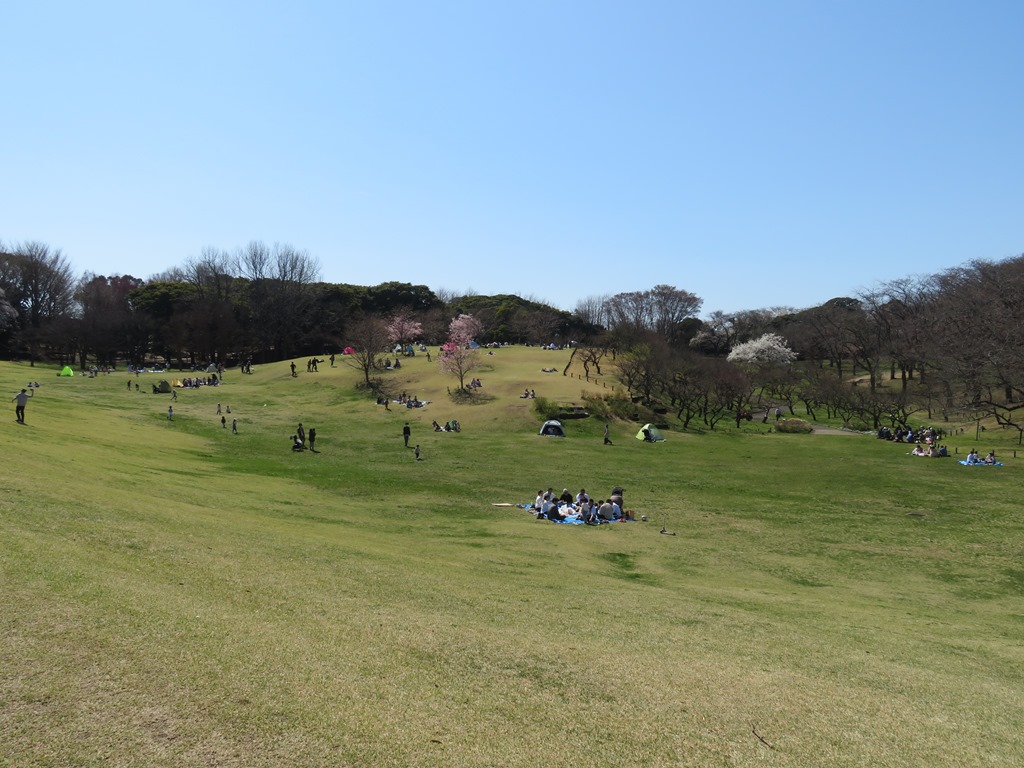
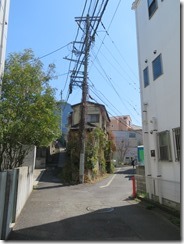
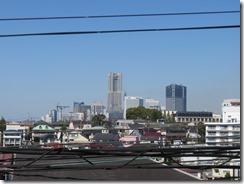
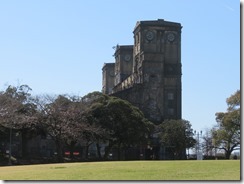
Then I decided to head for Negishi Forest Park, a park not too far away. It’s got a whole section of sakura trees, and, well, they’ve been blooming most other places I’ve visited, so perhaps they’ll be blooming here too. Of course the walk to get there entailed a surprise hike up a steep hill. It was quite an expansive park, no noises of the city inside. There were, however, a lot of families with kids, picnicing. A little surprising for a weekday. The park also contains the grandstands of the former Negishi Racetrack, and I was hoping I could go up in them, but no, they’re thoroughly derelict.
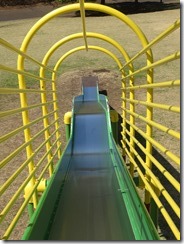
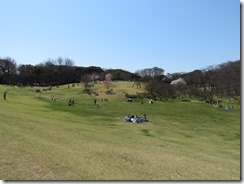
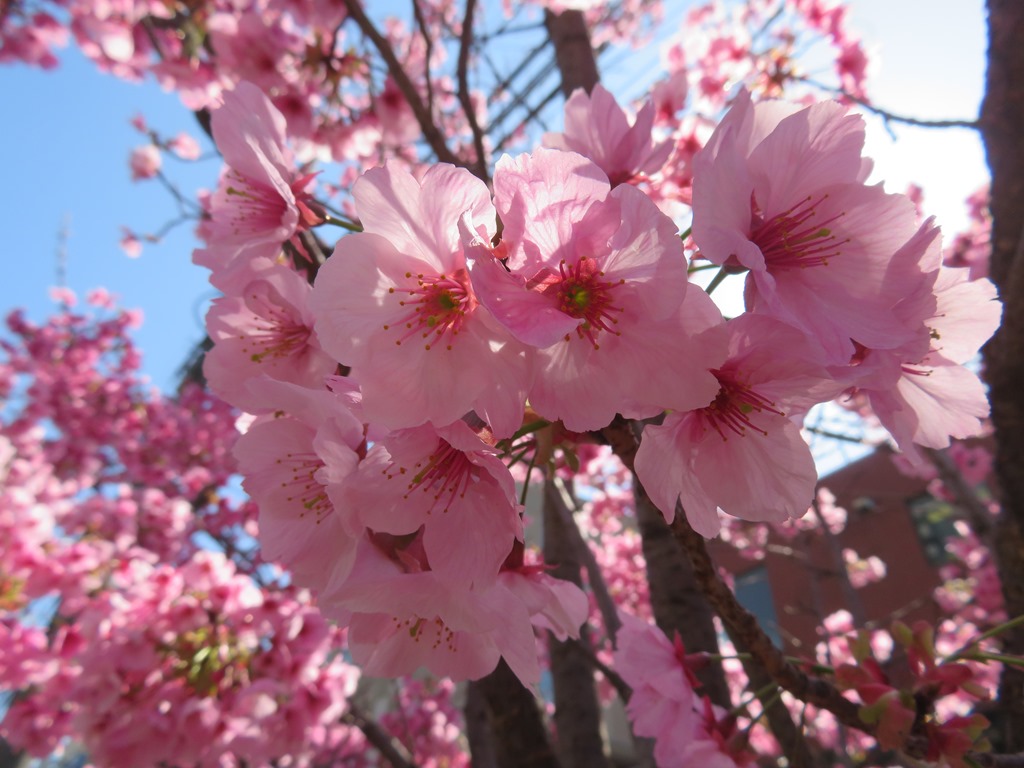
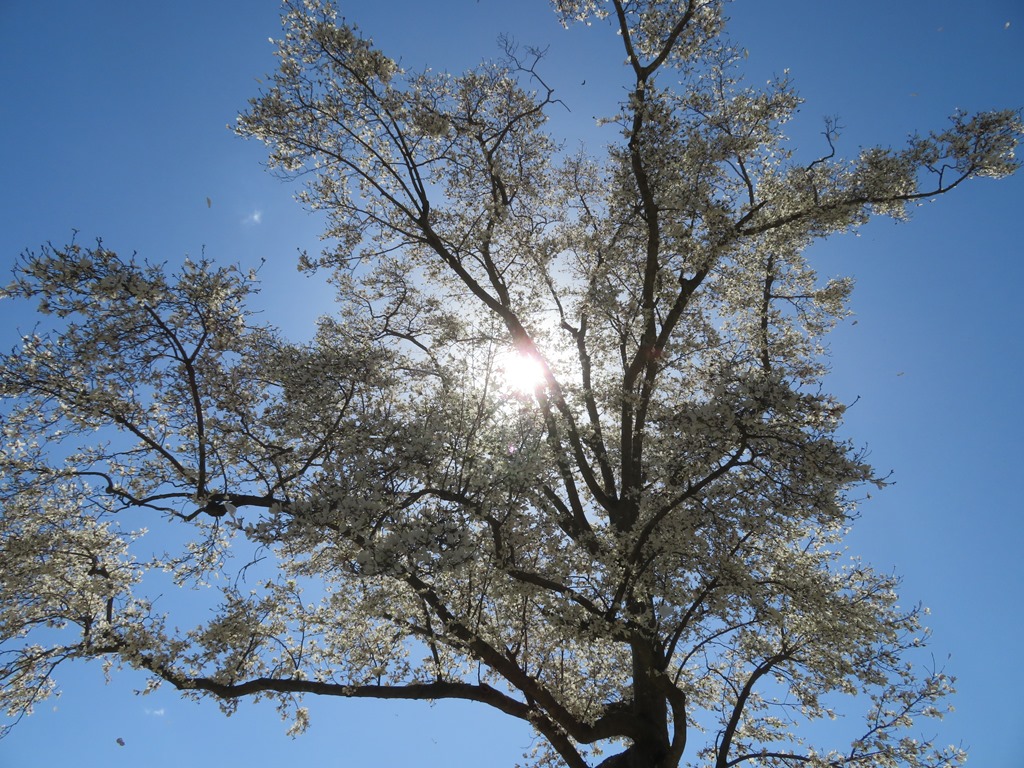
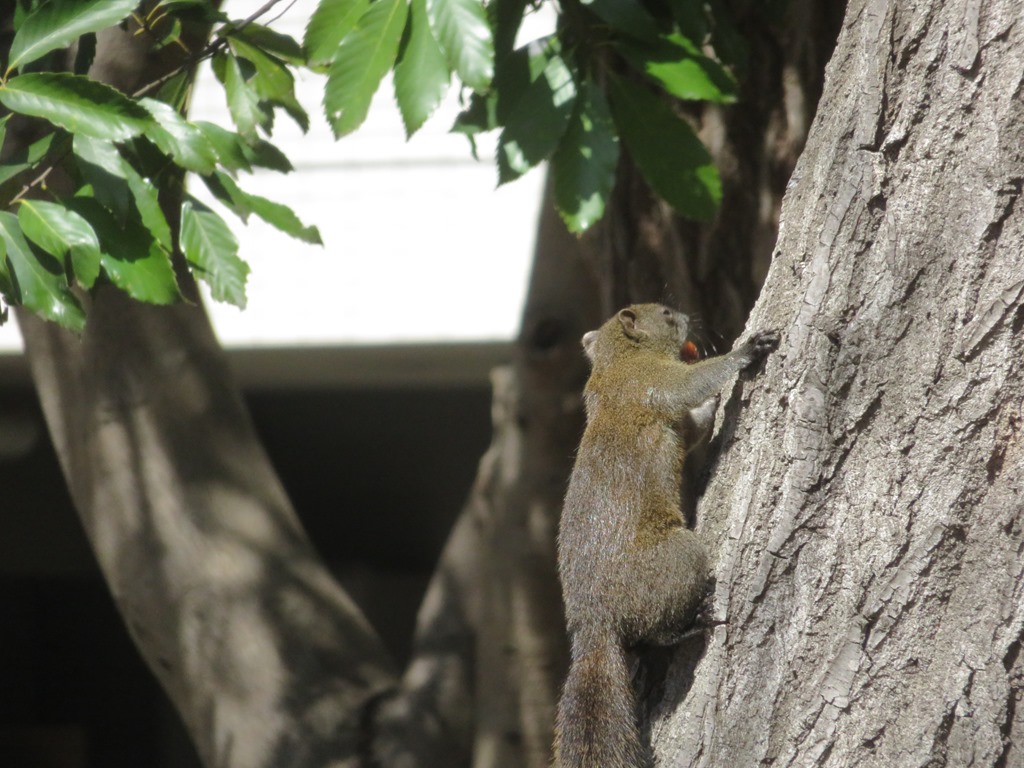
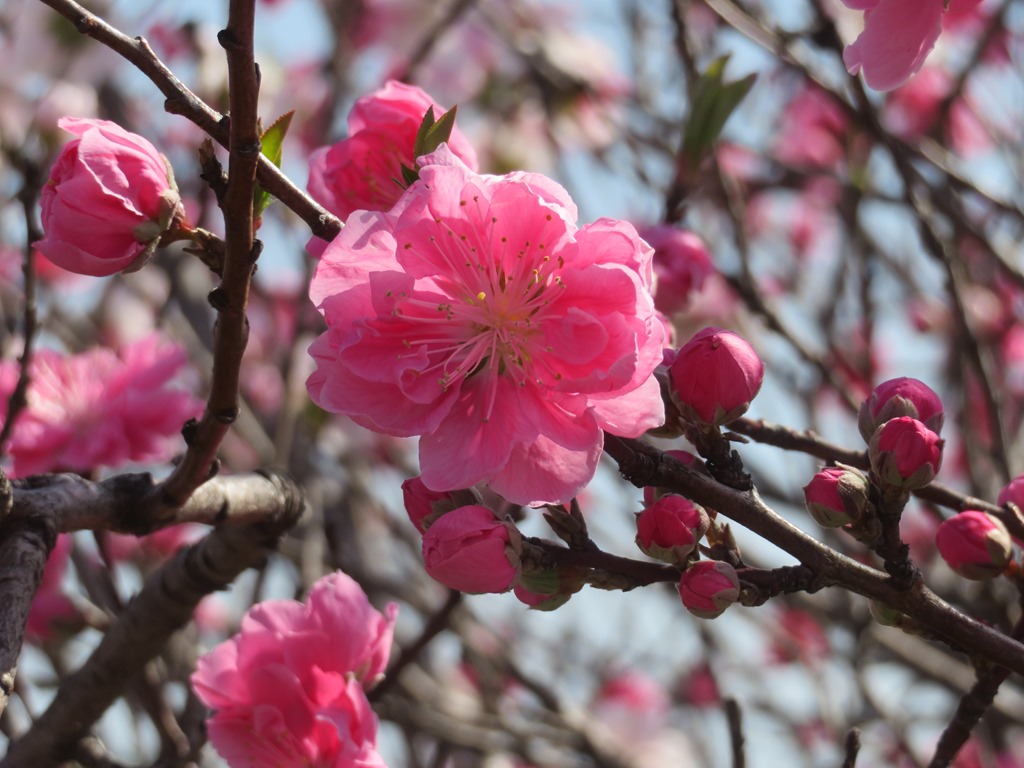
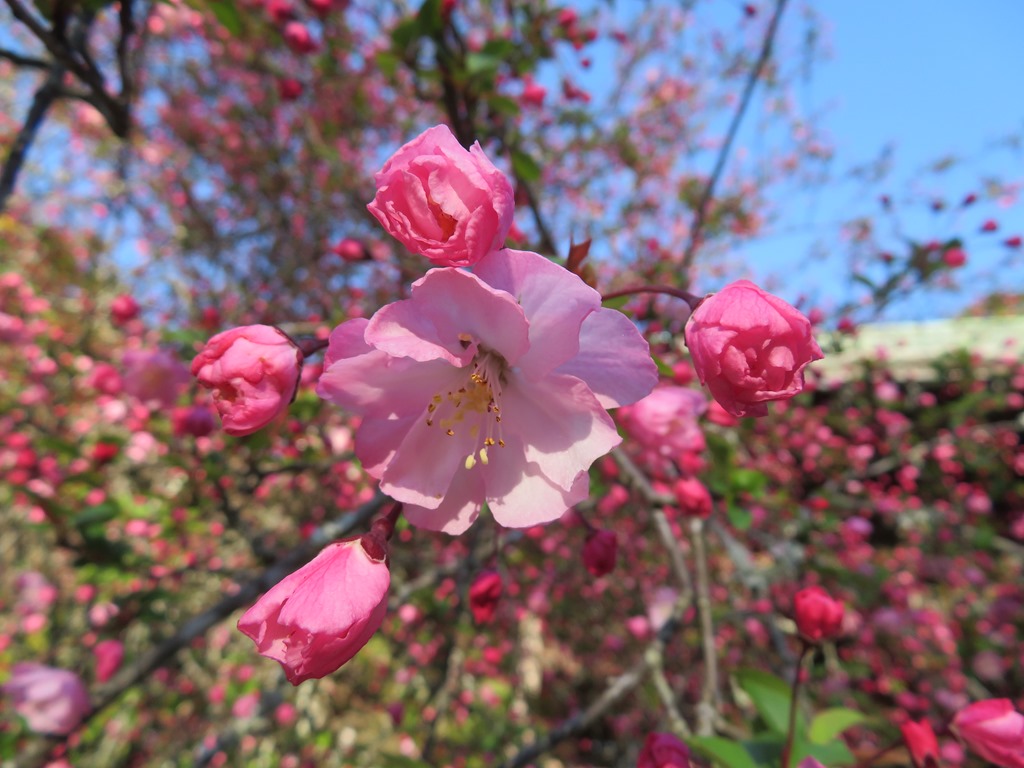
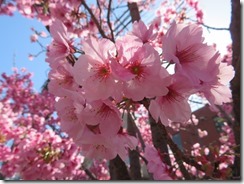
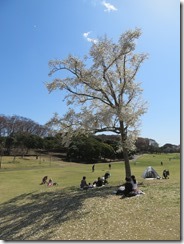
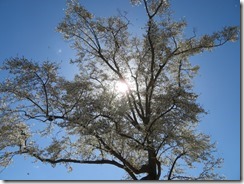
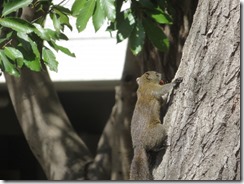
Unfortunately, the grove of sakura trees was not blooming yet, though there was another tree in full bloom and already losing its petals when the wind blew. Not the foggiest idea what kind of tree, though. I also saw a single squirrel of some variety, but I only got this photo of him – he vanished while I wasn’t looking at him.
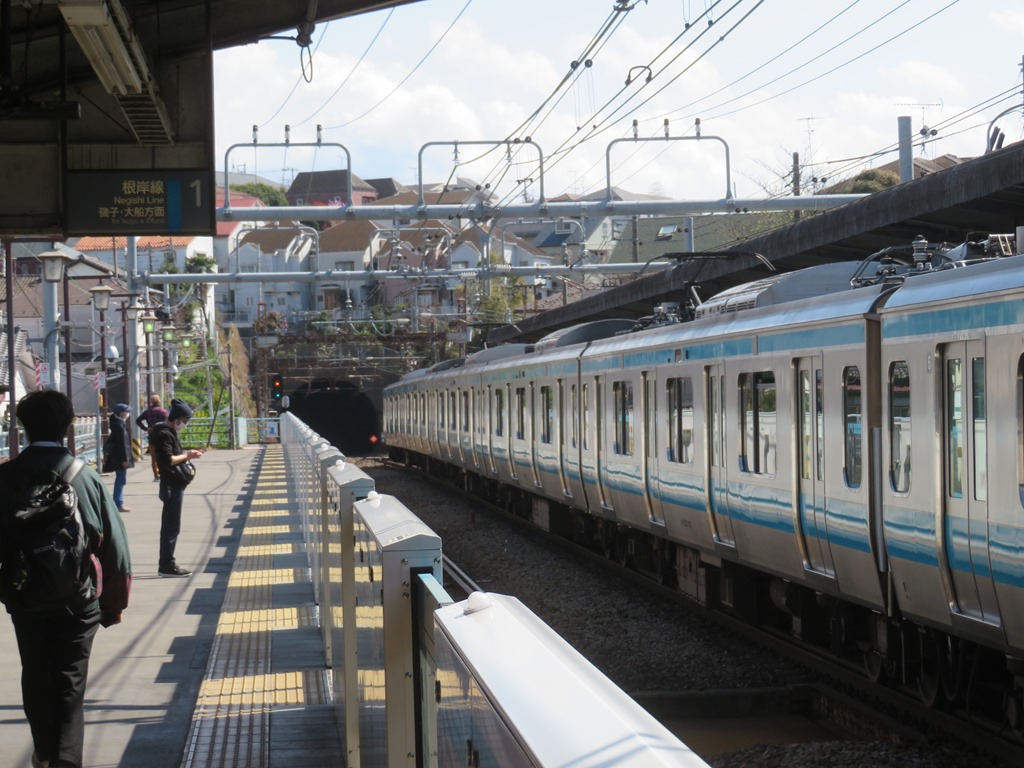
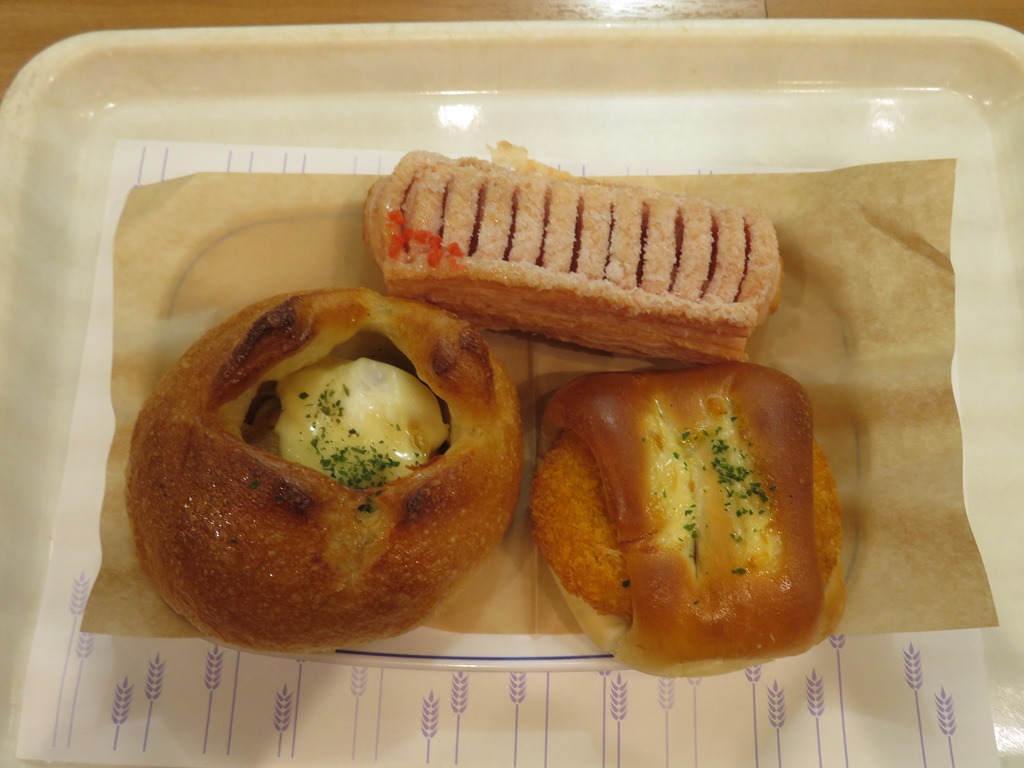
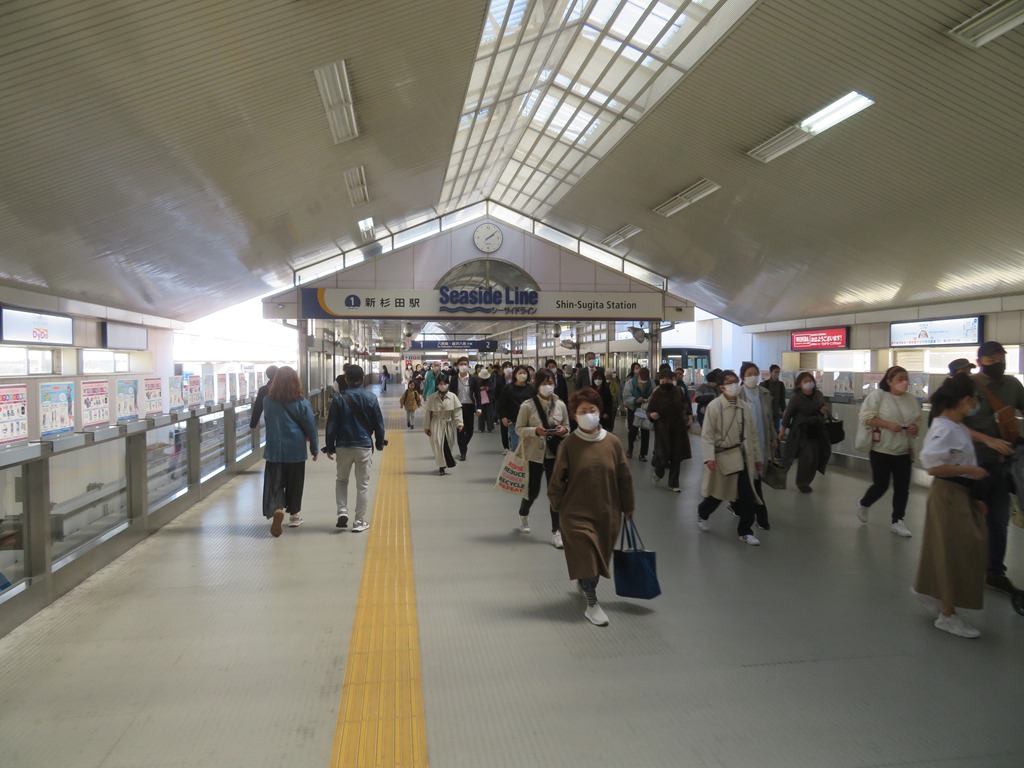
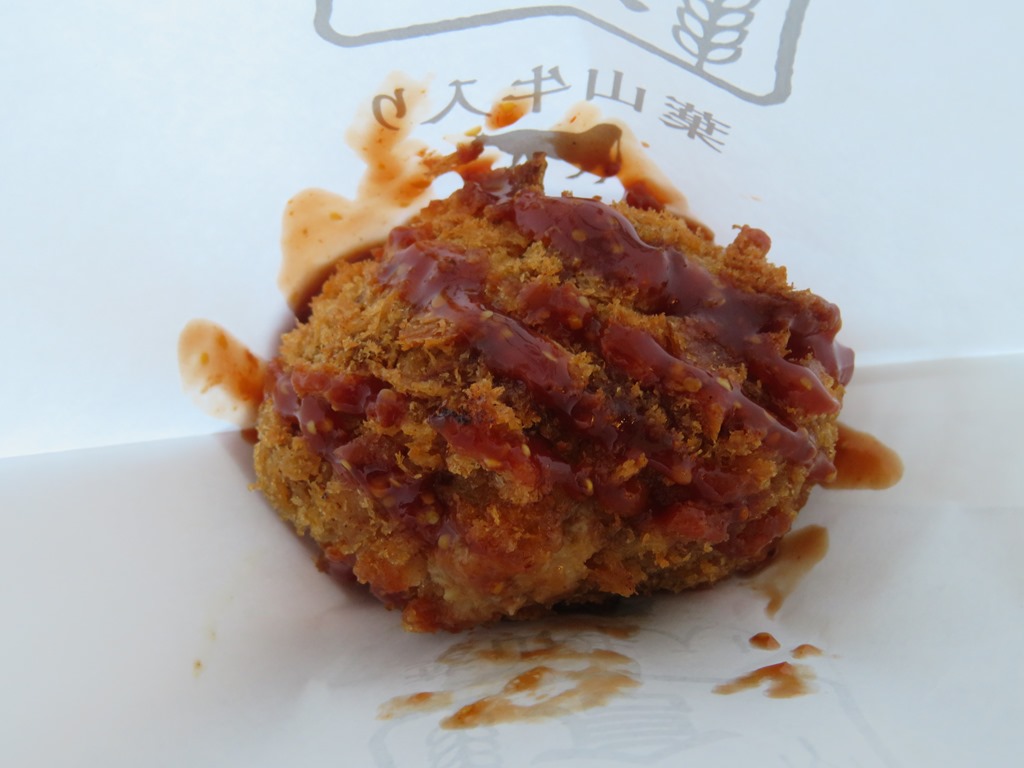
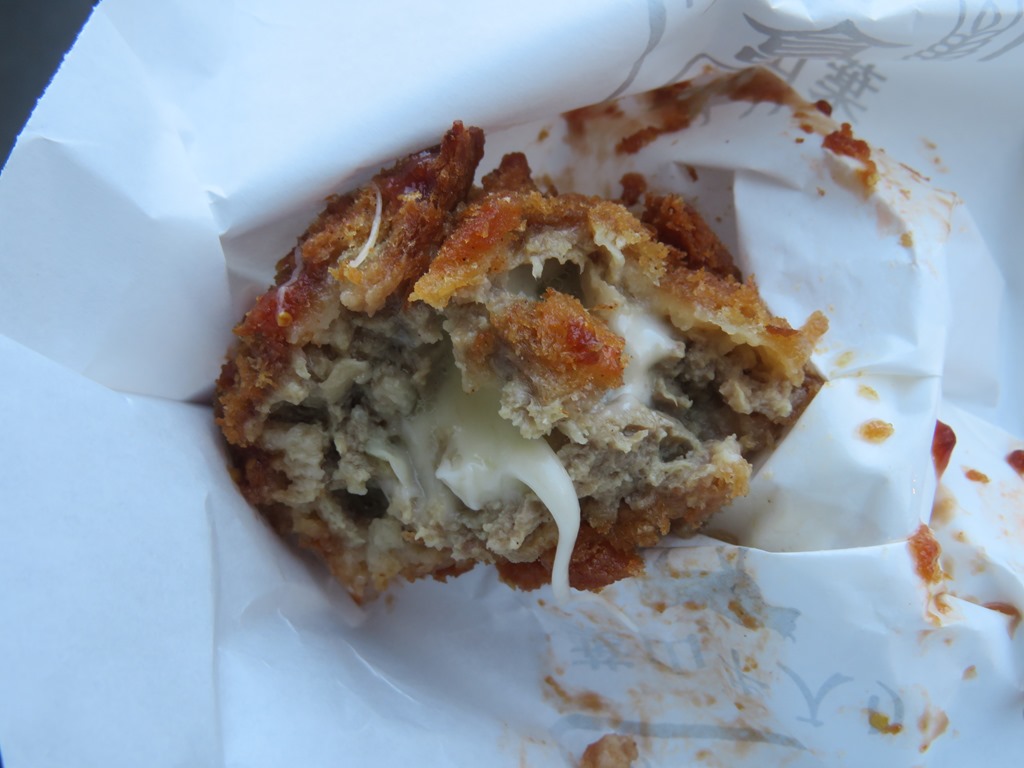
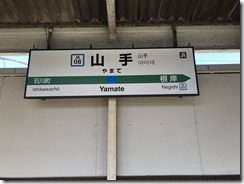
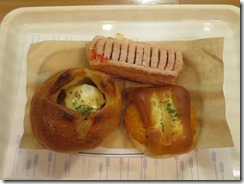
When I left the park, I walked (downhill all the way – the up side of having to walk uphill to reach the park) to Yamate Station, where I hopped back in the Negishi Line and headed a few more stops to Shin-Sugita Station. While there, I paused for lunch at a Vie de France bakery – it’s a Japanese chain which bakes lots of interesting breads similar to Bread Top in Australia. I had one called “Baked Potato” (which I’d taken to be maybe a potato-based bread made in a potato shape, but which turned out to contain an actual whole baked potato), a Hokkaido Potato Croquette bun (getting that carbs theme here), and a “Sakuramochi-style pie” (very tasty).
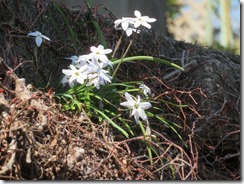
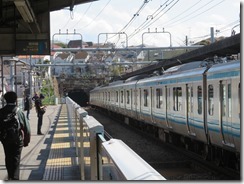
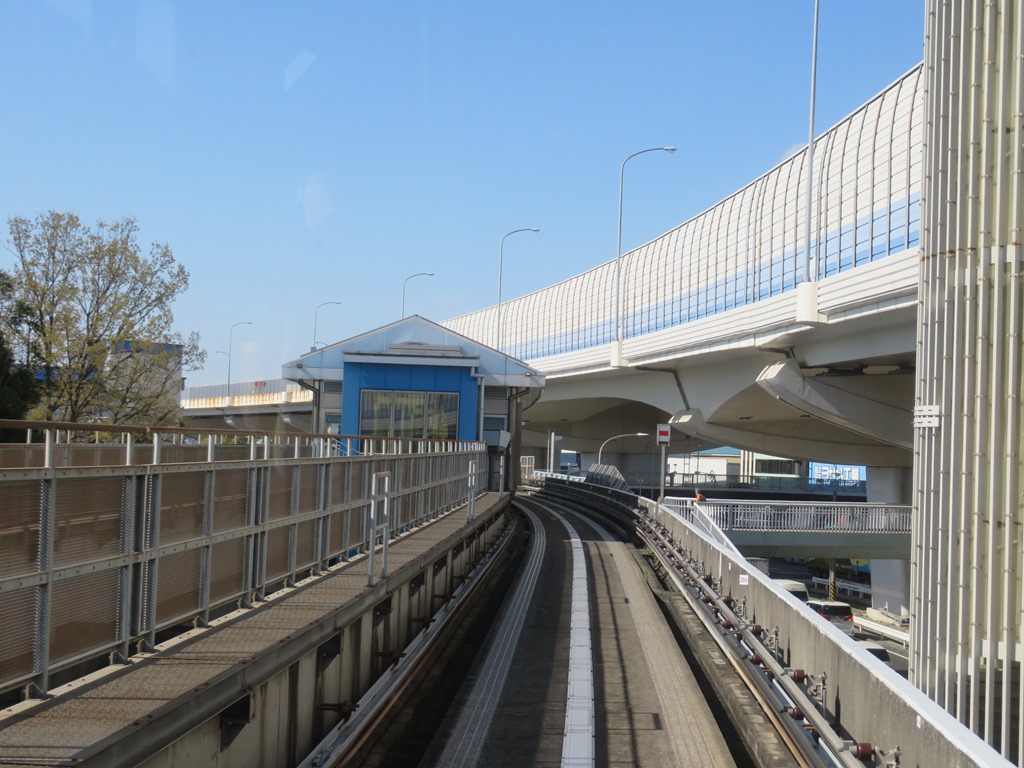
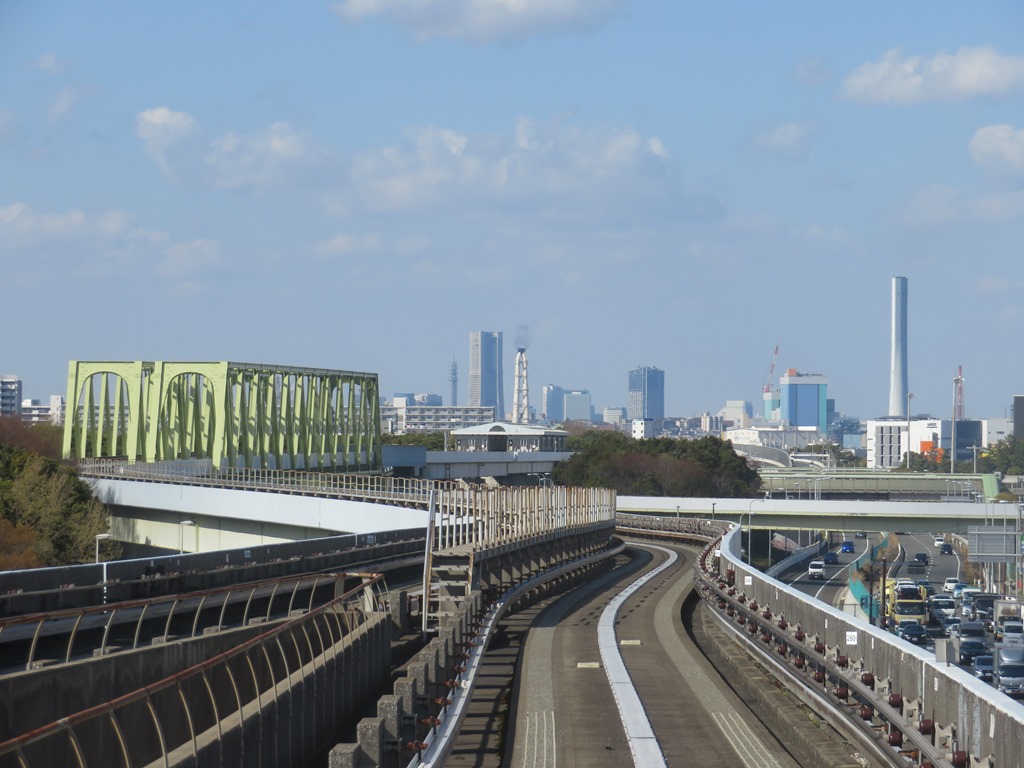
After lunch, I changed to the Seaside Line, a driverless guideway transit, which runs roughly along the coastline. I sat in the driver’s seat (albeit at the back, because the front one was taken by a kid) and got a lovely view. Though I was so distracted by the view that I wasn’t paying attention to how far we’d gone, so when we pulled into a station and I glanced up to spot the name of the station I was planning to get off on the station’s signboard, I hurriedly jumped off… only to discover (after the train had pulled away) that I was looking at the next station indicator rather than the current one, so I had to waste ten minutes waiting for the next train.
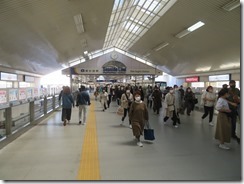
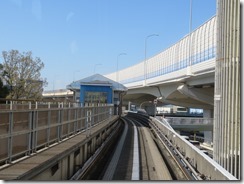
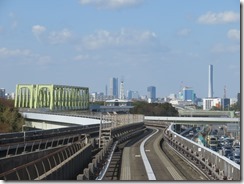
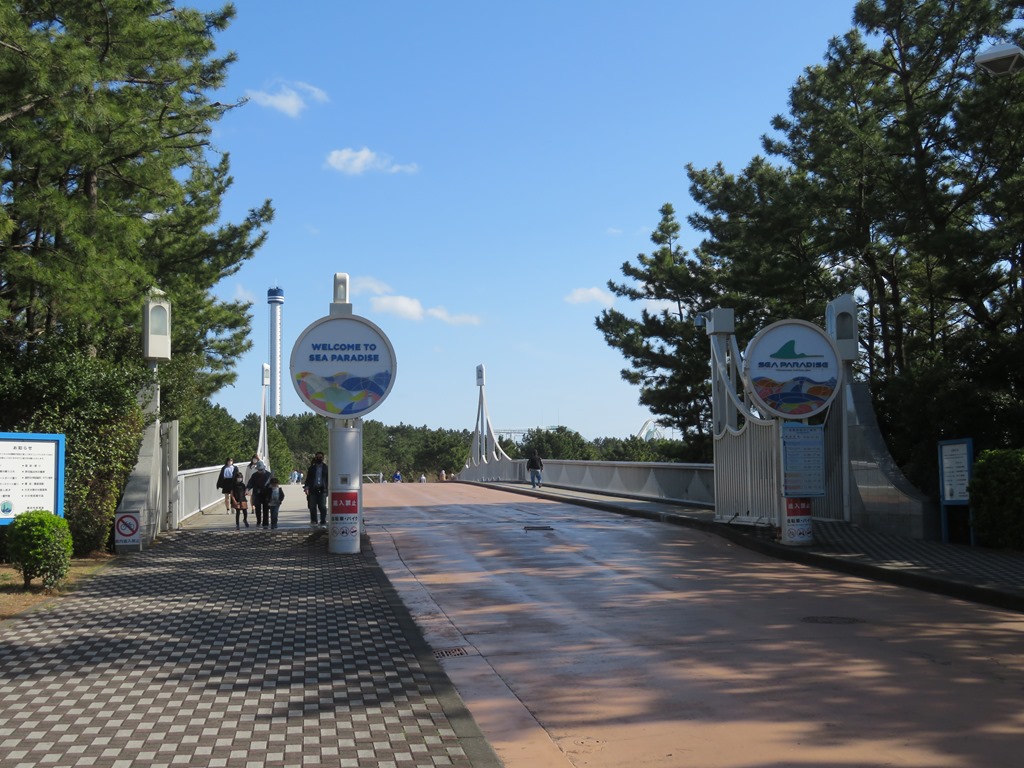
My destination here was Yokohama Hakkeijima Sea Paradise, an island (Hakkeijima) containing an amusement park consisting of an aquarium, shopping mall, hotel, marina and rides. My target here was Dekkai, a huge 3D maze made of wood. I’ve forgotten how I came across this place originally (though one very much like it appears briefly in in a manga called Komi Can’t Communicate), but it looks like fun. They’ve got three different courses – the Adventure Course, which has more adventurous elements in it, the Fantasy Course, which has more… fantastical elements, I guess?, and the Mystery Course, in which you have to solve puzzles.
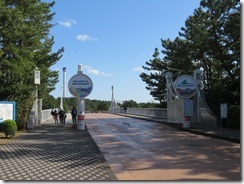
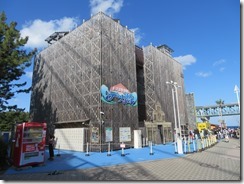
But, ah. It was closed. For refurbishment and inspection. In all my research, I never considered the possibility that it might just plain be closed. Neither did Google Maps, which still says it’s open today. Even its own website doesn’t mention that it’s not open. Rather a shame.
(Actually, speaking of solving puzzles, the company that makes the Tokyo Metro Underground Mysteries has also released another one that’s kinda similar, but intended for exploring Yokohama on foot. I considered buying it to play today, but I decided I’d prefer to go my own way.)
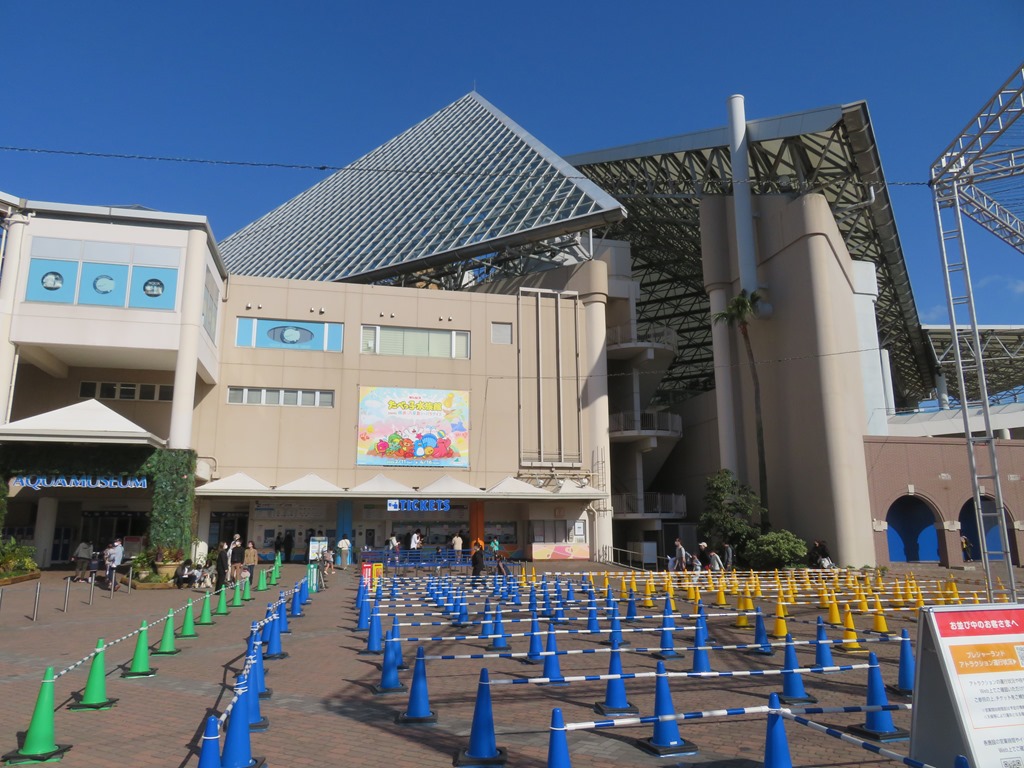
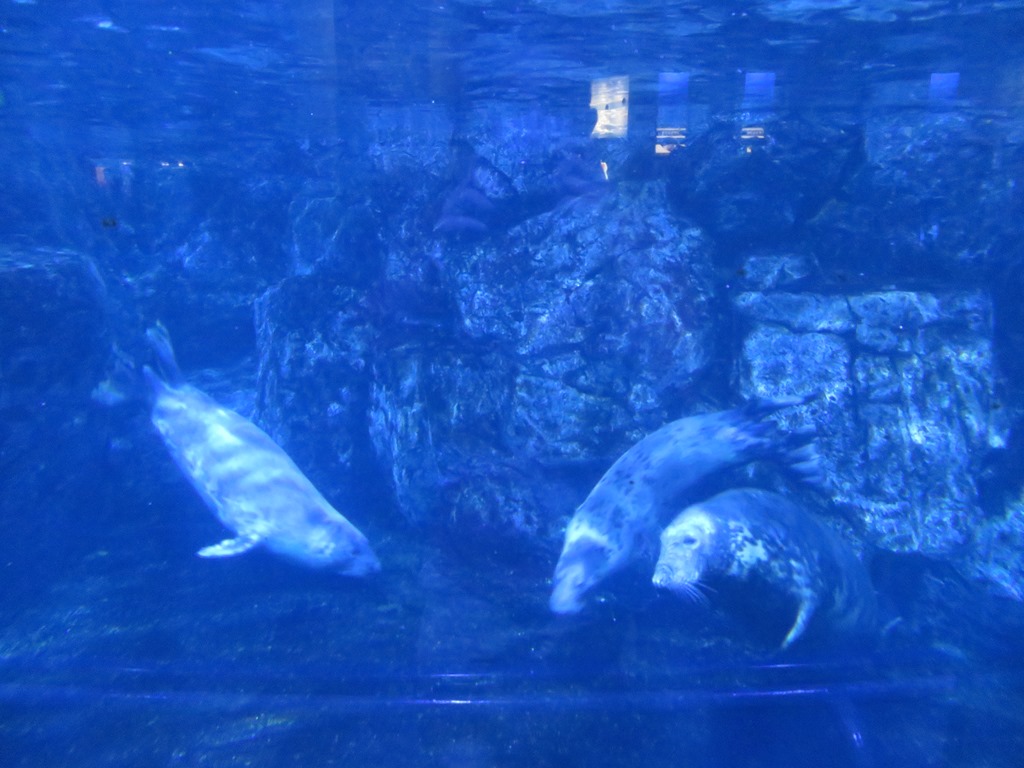
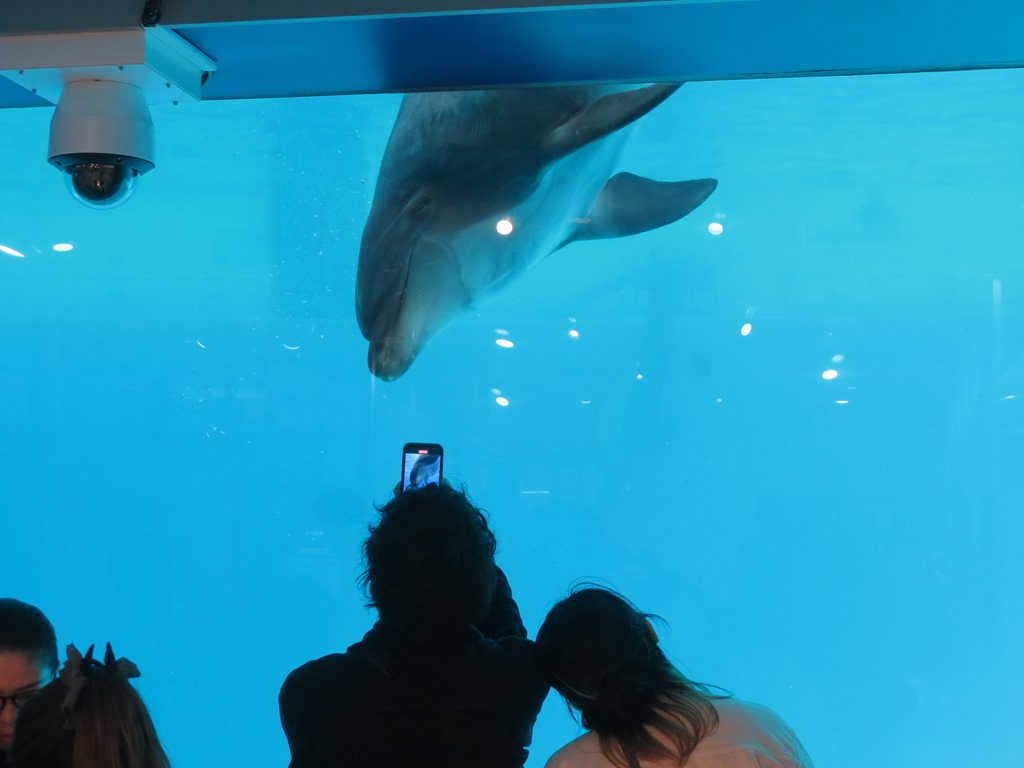
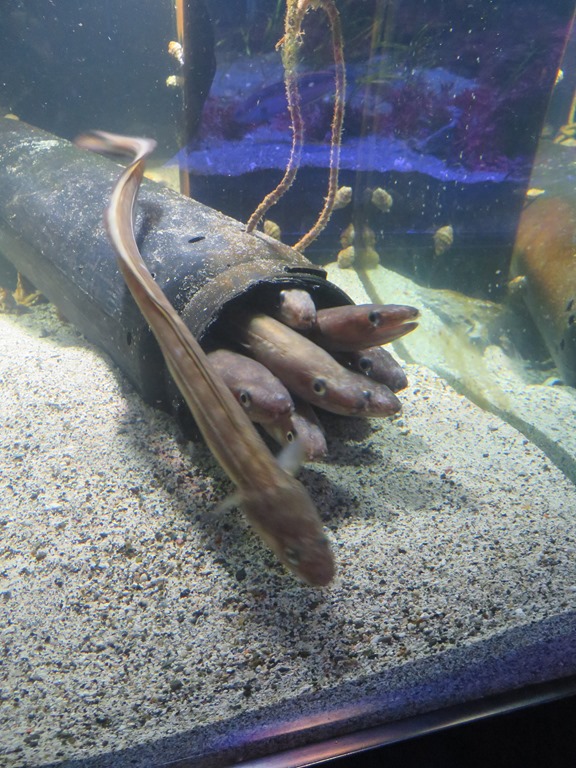
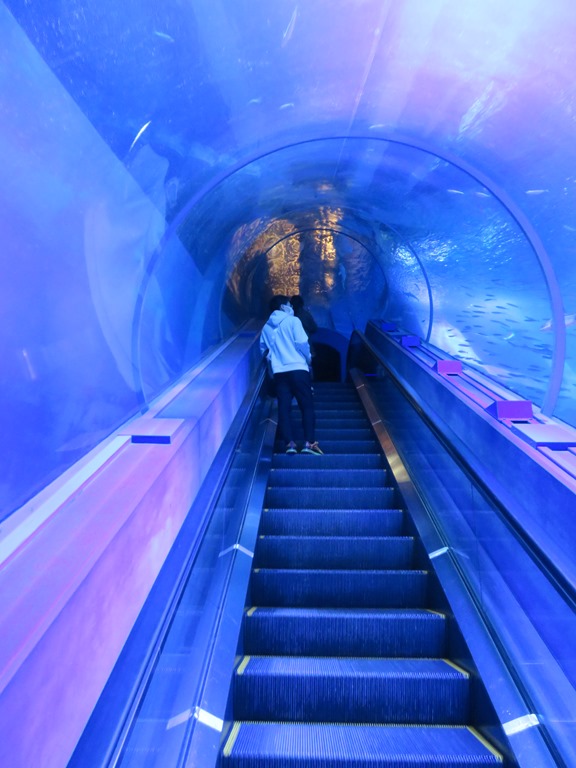
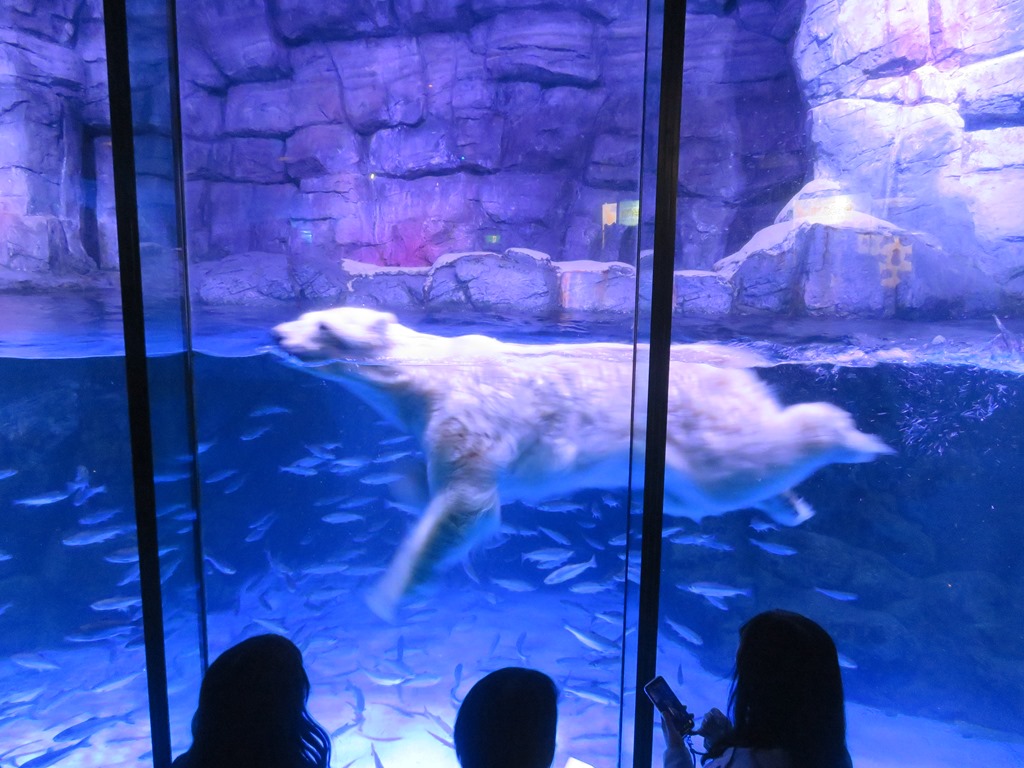
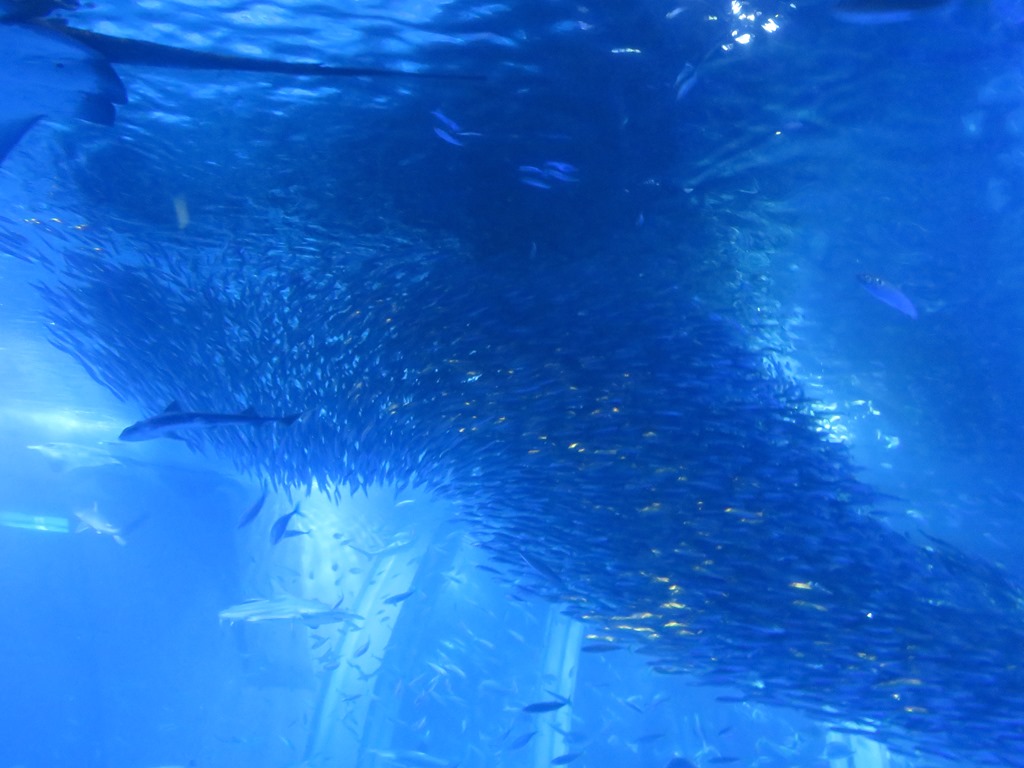
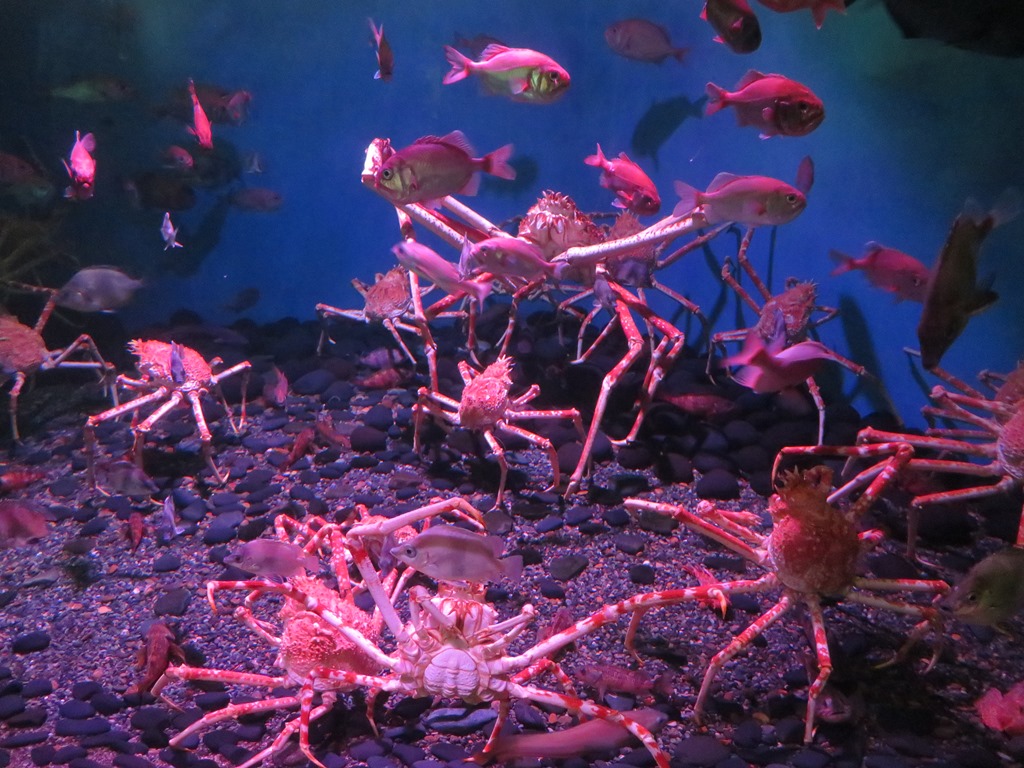
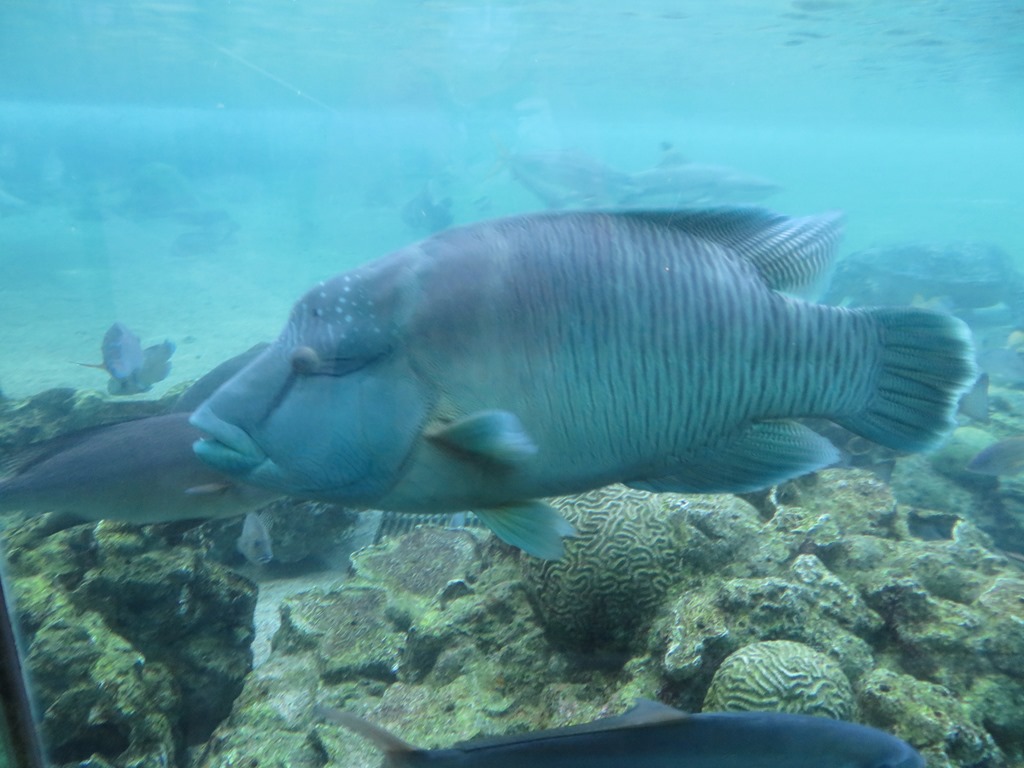
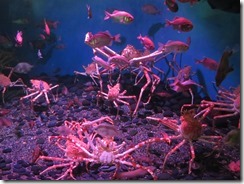
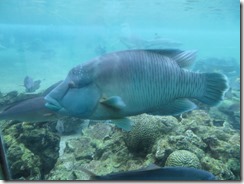
Instead of Dekkai, I decided to head for the aquarium (or “Aqua Museum”), one of the main features of the island – it’s the big glass pyramid visible a mile off. At 3300 yen to enter, I’d thought it was a bit steep, though turns out it’s actually cheaper than Sydney Aquarium, and covers you for three other locations in the park at the same time (though I didn’t visit them, so I guess I didn’t quite get the value for my money).
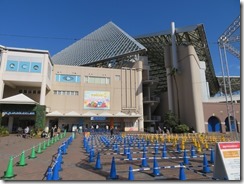
It wasn’t bad on the whole, but I rather wondered if maybe some of the tanks were insufficiently sized for their contents (though I admit I’m not an expert on appropriate aquarium tank sizes).
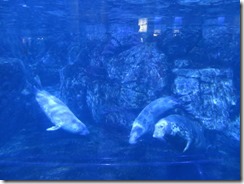
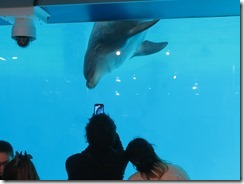
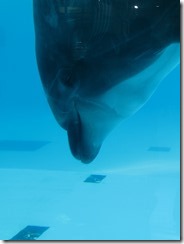
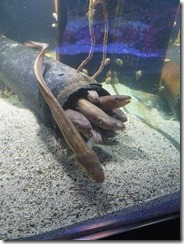
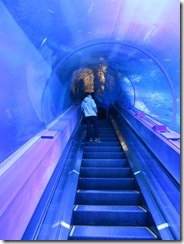
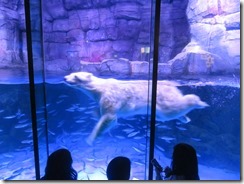
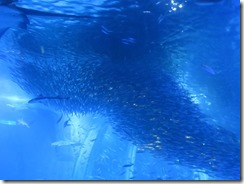
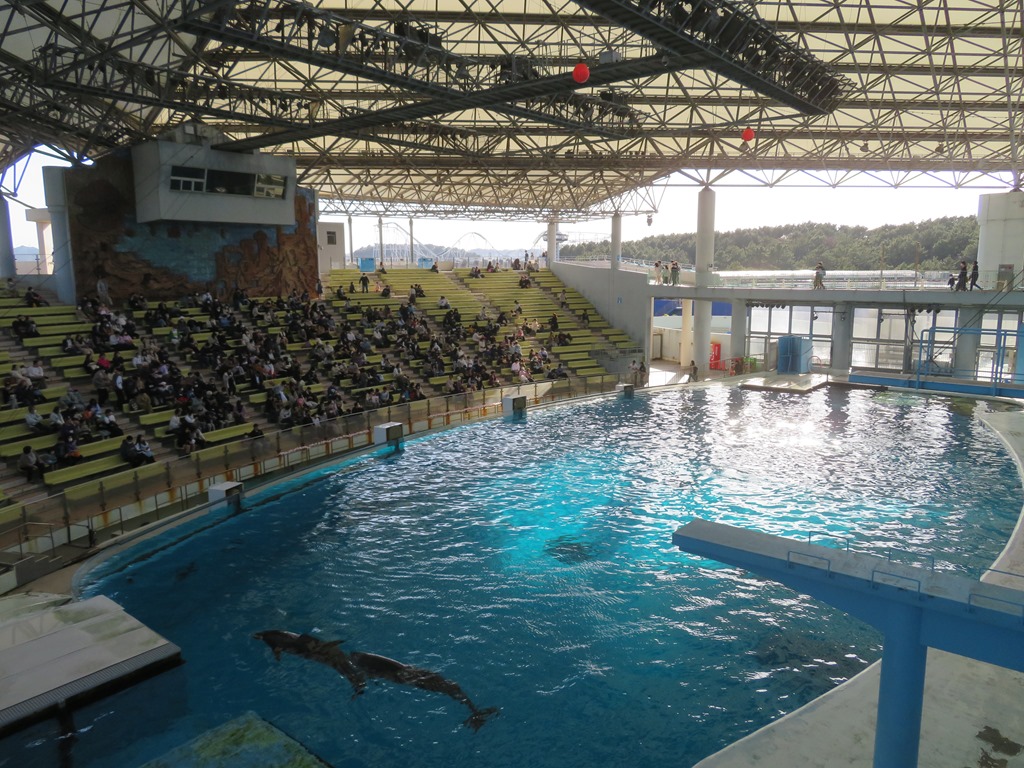
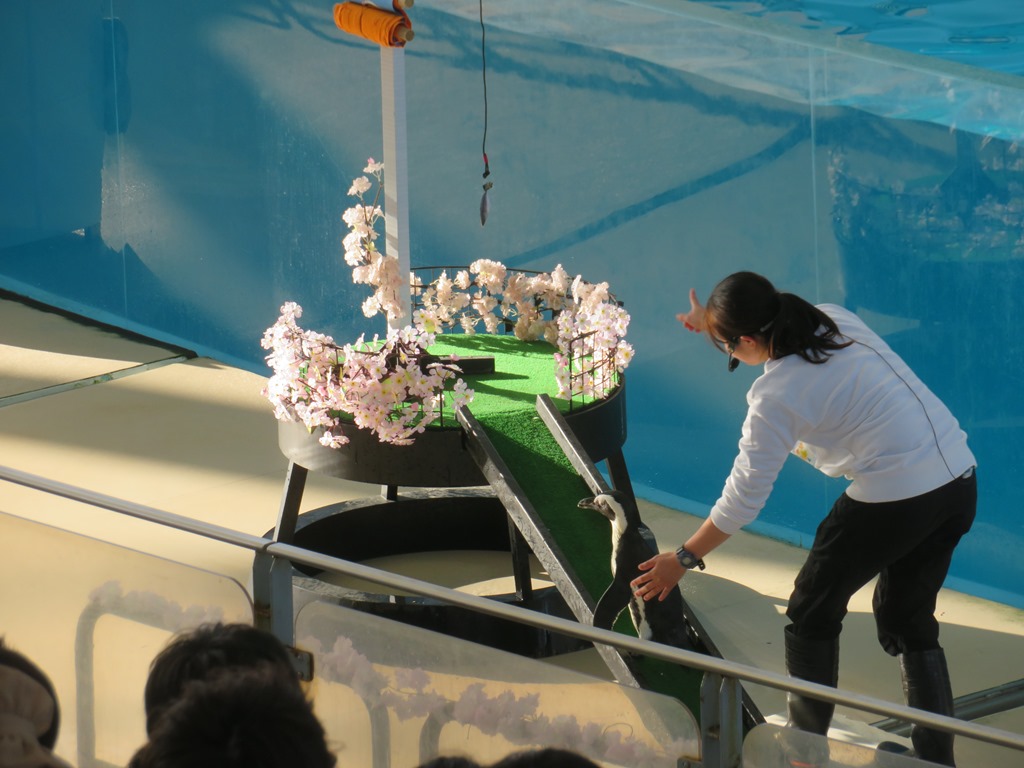
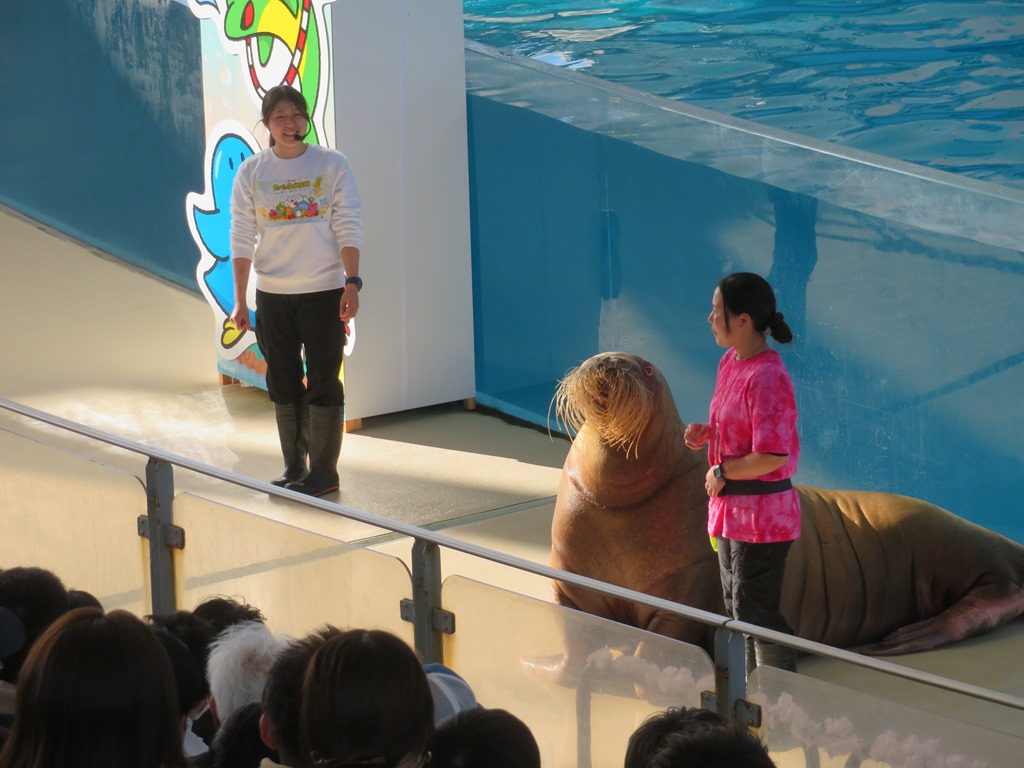
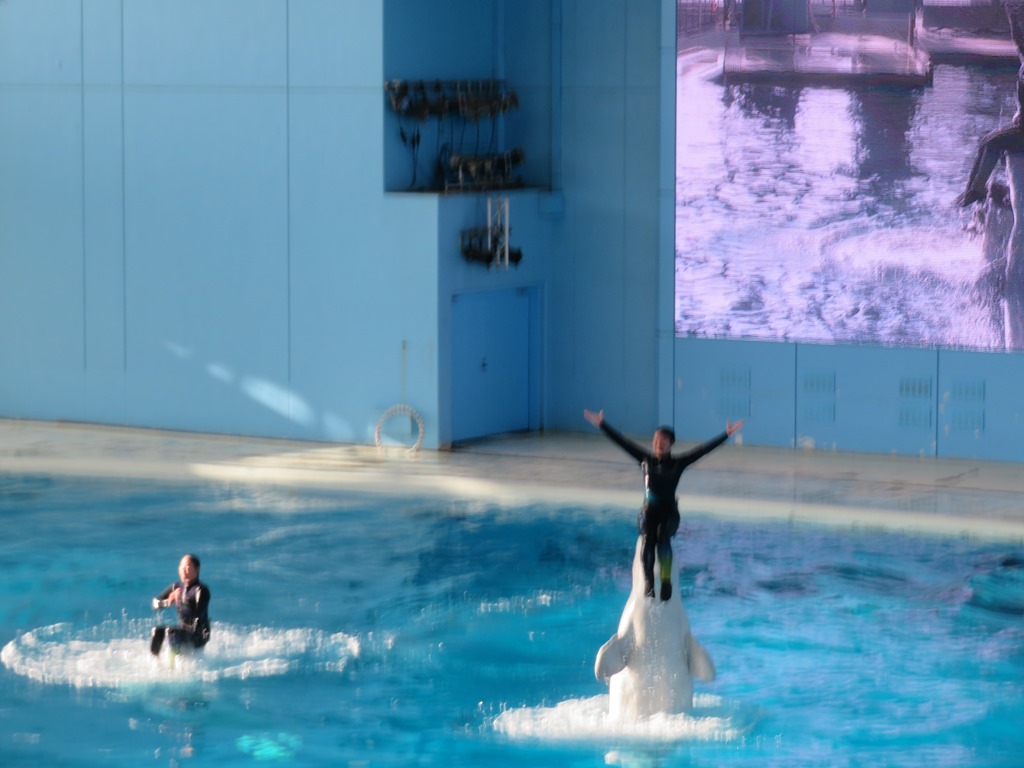
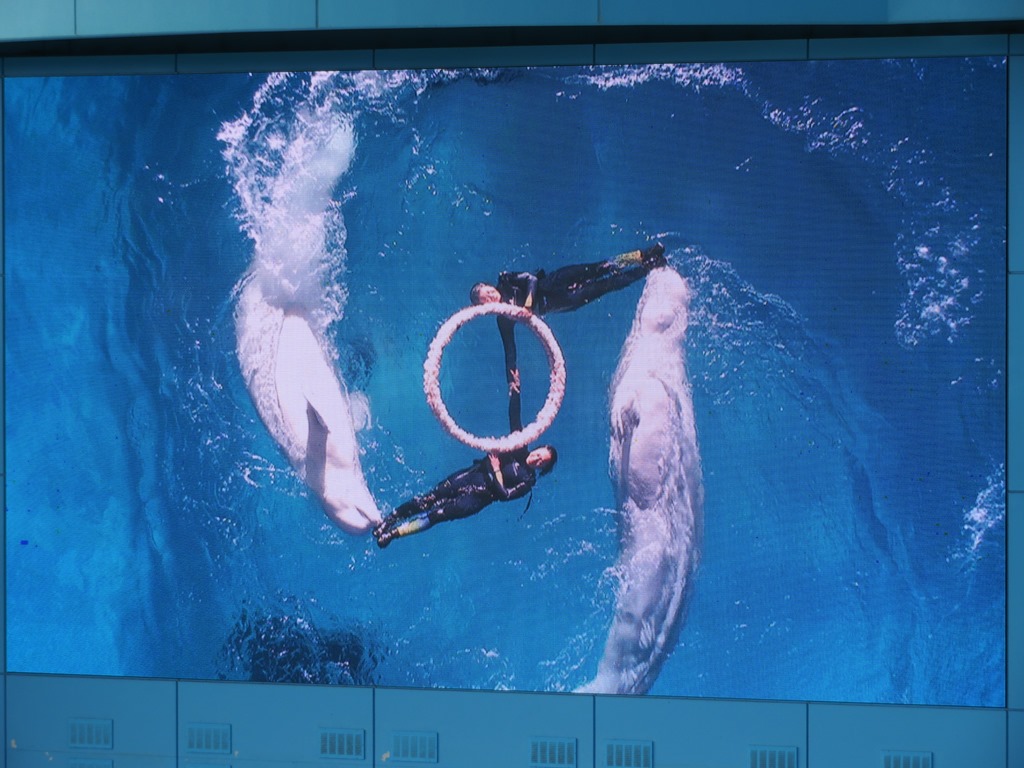
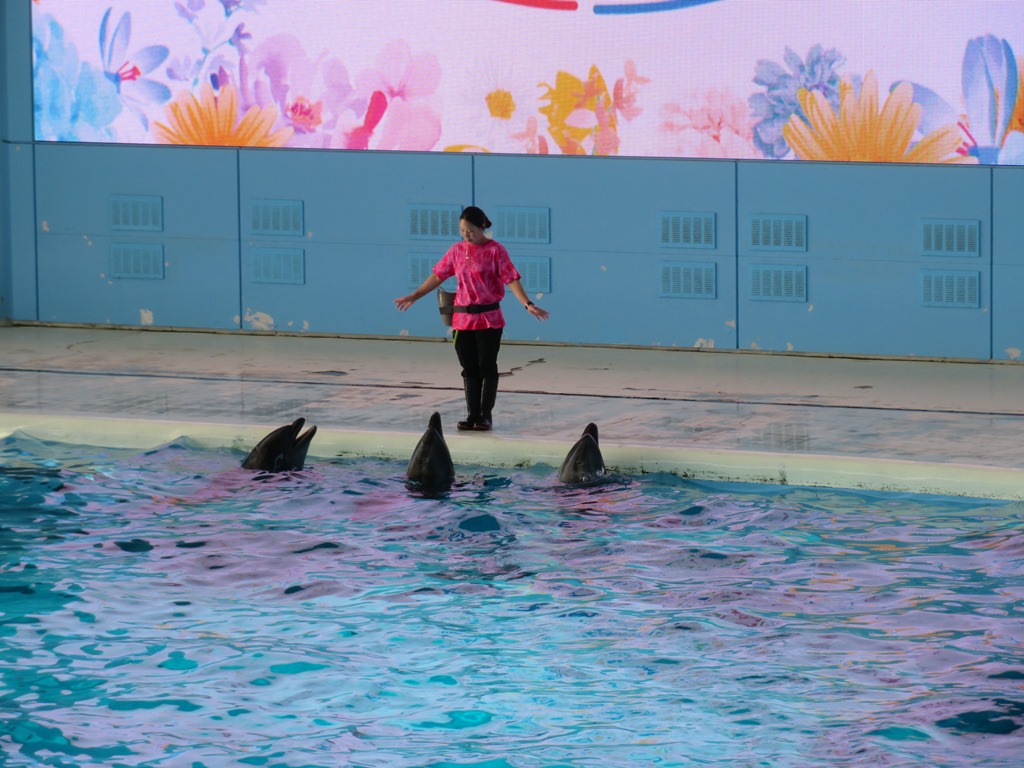
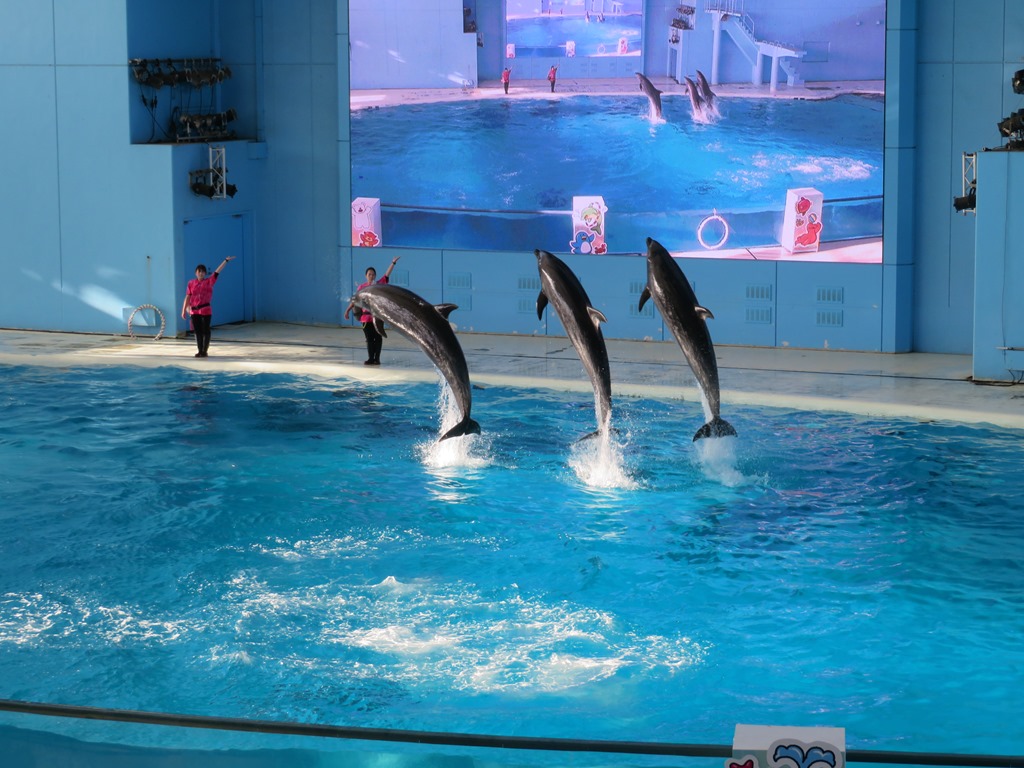
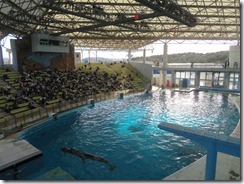
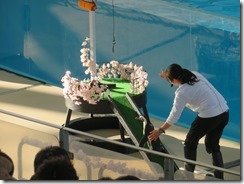
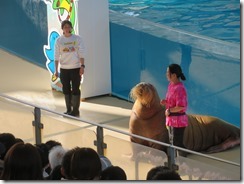
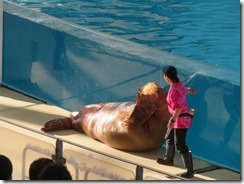
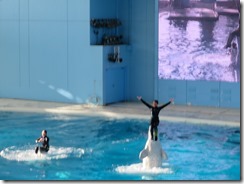
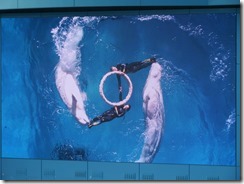
I wandered through the whole thing, following the designated route, and emerged on the roof (beneath the glass pyramid), finding the Sea Creatures Show arena filling with people – seemed there’d be a show starting soon. It was quite an impressive show. Opened with a single penguin, who didn’t seem to want to perform today, then a large sea lion (or maybe a walrus?), a pair of beluga whales who pushed their trainers around in the tank with their noses, then two different species of dolphins who jumped all over.
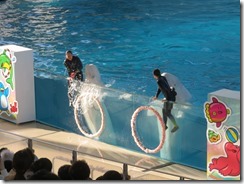
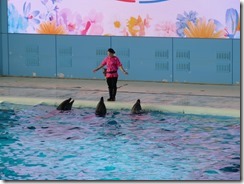
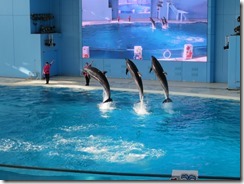
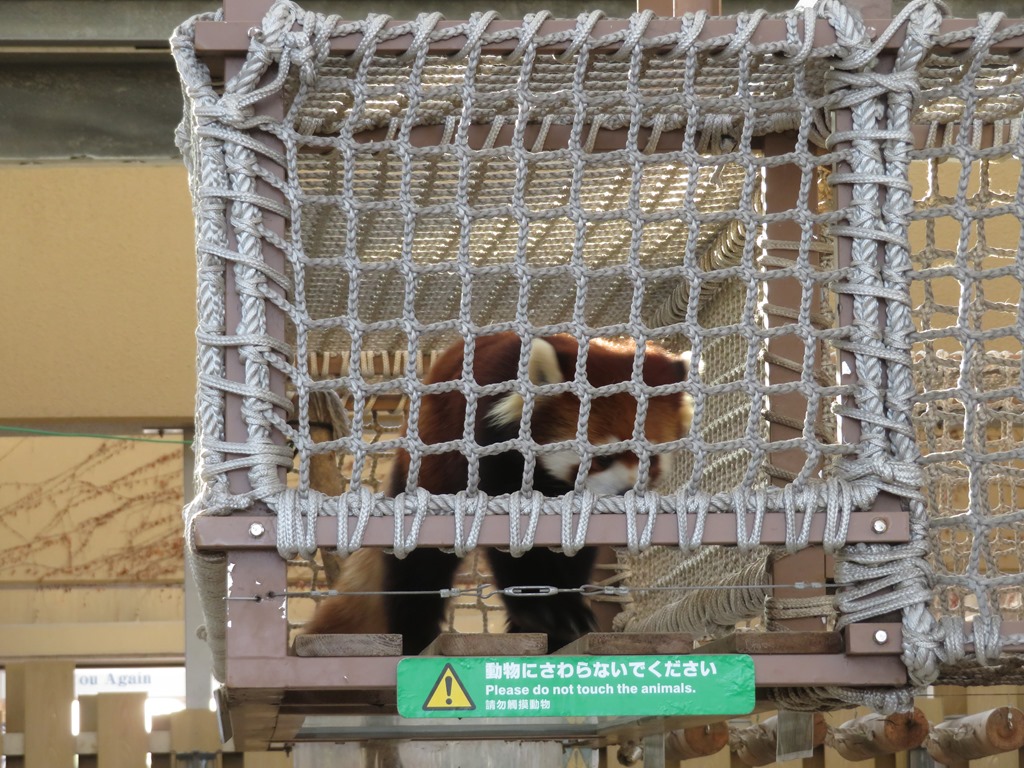
When the show let out, I hastily scrambled over to the other half of the roof, a smallish zoo with mammal exhibits – and most importantly, red pandas. That said, one was contained in display box so the audience could see it, and I really didn’t think it looked comfortable in there, clearly wanting to get out (and I’m not sure it had anywhere private it could hide). There was another pacing around in a little run that went over the crowd’s heads.
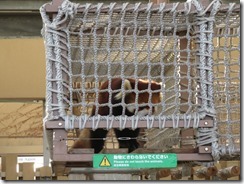
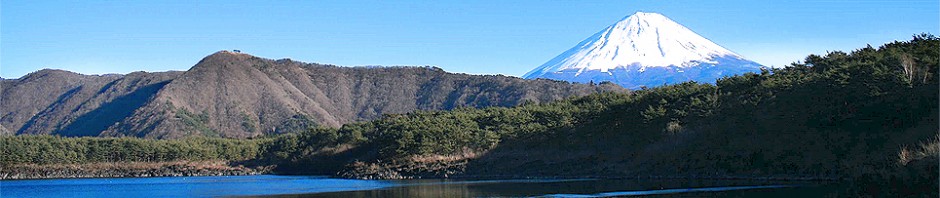
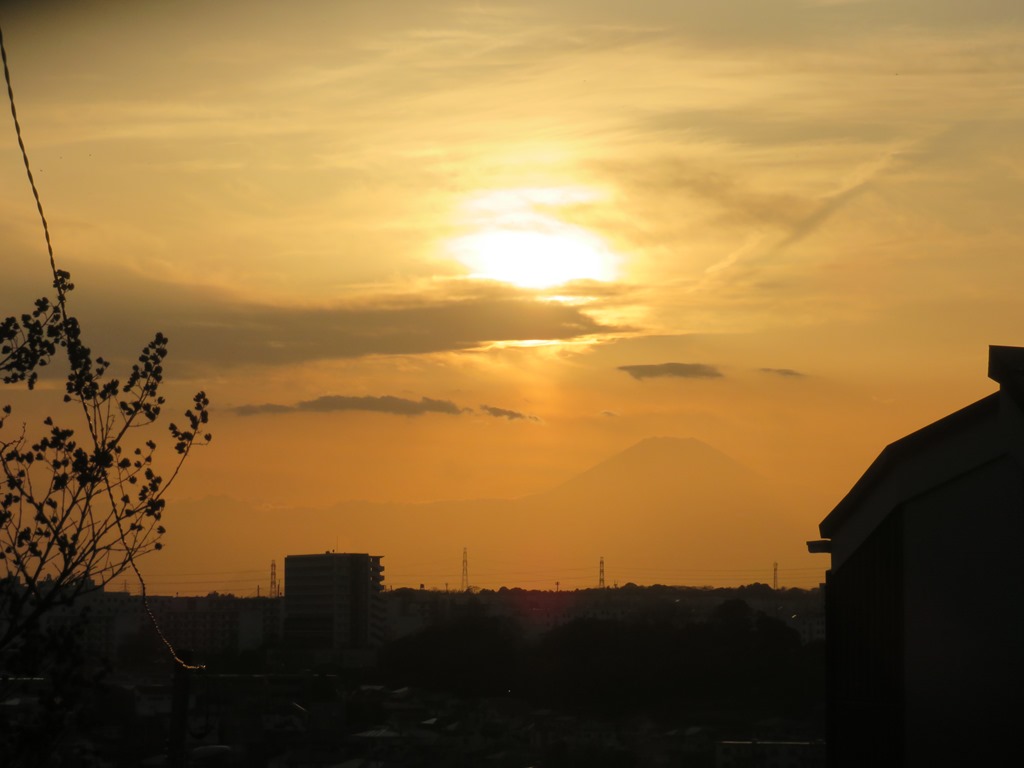
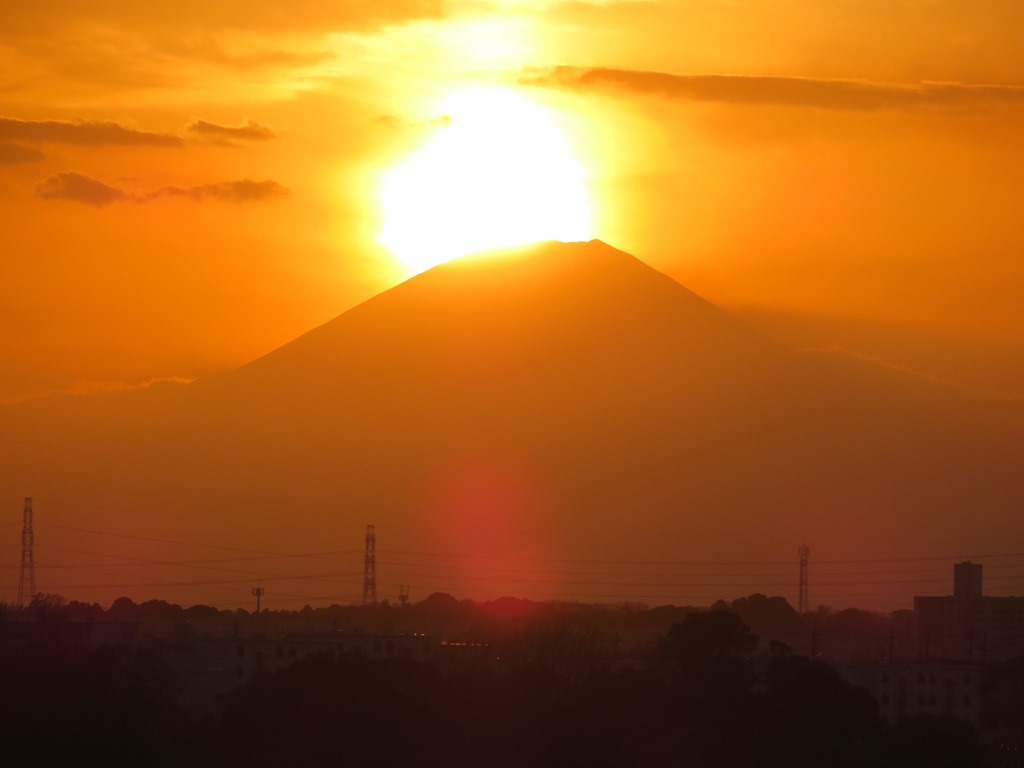
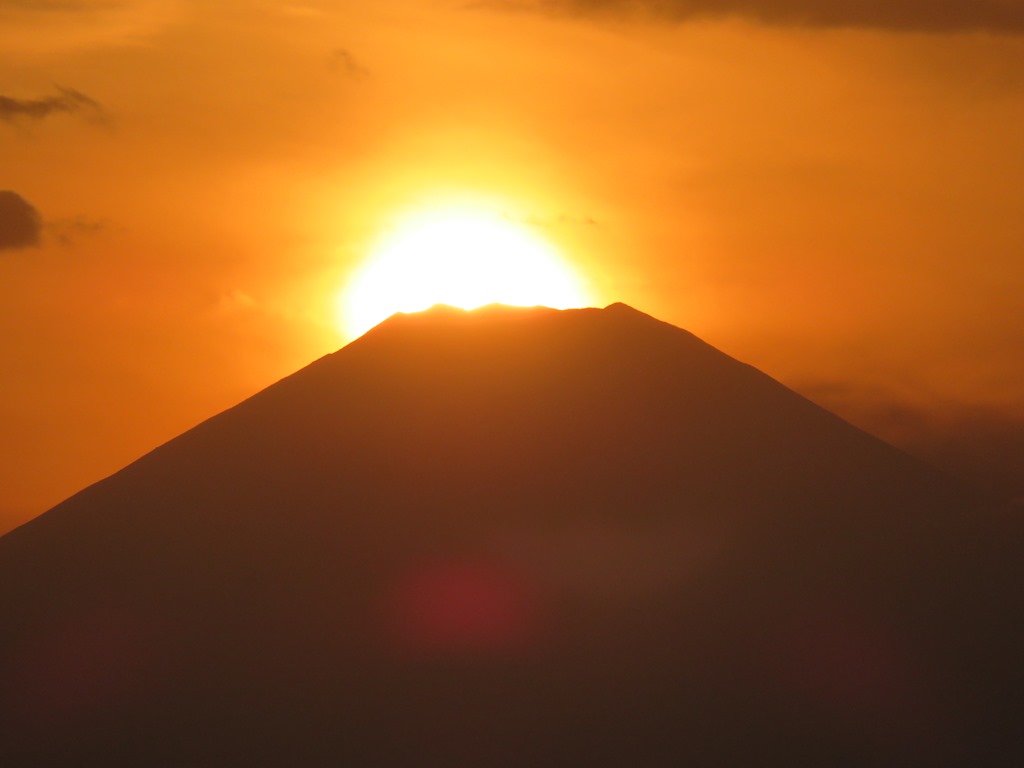
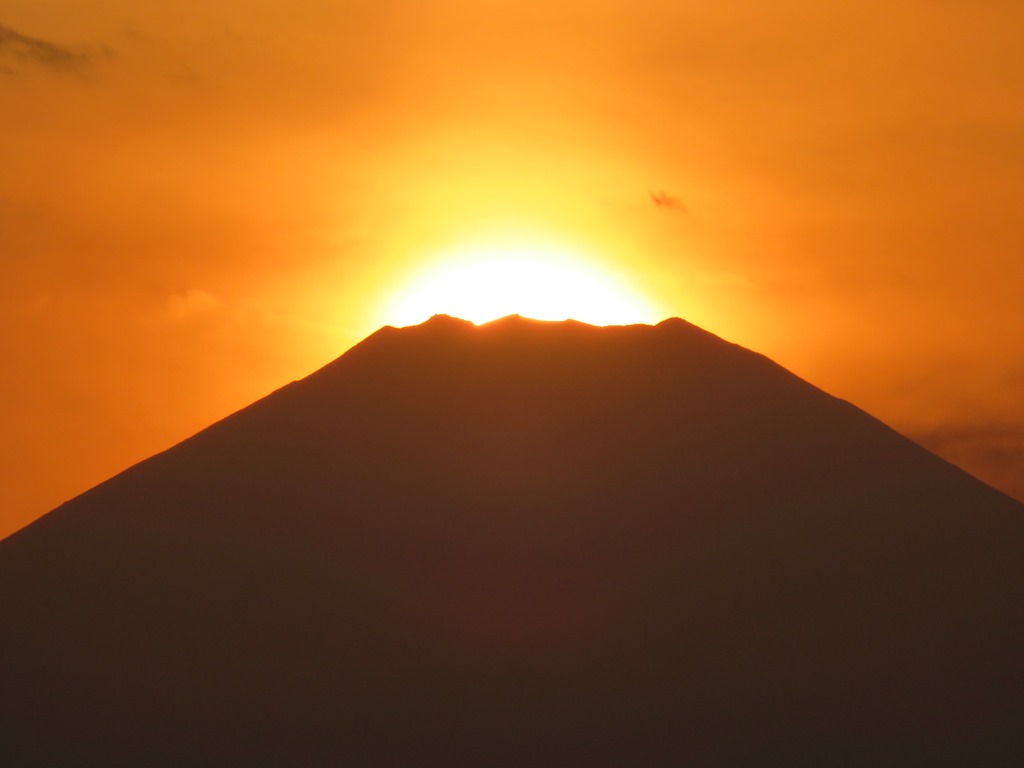
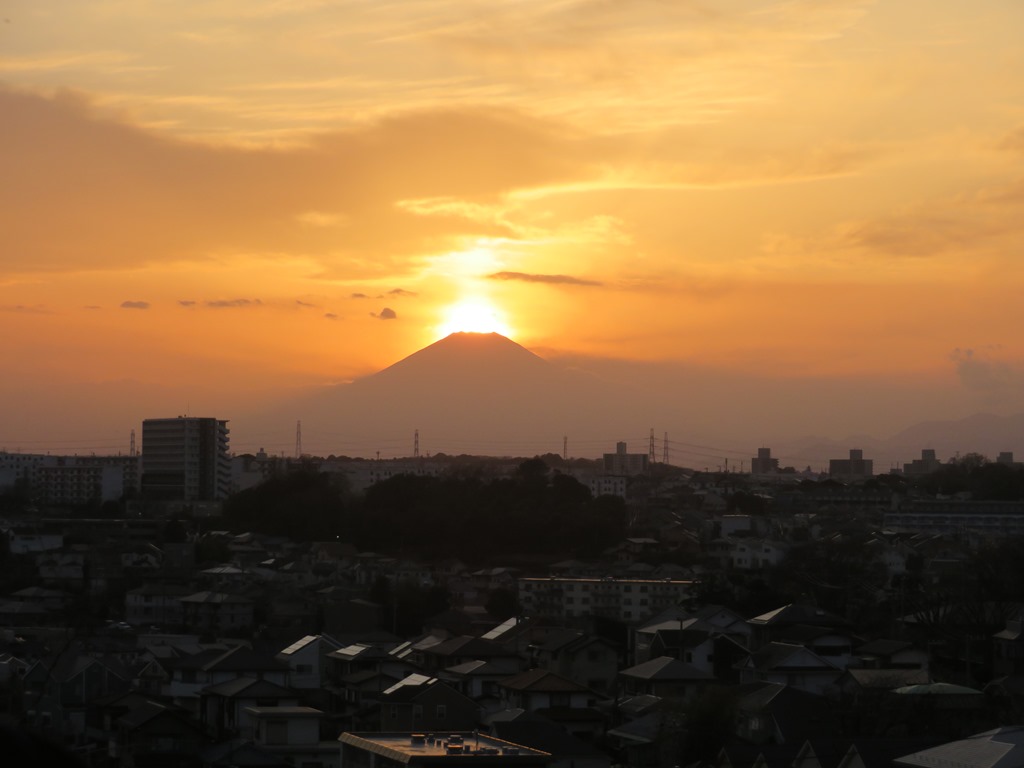
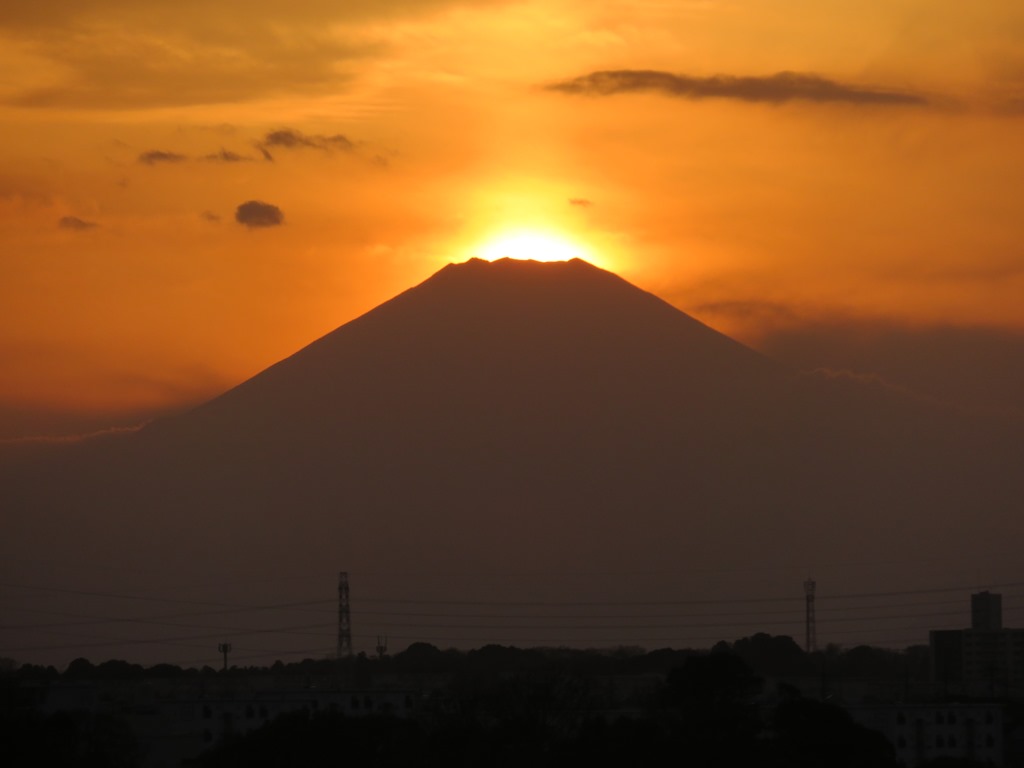
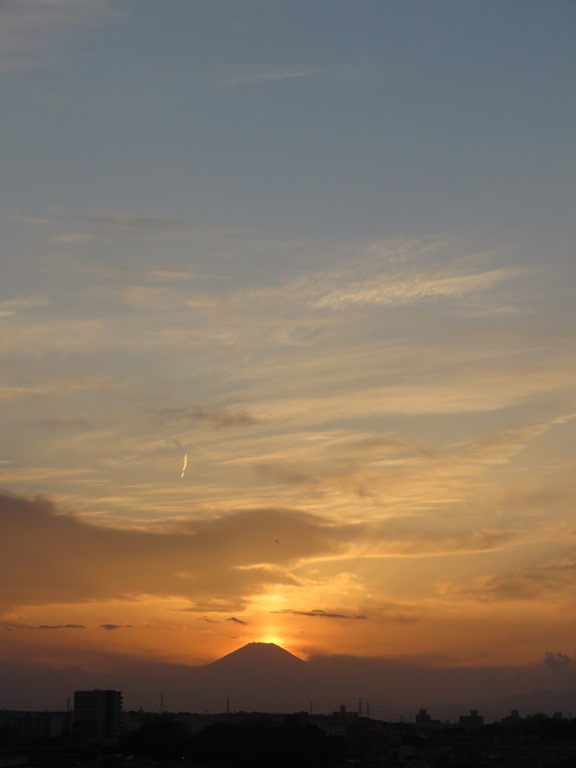
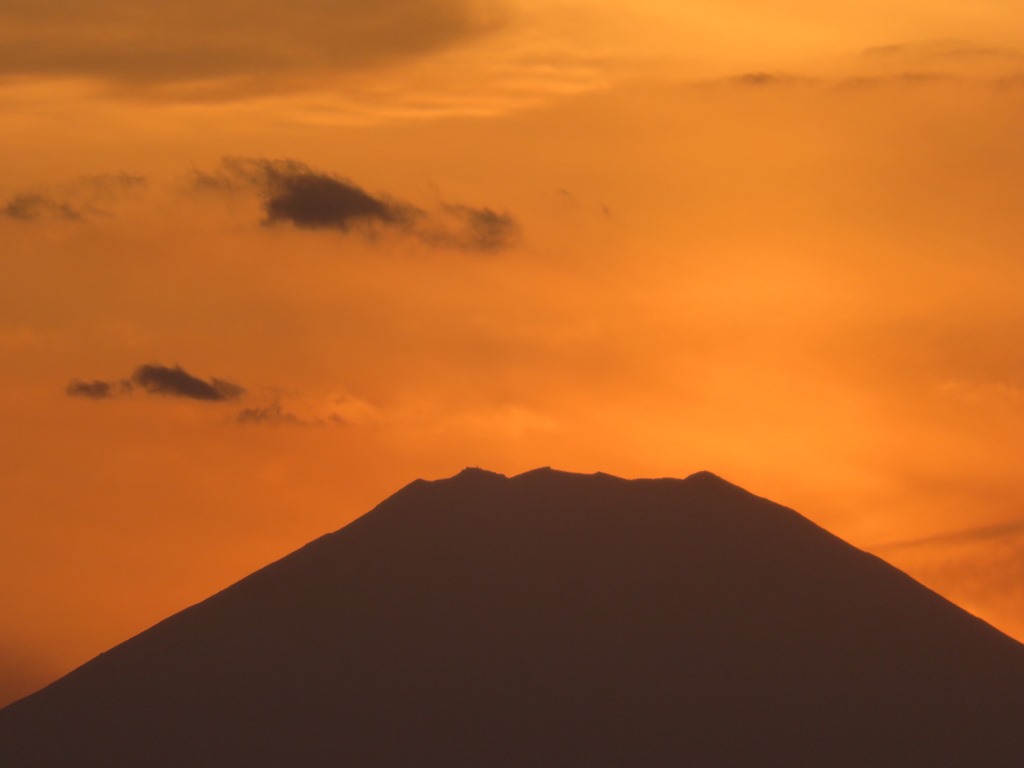
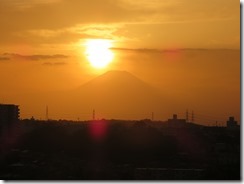
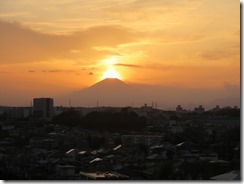
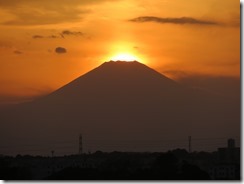
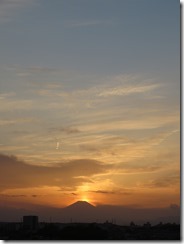
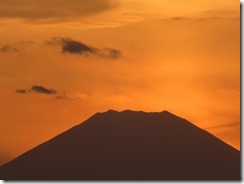
Only had a few minutes there before it was time for me to leave for my next (and last) attraction for today: sunset. As previously mentioned. And this was a special sunset. See, when the sun sets (or rises) directly behind Mount Fuji, that’s a phenomenon known here as Diamond Fuji, because Fuji sparkles like a diamond. One of the places I’m visiting later this trip is a popular location for a sunrise Diamond Fuji, but unfortunately the right time for that was a few days ago – the sun’s moved. While researching other options, I discovered that today, there’s a sunset Diamond Fuji visible from a park here in Yokohama. And conveniently, it’s a short walk from Sugita Station on the Keikyu Line, which is where I was already going to have to change trains when returning to my hotel from Hakkeijima. I’d already calculated how long it’d take me to get there, and set an alarm for when I’d have to leave to arrive in time.
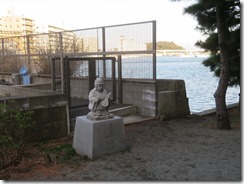
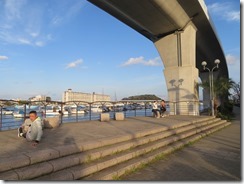
So first I hopped on the Seaside Line and continued to Kanazawa-Hakkei Station, completing my trip along the entire length of the Seaside Line. After disembarking, I realised I was a few minutes ahead of schedule, so I popped down to the street for a very quick visit to some locations that appeared in another anime called Bocchi the Rock (very funny – you should watch). Happened to run into someone else also taking photos for the exact same reason (though he was equipped with screenshots to compare, unlike me). Would have liked more time to explore there, but time and sunset waits for no man, so it was off to the Keikyu line for me. For those in the know, these are the locations (albeit terribly photographed):
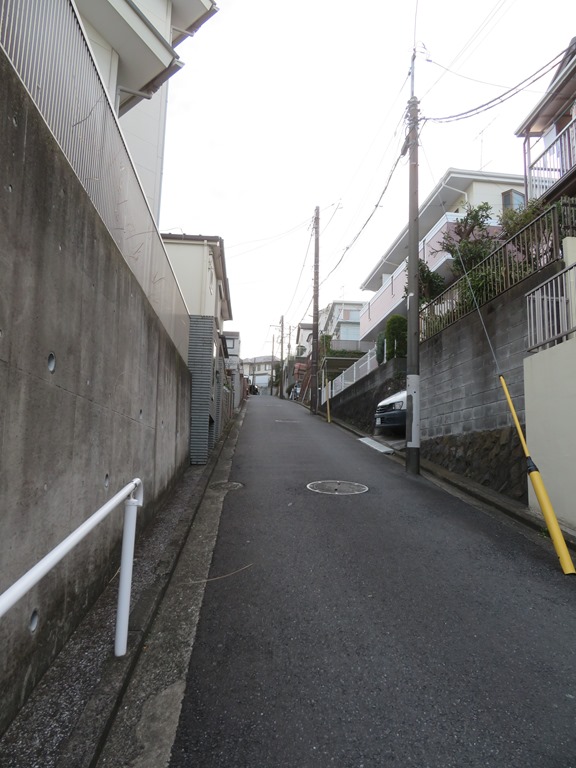
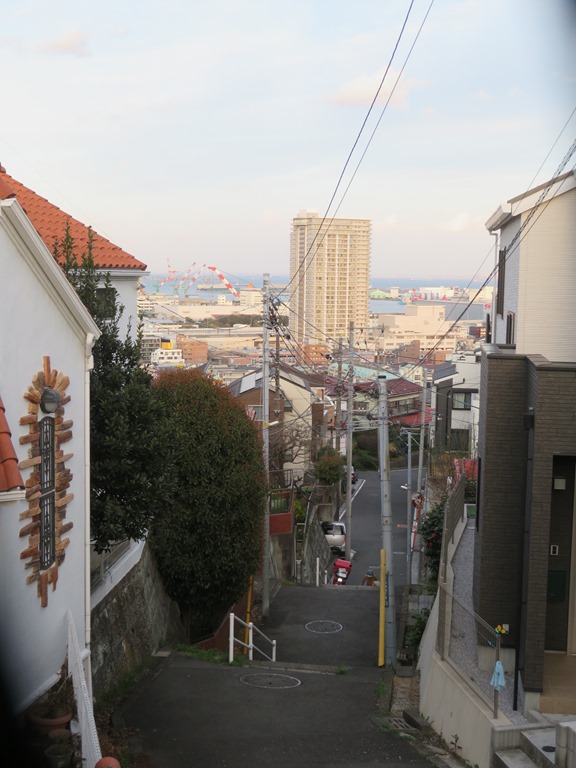
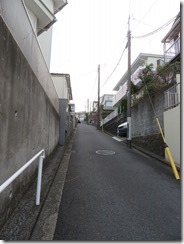
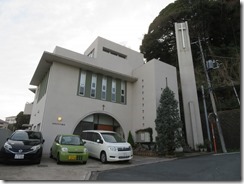
Hopped off at Sugita Station, and turned to follow the route Google Maps had charted for me to reach Marunouchi Park, my destination, and looked up… and up… and up… to see a ridgeline far above me, buildings perched upon its edge. No wonder this specific park was supposedly the perfect location for Diamond Fuji – it appears to be perched atop a spike (slight exaggeration) of earth that towers far above the surrounding land. And oh boy was it a hike to get there. Stairs, streets so steep I don’t see how a car could get up, stairs, streets so narrow there’s no way a car could fit, and also stairs.
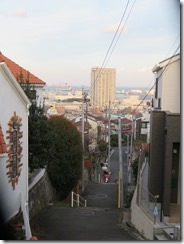
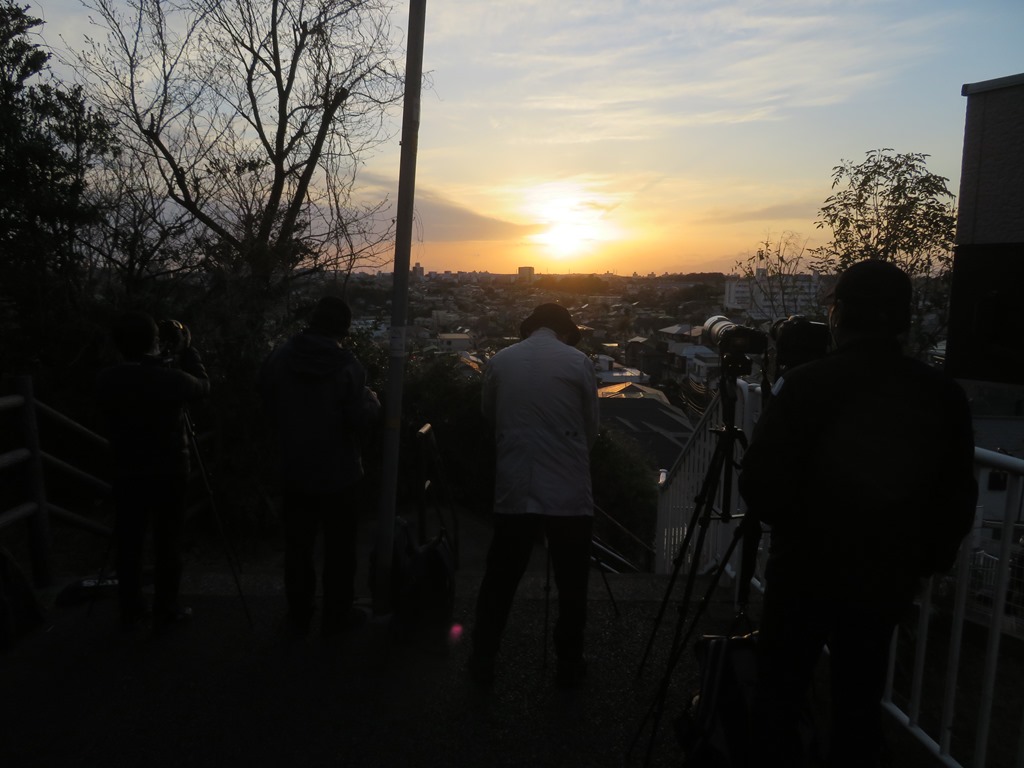
Finally reached the park, huffing and puffing, but with minutes to spare. There were at least a dozen other people there, all with cameras and tripods ready (though I didn’t spot all of them until it was over). And I was astonished by how large Fuji-san looked. I was kind of expecting a little triangle on the horizon, but it nearly dominated the view. It had become a bit hazy in the evening, but it was still easy enough to see what was going on. This is definitely the greatest distance I’ve managed to see Fuji-san from.
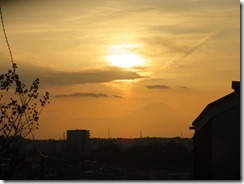
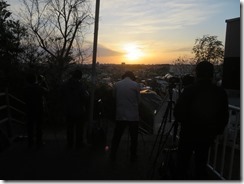
With the haze it was less like a diamond and more like Fuji-san was erupting in reverse, but it was still pretty spectacular to watch. Almost thought it was going to miss the mountain at first, that I’d come on the wrong day, but I guess that’s just the angle the sun sets at here around this time of year.
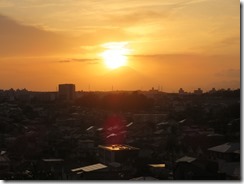
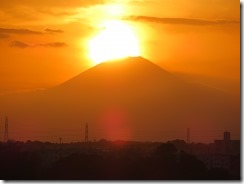
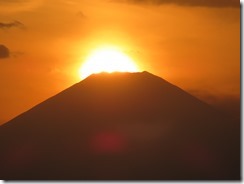
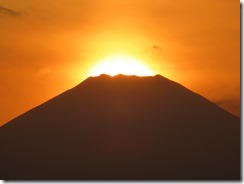
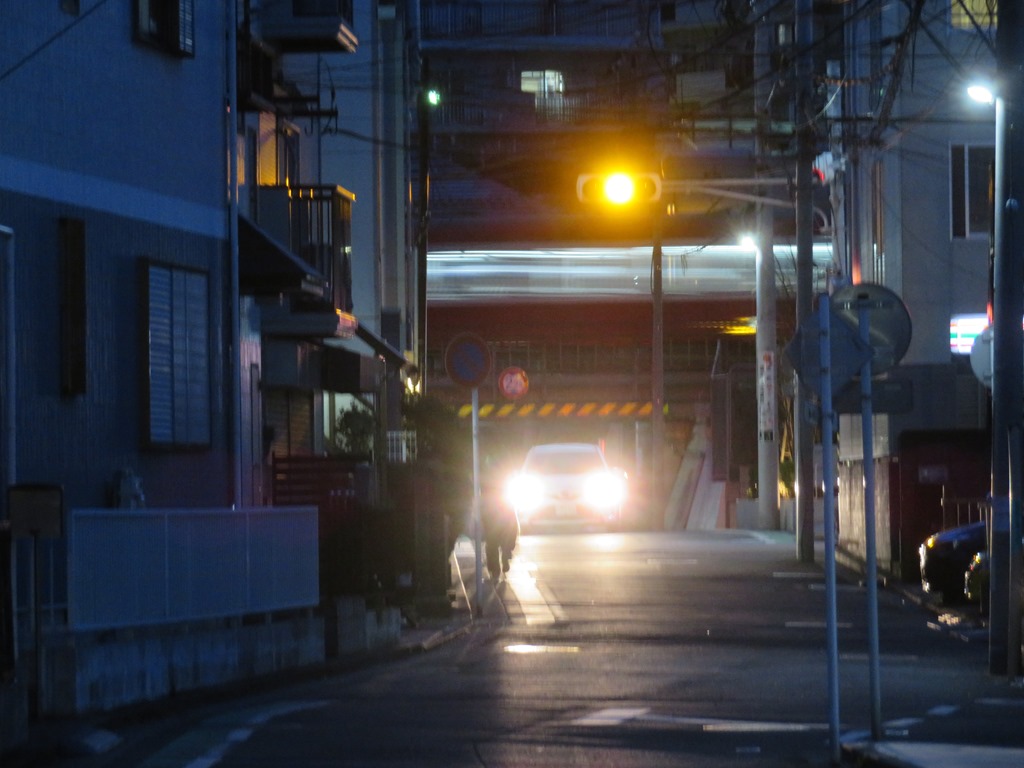
Downside of watching the sunset, though, is having to find your way back in the dark. Or twilight, which soon became dark. I was walking down one fairly picturesque street thinking how nice it’d be if the street lights came on for some more fancy photos, when the street lights came on. Though it was still a bit too bright out for them to make much of an effect on the photos, and I didn’t really feel like waiting around for more darkness.
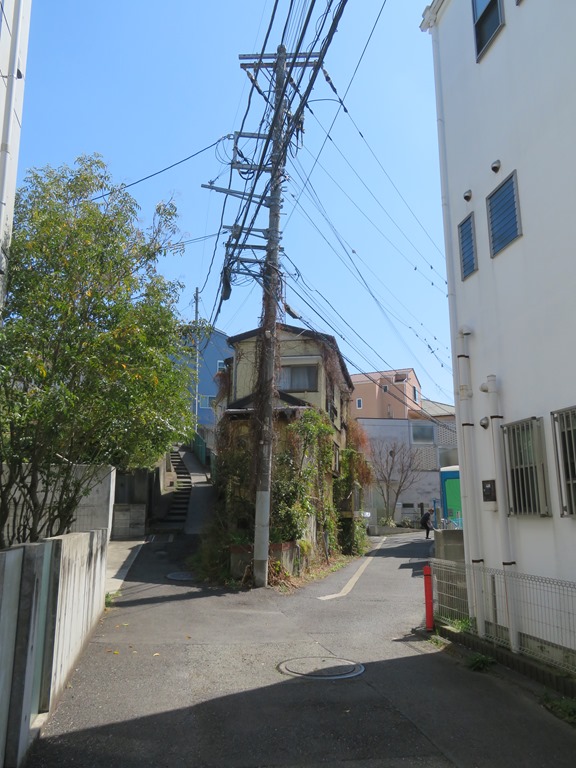
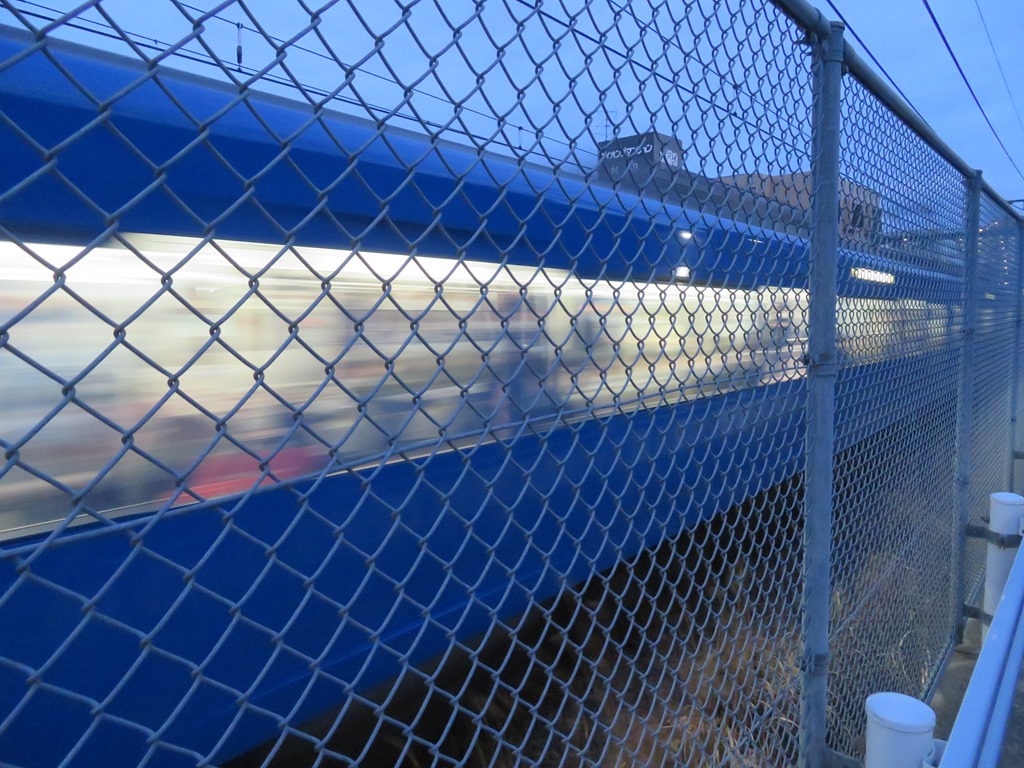
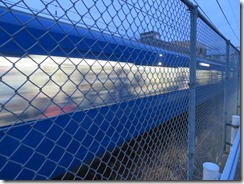
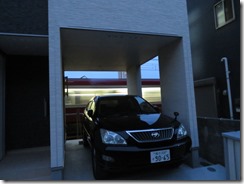
Can’t really imagine living in that area. Many houses can only be reached by stairs. You can walk to the station, yes, but it’s a very uphill walk all the way home again. Even walked down one street of houses which backed onto the Keikyu railway line, and the houses were so narrow that a car parked in the parking bay underneath stuck out at both ends – honestly don’t know how they put up with the express trains running through at almost all hours.
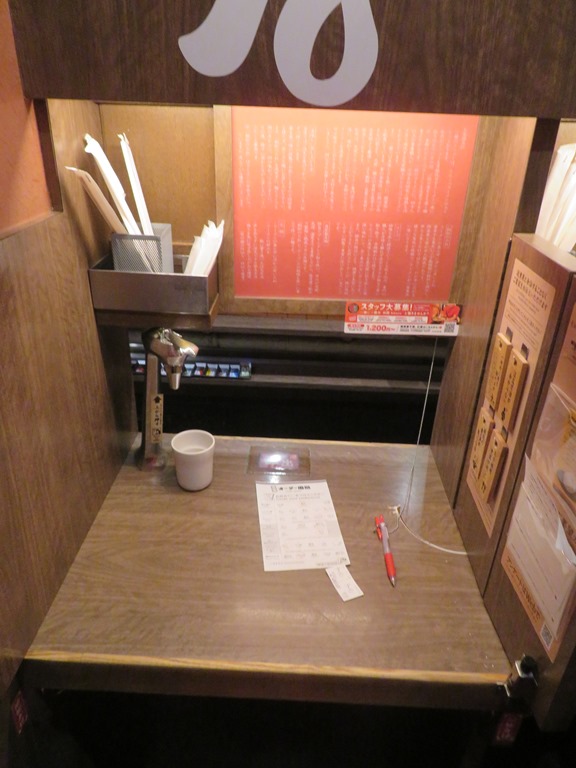
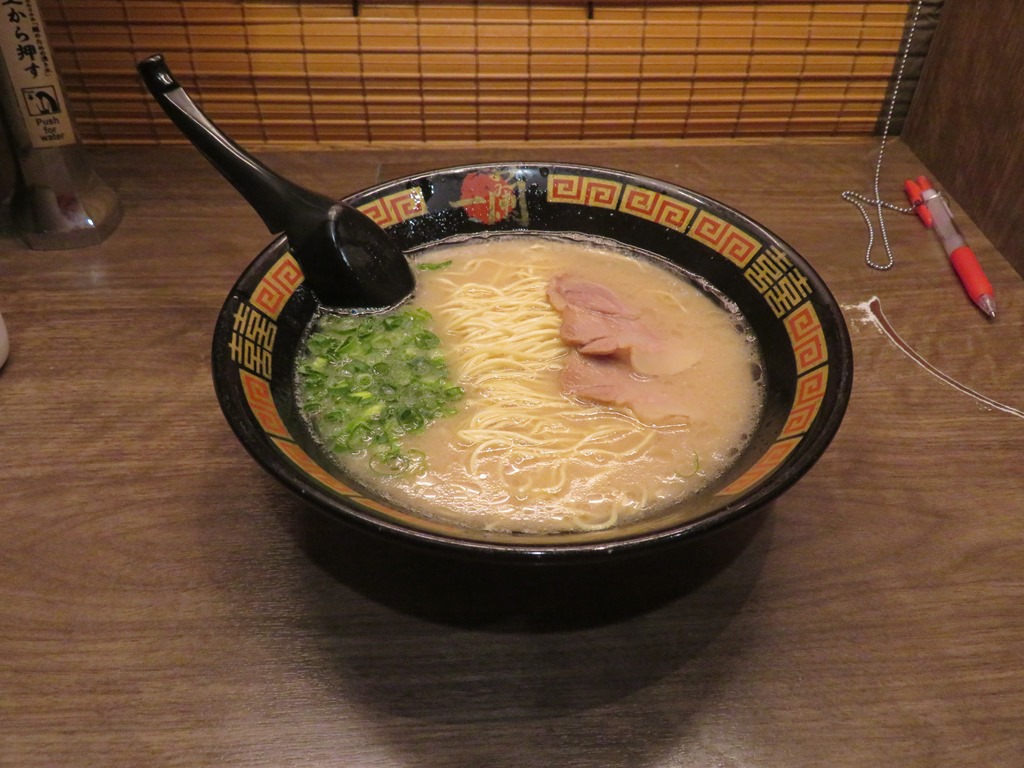
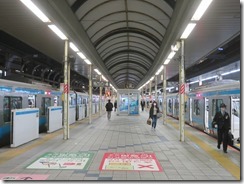
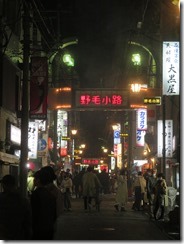
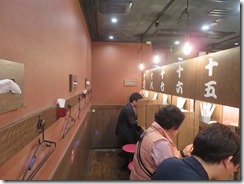
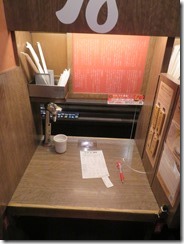
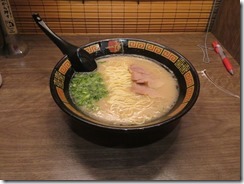
Back at Shin-Sugita Station, I browsed the shops for something for dinner, but decided to return to Sakuragicho Station and try there instead. After scanning the underground arcade for somewhere that wasn’t packed with salarymen drinking beer, I headed over the tracks to neighbouring Nogecho. Just as I was about to give up there and try finding a place closer to my hotel, I came across a branch of Ichiran Ramen. It’s a ramen chain where you eat in individual cubbies. Staff serve you through a window in the cubby, and then close a curtain to let you eat. You order from a vending machine, then you fill in a card for specific tastes like thickness of soup, firmness of noodles, amount of garlic and so forth. You can make further changes or additions by passing messages through the window, so you don’t ever need to speak at all. There was a bit of a queue, though they let me skip ahead because there was one empty seat, I was alone and the ones ahead of me were a group of three. Quite tasty. Might need to try it again sometime, but with more garlic.
Headed back to the hotel afterwards to blog. Tomorrow I’m checking out of this hotel and moving to a new place, and it’s a bit of an early start to maximise sightseeing time en route. Certainly not my earliest start for this trip, but early enough.
Today’s photo count: Seven hundred and twenty-four.
Today’s step count: 24,601 steps, for 17.8km. 41 flights of stairs. These step counts are getting absurd. If I keep this up, my legs are going to fall off by the end of the first week.
Today’s stamp count: One – found a “polar bear and crab” stamp at the aquarium.